 Anacortes Exterior
 Why West Anacortes Puts Extra Stress on Windows
Homes on the west side of Anacortes sit closer to open water than most of Skagit County, and that proximity changes how windows age. Salt-laden air corrodes hardware, fasteners, and weep systems faster than it would inland. Wind-driven rain off the water pushes moisture sideways into gaps that would stay dry in a calmer setting. And the long stretch of damp, low-light months that this part of Washington gets every year keeps sills, frames, and trim wet for weeks at a time, which is exactly the environment moss and mildew need to take hold.
None of this means West Anacortes homes need exotic solutions. It means the basics — flashing, sealing, drainage, and material choice — have to be done correctly, because there's less margin for a shortcut here than there would be in a drier, more sheltered neighborhood.
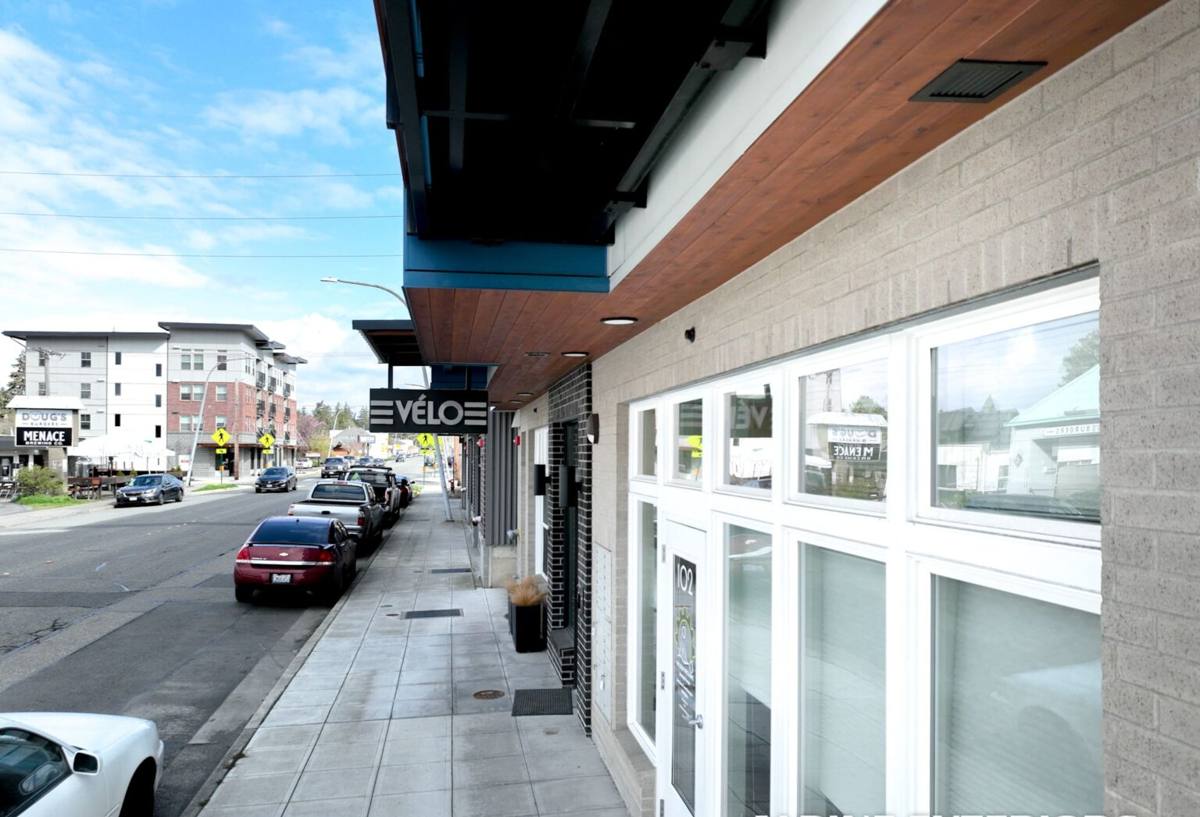
How Marine Exposure Actually Shows Up in Your Windows
Salt air and driving rain don't cause dramatic failures overnight. They show up as slow, cumulative wear that homeowners often chalk up to "the house just being old." Common signs we see on window replacement calls in this part of town include:
- Aluminum or steel hardware that's pitted, chalky, or hard to turn
- Fogging or a permanent haze between the panes of a double-pane unit — a sign the seal has failed
- Soft or discolored wood at the bottom corners of the sash or sill
- Green or black growth building up in the frame corners, especially on north- and west-facing walls
- Drafts or a noticeable temperature difference near the window even when it's fully closed
- Paint that blisters or peels faster on window trim than on the rest of the siding
Any one of these on its own might just mean a repair or a repaint. Several of them together on the same window, especially on the exposed side of the house, usually means the unit is past the point where repair makes sense.
What a Correct Replacement Actually Involves
A window replacement isn't just swapping the sash for a newer one. In a marine-exposed location, the parts most people never see — flashing, house wrap integration, and the sealant joint — matter more than the window itself. Skip those and even a good window will leak within a few years.
The Order of Operations We Follow
- Remove the old unit and inspect the rough opening for rot, soft framing, or existing water damage before anything new goes in
- Repair or rebuild any compromised framing — installing a new window into a wet or rotten opening just hides the problem
- Install flashing tape and a sloped sill pan so any water that gets past the window sheds outward, not into the wall cavity
- Set the new window level, plumb, and square, then fasten per the manufacturer's specification — not by feel
- Integrate the flashing with the existing house wrap or building paper in the correct shingle-lap order, so water always moves down and out
- Seal the exterior with a sealant rated for the siding and window material, and insulate the interior gap without overpacking it
- Finish trim and touch-up paint, then walk the opening with the homeowner before we call it done
That sill pan and flashing integration step is the one most likely to get rushed on a fast job, and it's the one that determines whether the window is still watertight in five years or leaking into the wall in two.
Full-Frame vs. Insert Replacement
Which approach makes sense depends on the condition of the existing frame, not just the age of the house.
| Factor | Insert (Pocket) Replacement | Full-Frame Replacement |
|---|---|---|
| Best when | Existing frame is sound, square, and dry | Frame shows rot, water damage, or is out of square |
| Disruption | Lower — interior and exterior trim usually stay intact | Higher — trim, and sometimes siding, is removed and reinstalled |
| Access to flashing | Limited — relies on the condition of existing flashing | Full access to re-flash and re-seal from scratch |
| Glass area | Slightly reduced due to new frame nesting inside the old one | Unchanged — full original opening is used |
| Best fit for marine exposure | Fine on protected walls with dry, solid frames | Usually the better call on west- and water-facing walls with any sign of past moisture |
On the exposed side of a West Anacortes home, we lean toward full-frame more often than we would on a sheltered inland property, simply because it's the only way to actually inspect and correct what's happening behind the old frame instead of building on top of it.
Material and Glass Choices That Hold Up Near the Water
There's no single "best" window brand for coastal exposure — there's a right combination of frame material, hardware, and glass package for the specific wall and its exposure to weather.
Frame Material
Vinyl and fiberglass frames are our standard recommendation for salt-air exposure because they don't corrode and require no repainting. Fiberglass holds up slightly better under repeated wet-dry cycling and has a lower expansion rate than vinyl, which matters over the life of a window that's exposed to both summer sun and winter driving rain. Wood-clad windows can still work well on more sheltered elevations, but we're honest with homeowners that the cladding seams need more attention in a marine environment, and we'll say so rather than oversell a product that needs more upkeep than the location can reasonably support.
Hardware and Fasteners
Standard steel hardware corrodes visibly within a few years this close to the water. We spec stainless steel or corrosion-resistant coated hardware for locks, hinges, and fasteners on any window install in West Anacortes, not just the ones facing the water directly — salt air travels.
Glass Packages
Dual-pane, low-E glass with an argon fill is the practical baseline for this climate — it cuts heat loss, reduces condensation risk on the interior pane, and helps manage the glare off open water on clear days. Homeowners on the most exposed walls sometimes ask about impact-rated or laminated glass; it's not required by code here, but it does add resistance to wind-driven debris during winter storms, which is a reasonable upgrade to consider on a west-facing elevation.
What Drives the Cost
Every quote is specific to the house, but the factors below are what typically move the number up or down. We'd rather walk you through this in person than throw out a number that doesn't hold up once we're actually at the opening.
| Factor | Why It Matters |
|---|---|
| Insert vs. full-frame | Full-frame costs more upfront but is often the right call where rot or past water intrusion is present |
| Frame material | Fiberglass generally costs more than vinyl; both outperform bare wood or metal in salt air over time |
| Number and size of openings | Larger units and multi-window jobs typically lower the per-window cost |
| Existing damage | Rotted framing or hidden water damage adds repair time before the new window can go in |
| Glass upgrades | Impact-rated or specialty glass adds cost but may be worth it on the most weather-exposed wall |
| Trim and siding work | Matching existing trim or siding profiles adds labor, especially on older homes |
Broadly, homeowners should expect window replacement in this region to run from a modest per-window cost for a straightforward vinyl insert up into a considerably higher range for full-frame fiberglass replacements with trim and siding repair included. The only way to get a real number is a walk-through of your specific openings.
Choosing a Contractor for a Marine-Exposed Home
Not every window installer treats a water-facing wall in Skagit County the way it needs to be treated. A few things worth confirming before you hire anyone for this kind of work:
- They inspect and address the rough opening, not just the window unit itself
- They can explain their flashing and sill pan approach without hesitating
- They spec corrosion-resistant hardware and fasteners as standard, not an upsell
- They're willing to recommend full-frame replacement when the frame condition calls for it, even though it costs more than an insert
- They stand behind both the product warranty and their own installation workmanship
- They've worked on homes in this specific area and can speak to what actually shows up on exposed walls here, not just general climate zone guidance
Why Local, West-Side Experience Matters
A window that performs perfectly on a sheltered lot a few miles inland can fail early on a wall that takes wind-driven rain off the water. We see the difference play out on real houses in this part of Anacortes — which elevations take the worst of the weather, where moss and moisture tend to concentrate, and which corners of a frame fail first. That's not something you get from a manufacturer's spec sheet; it comes from doing this work on Skagit County homes that face the same exposure yours does. It shapes how we flash an opening, which hardware we spec by default, and when we tell a homeowner that a full-frame replacement is worth the extra cost over an insert.
Get a Straight Answer on Your Windows
If you're seeing fogged glass, soft trim, or drafts on the west side of your home, it's worth having someone look at the actual openings before deciding what you need. We offer free, no-pressure estimates for window replacement in West Anacortes — use the form below to get a time on the calendar.