 Anacortes Exterior
 Cap Sante's Exterior Challenge: Water on Three Sides
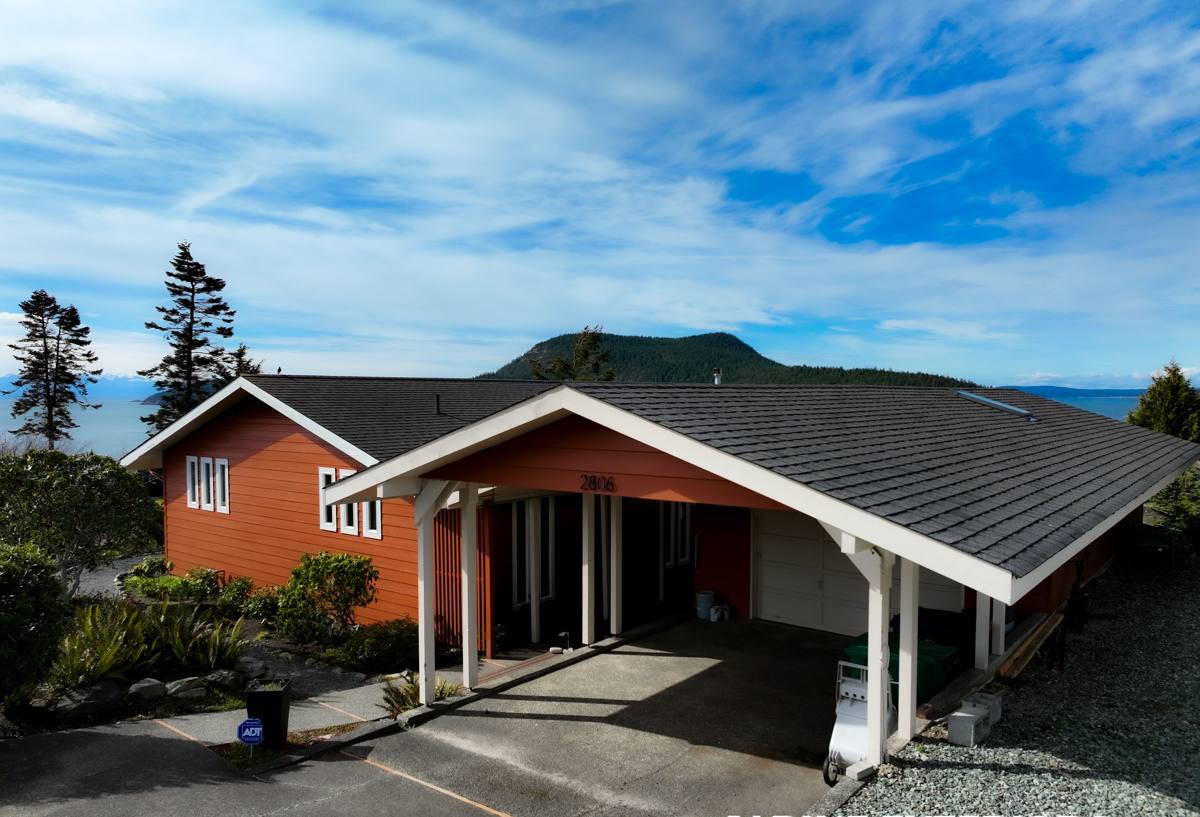
Cap Sante sits at the edge of the water, with the marina, the boat basin, and the open channel never more than a few minutes away. That proximity to salt water is a defining feature of the neighborhood — and it's also the reason homes here age differently than homes ten miles inland in Skagit County. Salt-laden air, near-constant humidity, and wind-driven rain off the water put a steady load on siding, roofing, windows, and any exterior wood on the property. None of it happens overnight. It shows up as chalky or pitted paint, rust bleed at fastener heads, soft trim, and roof lines that stay damp and mossy long after the rest of the yard has dried out.
We work on homes throughout Anacortes and Fidalgo Island, and the waterfront-adjacent neighborhoods like Cap Sante consistently show a faster rate of exterior wear than homes set back from the shoreline. That's not a knock on the area — it's just physics. Salt air is corrosive, moisture doesn't evaporate quickly under a marine layer, and the trees that give the neighborhood its shade also keep roofs and north-facing walls wet longer. Understanding that is the starting point for any exterior work we do here.
What Salt Air Actually Does to a House
Salt air isn't just "humid air." Airborne salt particles settle on every exterior surface and accelerate corrosion on anything metal — nail heads, flashing, hinges, hardware, and fastener systems. On siding, that shows up as rust streaking through paint or staining at every fastener point. On a roof, it means faster degradation of exposed metal flashing, valleys, and any exposed fastener that isn't properly rated for coastal exposure.
- Fasteners and flashing need to be corrosion-resistant, not just standard-grade — a detail that matters more here than it would a few miles inland
- Paint and factory finishes take a harder hit from salt exposure and UV reflecting off the water, so finish quality and adhesion matter more
- Anything porous — untreated wood trim, absorbent siding — takes on moisture faster and dries slower in a marine environment
- Metal railings, light fixtures, and hardware on decks and porches need a coastal-rated finish or they'll show rust within a season or two
This is one of the reasons we standardized on James Hardie fiber cement siding for every siding project we install, including in Cap Sante. Fiber cement doesn't rot, doesn't absorb water the way wood does, and Hardie's ColorPlus factory finish is baked on and warrantied against fading and peeling — a real advantage in a spot where the sun reflects off open water and salt is in the air year-round.
Driving Rain and Wind: The Other Half of the Equation
Cap Sante and the surrounding Anacortes waterfront catch wind straight off the water, and that wind drives rain sideways into walls, window frames, and eaves in a way that inland homes rarely deal with. Wind-driven rain finds gaps that ordinary rainfall never would — around window flanges, at siding laps, at trim joints, and anywhere flashing was cut short during a prior installation.
This is why installation detail matters as much as material choice. A quality siding product installed with poor flashing and caulking will still leak. We flash every window and door opening, lap siding courses correctly, and use housewrap and weather barriers suited to a high-exposure site — not because it's optional, but because a marine-exposed home in Skagit County doesn't forgive shortcuts the way a sheltered inland lot might.
Where Wind-Driven Rain Usually Gets In
- Window and door flashing that wasn't lapped correctly under the housewrap
- Siding butt joints and corners without proper caulking or trim detail
- Deck ledger boards where the deck attaches to the house
- Roof-to-wall transitions and dormers facing the prevailing wind
Moss, Shade, and Roof Longevity
The tree cover that makes Cap Sante such a pleasant place to live also means a lot of roofs and north-facing siding stay shaded and damp for extended stretches, especially through the long gray season. Moss and algae growth on a roof isn't just cosmetic — moss holds moisture against shingles, and over years that shortens the life of a roofing system and can work its way under shingle edges. On siding, persistent shade and moisture create ideal conditions for mildew staining, especially on lower-quality or poorly finished materials.
We look at tree cover, roof pitch, and sun exposure as part of any roofing or siding estimate in this neighborhood, because the right product and detailing on a shaded, moss-prone roof or wall is genuinely different from what we'd recommend on a sunny, open lot.
Siding: Why We Only Install James Hardie
When siding replacement comes up in Cap Sante, our recommendation is consistent: James Hardie fiber cement. It's the only siding brand we install, and in a marine environment like this one, the reasons matter more than usual.
| Factor | James Hardie Fiber Cement | Vinyl | Wood / Cedar |
|---|---|---|---|
| Moisture behavior | Doesn't absorb water, engineered for wet climates | Doesn't absorb, but seams and panels can warp with heat/cold cycling | Absorbs moisture, prone to rot without diligent upkeep |
| Salt air exposure | Non-combustible, stable under UV and salt exposure | Can fade, chalk, and become brittle over time | Finish breaks down faster near salt air, needs frequent recoating |
| Finish/color | ColorPlus factory finish, warrantied against peeling/fading | Color molded through, but fades and chalks with UV | Paint or stain, needs reapplication every few years |
| Long-term upkeep | Low — occasional wash, no recoating for the life of the finish | Low, but limited repair options if damaged or discolored | High — regular painting, caulking, and rot checks |
We don't install LP SmartSide, vinyl, Cemplank, Allura, or bare cedar — not because those products can't perform in the right setting, but because we've chosen to build our business around one system we can install, warranty, and stand behind consistently, and Hardie's HZ5 product line is engineered specifically for the kind of wet, marine-influenced climate Cap Sante sits in.
Roofing on the Waterfront
Roofing in Cap Sante has to account for moss growth, wind uplift off the water, and the corrosive effect of salt air on exposed metal. We pay close attention to flashing material and fastener corrosion resistance, valley and roof-to-wall details, and proper ventilation — a roof deck that can't breathe holds moisture longer and invites moss and rot from the underside, not just the surface.
Windows: Sealing Out the Marine Layer
Old or poorly flashed windows are one of the most common sources of hidden water damage we find in coastal Anacortes neighborhoods. In Cap Sante specifically, wind off the water pushes rain into any gap around a window frame, and salt air accelerates corrosion on aluminum-framed windows and hardware that isn't rated for it. When we replace windows here, proper flashing integration with the surrounding siding or wall assembly is just as important as the window unit itself — a great window installed without correct flashing will still leak.
Decks: Built for Water Exposure
A deck in Cap Sante is exposed to more than sun and rain — it's dealing with salt air, wind, and, depending on the lot, direct or reflected sun off the water. Ledger board attachment and flashing where the deck meets the house is one of the most common failure points we see on older decks in this area, along with fastener corrosion on hardware that wasn't rated for coastal exposure. Material choice, proper flashing at the house connection, and corrosion-resistant hardware all matter more here than on a sheltered inland lot.
A Quick Self-Check for Cap Sante Homeowners
- Rust streaking below any exposed nail heads or metal trim
- Moss or dark staining on north-facing roof slopes or siding
- Soft or discolored trim around windows and doors
- Caulking that's cracked, shrunk, or pulled away from siding joints
- Rust on deck hardware, railings, or ledger board fasteners
- Paint that's chalking, peeling, or fading unevenly on water-facing walls
If you're seeing more than one of these, it's worth having someone look at the whole exterior system rather than patching the symptom you can see.
Why a Local Crew Matters Here
A contractor who mostly works inland can miss the details that matter on the water — corrosion-rated fasteners, flashing sequencing built for wind-driven rain, and product choices that hold up under salt exposure rather than just looking good on install day. We work across Anacortes and Skagit County, and neighborhoods like Cap Sante are part of why we standardized on materials and installation practices built for marine exposure rather than a generic inland spec. That's the difference between an exterior that looks right for a season and one that holds up for decades.
If you're dealing with any of the issues above, or you're just due for a look at your siding, roof, windows, or deck, we're happy to come take a look. Reach out for a free, no-pressure estimate using the form below.