 Anacortes Exterior
 Asphalt Shingle Roofing Built for Edison's Coastal Climate
Edison sits in the lowlands of Skagit County, close enough to Samish Bay and the Salish Sea that homes here deal with a version of coastal weather that's different from roofs just a few miles inland. Salt-laden air off the water, long stretches of driving rain, and a moss season that can run most of the year all put steady pressure on a roof. Asphalt shingle roofing remains the most practical, cost-effective option for the majority of homes in this area, but only when it's specified and installed with this specific climate in mind. A shingle roof installed the same way you'd install one in a dry inland climate will not perform the same way in Edison.
This page focuses on one service, in one place: asphalt shingle roofing for homes in and around Edison. We're not going to give you a generic national rundown of shingle types. We're going to walk through what actually matters for a roof that has to survive salt air, wind-driven rain, and heavy moss pressure year after year.
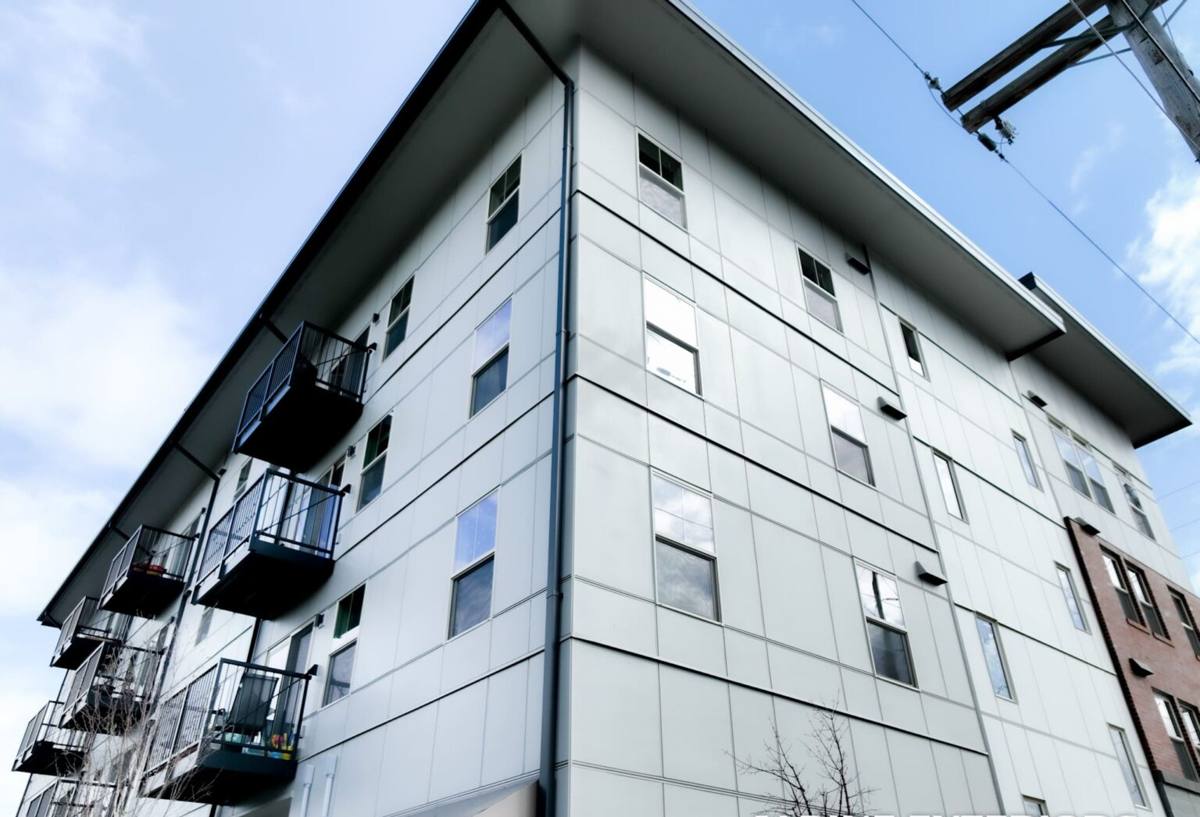
What Coastal Skagit County Weather Does to a Roof
Salt Air and Metal Fasteners
Proximity to saltwater accelerates corrosion on any exposed metal component of a roofing system — nail heads, flashing, vent stacks, and drip edge. Standard galvanized fasteners can start showing rust streaks and weakening well before an inland roof of the same age would. That's a maintenance and longevity issue, not just a cosmetic one, because corroded fasteners lose holding power over time.
Driving Rain, Not Just Rainfall Totals
What matters more than total annual rainfall is wind-driven rain — storms that push water sideways under shingle tabs, around flashing laps, and into any gap in the underlayment. A roof here needs to shed water that's arriving at an angle, not just water falling straight down.
Moss and Prolonged Dampness
Shade from surrounding trees, cool damp air, and mild temperatures create ideal conditions for moss growth on north-facing and shaded roof slopes. Moss isn't just unsightly — it holds moisture against the shingle surface, works its way under tabs and around granules, and can lift shingle edges over time, giving wind and rain an entry point.
What a Correct Shingle Roof Install Looks Like Here
A shingle roof is a system, not a single product. Every layer has a job, and skipping or shortcutting any one of them is where roofs in this climate fail early.
- Underlayment: A synthetic or self-adhered underlayment rated for high-moisture climates, with extra attention to overlap and fastening pattern so wind-driven rain can't find a path underneath.
- Ice and water shield at vulnerable points: Eaves, valleys, and any low-slope transitions get a self-adhering membrane, not just felt, because these are the areas where water backs up and sits longest.
- Corrosion-resistant fasteners: We specify nails and flashing rated to hold up to salt exposure rather than standard-grade galvanized material that will show its age faster this close to the water.
- Proper nailing pattern and depth: Overdriven or underdriven nails are one of the most common causes of early shingle failure — this is a workmanship detail, not a material one.
- Ventilation that actually balances intake and exhaust: A roof deck that can't breathe traps moisture, which shortens shingle life from underneath and encourages mold and rot in the sheathing.
- Flashing detail at every penetration and transition: Chimneys, skylights, wall-to-roof transitions, and valleys are where the vast majority of roof leaks actually start — not in the open field of shingles.
Shingle Grade and Wind Rating Comparison
Not all asphalt shingles are built the same, and in a wind-and-rain climate like Edison's, the difference matters more than it would in a milder location. Here's how the common tiers compare for this specific use case.
| Shingle Tier | Typical Wind Rating | Best Fit for Edison-Area Homes |
|---|---|---|
| 3-Tab (economy) | Lower wind rating, lighter weight | Budget-driven projects on well-sheltered roofs; not our first recommendation on exposed or waterfront-adjacent lots |
| Architectural / Laminate | Higher wind rating, heavier, multi-layer construction | Our standard recommendation for most Edison homes — better wind performance and a longer real-world service life in wet climates |
| Premium / Designer Architectural | Highest wind rating in the asphalt category | Homes with high wind exposure, steep or complex rooflines, or owners who want the longest warranty tier available in asphalt |
We'll talk through where your home falls on this table during the estimate — roof exposure, tree cover, slope, and how long you plan to stay in the home all factor into which tier makes sense.
Our Process, Start to Finish
1. On-Site Assessment
We walk the roof (or inspect from ground level and access points when a walk isn't safe or appropriate) and check the decking, existing ventilation, flashing condition, and any signs of moss damage or trapped moisture. We're honest about what we find — including when a roof has more life left in it than a homeowner might expect.
2. Straightforward Written Estimate
You get a clear scope of work and price before anything starts. No surprise change orders for work that should have been scoped up front.
3. Tear-Off and Deck Inspection
Full tear-off lets us actually see the decking underneath, which is the only reliable way to catch rot or soft spots before they become the underlayment's problem. Patch jobs over questionable decking are how good shingles fail early.
4. System Installation
Underlayment, ice and water shield, flashing, and shingles go on in the sequence and pattern the manufacturer specifies — this is what keeps a manufacturer's warranty valid, not just what looks right from the ground.
5. Cleanup and Final Walkthrough
Magnetic sweep for stray nails, full site cleanup, and a walkthrough so you know what was done and what to watch for going forward.
Moss Prevention and Ongoing Roof Health
A well-installed roof still needs a small amount of ongoing attention in this climate. Moss and organic debris are the biggest recurring issue we see on Edison-area shingle roofs, and most of it is manageable if it's addressed early rather than left to spread.
- Keep gutters clear of needles and leaf debris so water isn't sitting against the eaves
- Trim back overhanging branches to reduce shade and let the roof dry out between rain events
- Have moss growth removed gently — pressure washing shingles can strip granules and shorten shingle life, so this should be done with the right technique, not a power washer
- Watch for granule buildup in gutters and downspouts, which signals a shingle surface that's starting to wear
- Schedule a periodic visual check after major windstorms, since driving rain and wind are what expose gaps in flashing or lifted shingle tabs
Why a Crew That Already Works Edison Matters
Roofing crews that mainly work drier, inland, or more sheltered areas don't always default to the details that matter here — the corrosion-resistant fasteners, the extra ice-and-water coverage, the flashing details that keep wind-driven rain out. It's not that they don't know how; it's that those choices aren't habit for them, and habit is what protects a roof when a crew is moving fast.
We work in Anacortes and the surrounding Skagit County communities, including Edison, regularly enough that specifying for salt air, driving rain, and moss pressure isn't an afterthought — it's just how we build a roof here. That local familiarity also means we're not guessing at how a particular roofline or exposure typically holds up in this specific stretch of coastline; we've seen it.
What Affects Your Project Cost
We don't publish fixed prices because every roof is different, but the main cost drivers on an Edison-area shingle roof are consistent:
| Factor | Why It Matters |
|---|---|
| Roof size and number of layers to remove | More tear-off labor and disposal, especially on older homes with multiple existing layers |
| Roof complexity (valleys, dormers, penetrations) | More flashing detail work, which is labor-intensive but critical to leak prevention |
| Decking condition | Rot or soft spots found during tear-off require repair before shingles can go on correctly |
| Shingle tier selected | Architectural and premium shingles cost more upfront but generally outperform economy shingles in this climate |
| Ventilation upgrades needed | Older homes sometimes need added intake or exhaust venting to meet current performance and warranty standards |
We'll walk through each of these specific to your home during the estimate, so you know exactly what you're paying for and why.
Get an Honest Look at Your Roof
If you're in Edison or anywhere else in the Anacortes area and wondering whether your roof needs a repair, a partial re-cover, or a full replacement, we're happy to take a look and give you a straight answer — including if the honest answer is "not yet." Reach out for a free, no-pressure estimate using the form below.