 Anacortes Exterior
 Why Similk Beach Windows Wear Out Differently
Similk Beach sits close enough to the water that homes here take a different kind of weathering than houses further inland in Skagit County. Salt-laden air moves through window hardware and frame seams year-round, driving rain off the Sound finds every gap in a tired seal, and the long, damp moss season keeps north- and shade-facing walls wet for weeks at a stretch. None of that is dramatic on its own, but it's constant, and constant is what breaks windows down. A window that would coast for 20 years in a dry inland climate can show real trouble in half that time out here if it wasn't built or installed with this exposure in mind.
We work on homes throughout Anacortes and Skagit County, and Similk Beach jobs get treated as their own category — not because the windows themselves are exotic, but because the install details that matter most (flashing, sealant choice, hardware finish) have to account for a coastal, high-moisture setting from day one.
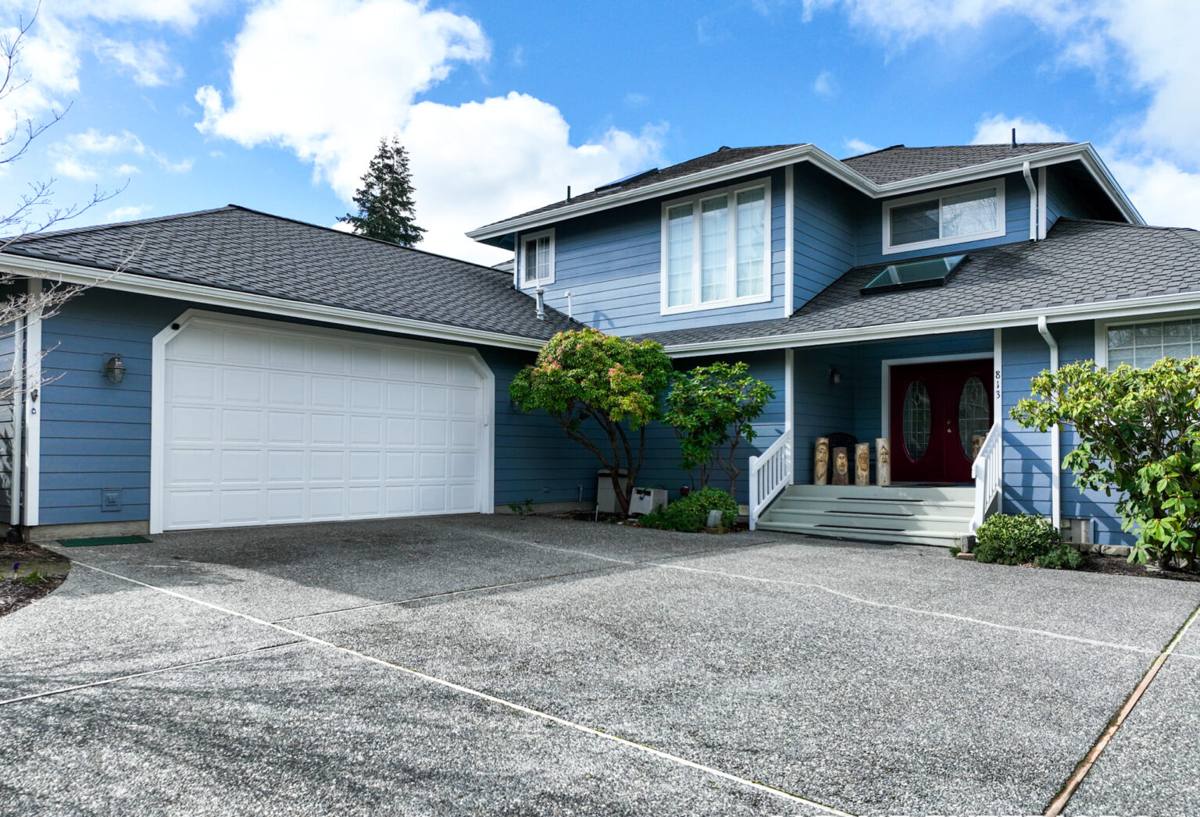
What Salt Air and Moisture Actually Do to a Window
It helps to know what you're up against before you decide what to replace and how.
Corrosion at the Hardware
Locks, hinges, and balance mechanisms are usually the first casualty. Standard-grade hardware finishes can pit and stiffen faster near salt water, which is why cranks start binding or locks stop lining up years before the glass or frame show any problem.
Seal and Glass Unit Failure
Every dual-pane window has a sealed edge holding the gas fill in and moisture out. Constant damp-dry cycling stresses that seal. Once it fails, you'll see fogging or a hazy film between the panes — that's not cleanable, and it means the insulated glass unit is done.
Frame and Sill Degradation
Wood and wood-composite sills that stay damp through moss season are prone to soft spots and rot at the corners. Vinyl and fiberglass don't rot, but cheaper vinyl can still warp or discolor under sustained UV and salt exposure, and poor-quality welds at the corners can open up over time.
Signs a Similk Beach Home's Windows Need Attention
Most window failure is gradual, so it's worth checking for these before a small problem becomes a bigger repair.
- Fogging, haze, or visible moisture between the panes of glass
- Windows that are hard to open, close, or lock — especially after rain
- Visible corrosion or chalky buildup on hinges, cranks, or locks
- Soft, discolored, or spongy wood at the sill or lower frame corners
- Drafts or a noticeable temperature difference near the window when it's shut
- Condensation forming on the inside of the glass regularly, not just on cold mornings
- Visible daylight or gaps at the frame where it meets the siding or trim
- A musty smell or soft drywall near the window that suggests water is getting past the seal
Any one of these on its own might just need a repair. Several together, especially on a home that's been sitting near the water for a couple of decades, usually means it's time to talk replacement.
What a Correct Window Replacement Actually Involves
Window replacement done right is mostly about what happens before and after the new window goes in — not the window itself.
Removal and Opening Inspection
Once the old window comes out, we inspect the rough opening for rot, soft framing, or water staining that was hidden behind the old unit. This is the point where hidden moisture damage from years of coastal exposure usually shows up, and it needs to be dealt with before anything new goes in — covering over a wet or damaged opening just locks the problem inside the wall.
Flashing and Weatherproofing
This is the step that matters most for a home exposed to driving rain off the water. Proper flashing tape and a correctly lapped weather-resistive barrier direct water down and out, away from the framing, instead of letting it wick inward. A window can be top-shelf and still fail early if the flashing underneath it was rushed or skipped.
Sealant and Hardware Choices
We use sealants and fasteners rated for exterior, coastal-adjacent use, and we pay attention to hardware finish on the window itself. It costs a little more up front to spec corrosion-resistant hardware, but it's a lot cheaper than replacing a lock mechanism in eight years.
Final Fit and Insulation
The gap between the new window frame and the rough opening gets insulated and sealed — not overpacked, not left loose. Too much foam can bow a frame out of square; too little leaves an air and moisture path straight into the wall cavity.
Choosing Frame Materials for a Marine Climate
There's no single "best" window material — each has trade-offs, and the right call depends on the specific wall, exposure, and budget.
| Frame Material | How It Handles Salt Air & Moisture | Maintenance | Typical Trade-Off |
|---|---|---|---|
| Vinyl | Won't rot or corrode; good baseline performance near water | Low — occasional cleaning | Lower cost, but quality varies a lot between manufacturers |
| Fiberglass | Very stable, resists warping and expansion/contraction from damp-dry cycling | Low | Higher upfront cost than vinyl |
| Wood-clad | Exterior cladding protects the wood, but any breach in the cladding exposes wood to rot risk | Moderate — cladding needs to be inspected periodically | Best interior look, but more moisture-sensitive if damaged |
| Aluminum | Durable but prone to corrosion pitting in salt air unless properly coated | Moderate | Best for large commercial-style openings, less common in residential retrofits here |
For most Similk Beach homes, we steer people toward vinyl or fiberglass because they hold up without demanding much upkeep in a damp, salty environment. Wood-clad is still a legitimate choice for homeowners who want that look, but we're honest that it asks more of the homeowner in terms of inspection and upkeep over the years — that's a maintenance conversation, not a knock on the product.
Glass Package Basics
Beyond the frame, the glass package matters for both comfort and moisture control:
- Dual-pane (double-glazed): the standard for this climate — a sealed gas-filled gap between two panes for insulation
- Low-E coatings: a microscopically thin coating that reduces heat transfer without noticeably changing how clear the glass looks
- Argon or krypton fill: gas fill between the panes that improves insulation over plain air
- Warm-edge spacers: reduce condensation risk at the edge of the glass, which matters in a consistently damp climate
Our Process, Start to Finish
1. On-Site Assessment
We look at your existing windows, the condition of the openings, and how exposed each wall is to wind-driven rain and salt air. Not every window on a home needs the same treatment — a wall facing the water usually needs more attention to flashing and hardware than a sheltered side.
2. Measuring and Ordering
Replacement windows are measured to the actual opening, not a catalog size. We walk you through frame material and glass package options based on that specific wall's exposure and your budget, not a one-size answer.
3. Install Day
Old windows come out, openings get inspected and repaired if needed, new units go in with proper flashing and insulation, and everything is sealed to shed water outward. We keep the work area protected and cleaned up as we go.
4. Walkthrough and Cleanup
We test every window — open, close, lock — and walk the job with you before we call it done. Debris and packaging leave with us.
What Window Replacement Typically Costs
Pricing depends on the window count, size, frame material, glass package, and how much opening repair is needed once the old windows come out. These are broad ranges to help you plan, not a quote:
| Cost Factor | How It Moves the Price |
|---|---|
| Frame material | Vinyl is generally the most affordable; fiberglass and wood-clad run higher |
| Window size and count | Larger openings and whole-home replacements have more material and labor cost, but often better per-window pricing than one-offs |
| Glass package | Low-E coatings and gas fills add modest cost for meaningfully better performance |
| Opening condition | Rot or framing repair discovered during removal adds labor and material beyond the window itself |
| Access and site conditions | Second-story or hard-to-reach windows can add labor time |
We give firm numbers after we've actually looked at your windows and openings — not before, since coastal homes here have enough variation in hidden condition that a phone-quote isn't honest.
Why a Crew That Already Works Similk Beach Matters
A window installer who mostly works dry, inland neighborhoods can put in a technically fine window and still miss the details that matter here — the flashing lap that handles wind-driven rain, the hardware finish that won't seize up in a couple of years, the sill detail that keeps moss-season damp from sitting against the frame. Working this stretch of Skagit County regularly means we're used to opening up a wall near the water and knowing what condition to expect, and specifying materials that are actually suited to the exposure rather than just what's cheapest to stock.
It also means straight answers about what your home actually needs. Not every window on a Similk Beach house needs the top-tier package — a sheltered, south-facing window and a wall taking the brunt of the weather off the Sound can reasonably get different treatment. We'll tell you where to spend and where you can save.
Ready for a Straight Answer on Your Windows?
If your windows are fogging, sticking, or just feel like they're not doing their job anymore, we're glad to take a look and give you a clear, no-pressure estimate — no upsell, just what your home actually needs given where it sits and how it's built. Fill out the form below and we'll get in touch to schedule a visit.