 Anacortes Exterior
 Why Ship Harbor Siding Has to Work Harder
Ship Harbor sits close enough to the water that homes here deal with a different mix of weather than siding contractors see further inland in Skagit County. Salt-laden air drifts in off the water and settles on every exterior surface, driving rain comes in sideways during winter storms, and the shaded, damp stretches of the year give moss and algae plenty of time to take hold on north-facing walls and anything tucked under tree cover. Siding in this neighborhood isn't just a cosmetic choice — it's the first line of defense against a climate that never really lets a house dry out completely for months at a time.
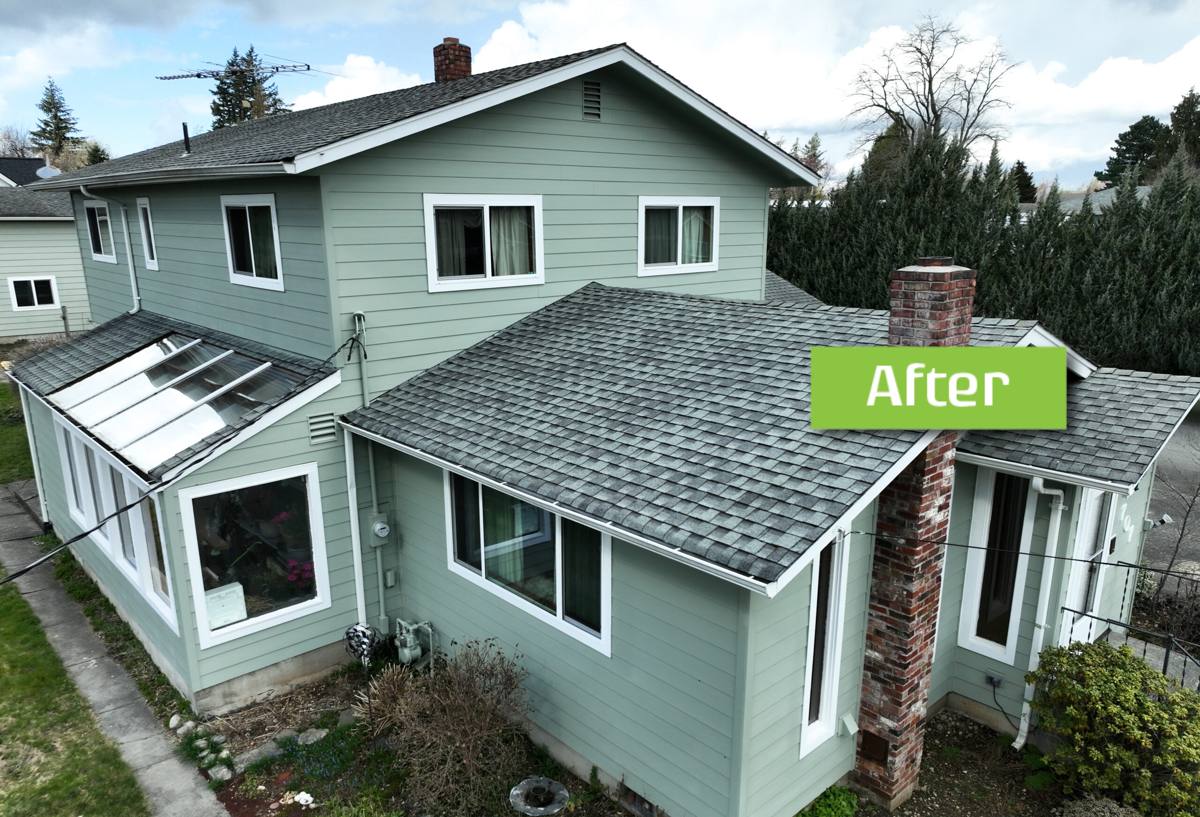
We install James Hardie fiber cement siding exclusively, and neighborhoods like Ship Harbor are a big part of why. A siding product that looks fine on a spec sheet can still fail early when it's exposed to this specific combination of salt, moisture, and shade day after day. This page walks through what that means for a Ship Harbor home specifically, what a correct Hardie installation looks like here, and how our process is built around this exact environment.
What Salt Air and Marine Moisture Do to Siding
Salt Exposure
Airborne salt is corrosive to more than metal. It settles into porous or poorly sealed siding surfaces, holds moisture against the wall longer than it would otherwise sit, and accelerates the breakdown of paint films and caulk joints. Homes closer to the water take the brunt of this; even a few blocks inland, salt-carrying wind during winter storms can reach exterior walls that face open water or a clear wind corridor.
Driving Rain
Anacortes gets plenty of rain that falls straight down and causes no trouble at all. The rain that damages siding is the wind-driven kind that hits walls at an angle, works its way behind poorly lapped panels, and finds any gap around trim, windows, or penetrations. Ship Harbor's exposure to marine weather systems means driving rain is a regular event, not an occasional one — which makes lap coverage, flashing, and joint sealing details that can't be treated as optional.
Moss and Algae Season
Shaded walls, damp air, and a long stretch of the year without much direct sun add up to an extended moss and algae season in this part of the county. Any siding surface that stays damp and shaded for weeks at a time is a candidate for green and black staining, and once organic growth gets a foothold on a porous or damaged surface, it's difficult to fully remove without damaging the material underneath.
Why We Standardized on James Hardie for This Climate
James Hardie fiber cement is manufactured from cement, sand, and cellulose fiber — a composition that doesn't rot, doesn't feed mold or moss the way wood-based products can, and holds up to repeated wet-dry cycling far better than wood or wood-composite alternatives. It's non-combustible, which matters given the wildfire smoke and occasional dry-season fire risk the broader Pacific Northwest has seen in recent years, and it's engineered specifically for the demands of different climate zones through Hardie's HZ product lines.
For a marine-influenced neighborhood like Ship Harbor, the HZ5 product line — engineered for wetter, harsher climates — combined with a factory-applied ColorPlus finish gives us a siding system that resists moisture intrusion at the material level and resists fading and finish breakdown at the surface level. That factory finish matters more here than it might in a drier inland town: it's baked on under controlled conditions, which gives it better adhesion and weathering performance than a field-applied paint job going onto a house exposed to salt air within weeks of installation.
We don't install LP SmartSide, vinyl, Cemplank, Allura, primed spruce, or cedar. Each of those products has legitimate strengths, but none of them combine non-combustible fiber cement construction with a factory-cured finish and a climate-specific engineered line the way James Hardie does — and in an environment like Ship Harbor, that combination is what keeps a paint job and a wall assembly performing for decades instead of years.
What Correct Installation Looks Like Here
Product selection is only half the equation. The other half is installation, and in a marine environment, installation mistakes show up faster and cost more to ignore.
- Proper lap and fastening: Hardie panels and lap siding have to be installed to the manufacturer's specified exposure, fastener pattern, and clearance — shortcuts here are exactly where driving rain finds its way in.
- Rain screen or drainage plane: A ventilated gap or approved weather-resistive barrier behind the siding lets any moisture that does get past the surface drain and dry out instead of sitting against the sheathing.
- Flashing at every penetration: Windows, doors, hose bibs, vents, and any other wall penetration need correctly lapped flashing — this is one of the most common failure points on homes near the water, where wind-driven rain actively seeks out these gaps.
- Ground clearance: Hardie siding needs proper clearance from grade, decks, and roof lines to avoid sustained moisture contact, which is doubly important where landscaping and shade keep the ground damp longer.
- Correct caulking and sealant choice: Joints and trim intersections need sealants rated for the movement and moisture exposure the wall will actually see, not just whatever seals the gap on installation day.
- Factory-cut edges sealed per spec: Any field-cut panel edge needs to be treated according to Hardie's guidelines to preserve the product's moisture resistance at that cut.
Skip any one of these steps and you can end up with a house wearing James Hardie siding that still fails early — not because the product was wrong, but because the installation wasn't.
Reading the Signs of a Ship Harbor Home That Needs New Siding
Homes in this neighborhood tend to show trouble in a few consistent spots: north and west-facing walls with persistent moss or dark staining, corners and trim where caulking has cracked or pulled away, siding near ground level that stays damp longer than the rest of the wall, and paint that's chalking, peeling, or fading unevenly depending on sun and wind exposure. If a wall assembly has been taking on moisture for a while, you may also notice soft spots, visible warping, or siding that no longer sits flat against the wall. Any of these are worth a closer look before they turn into sheathing or framing damage.
Our Process for Ship Harbor Projects
1. On-Site Assessment
We walk the exterior, check for existing moisture damage, moss buildup, and problem areas around windows, trim, and grade level, and talk through what the house is actually dealing with rather than assuming a one-size-fits-all approach.
2. Product and Line Selection
We recommend the Hardie product line and ColorPlus finish that fits the home's exposure — a wall that takes the brunt of wind off the water gets treated differently than a more sheltered elevation on the same house.
3. Removal and Sheathing Check
Old siding comes off and we inspect the sheathing and framing underneath for any moisture damage before anything new goes up. This is the point where hidden problems get caught, not covered over.
4. Drainage Plane and Flashing
We install or verify the weather-resistive barrier, drainage plane, and flashing details at every penetration before a single piece of siding goes on.
5. Installation to Manufacturer Spec
Panels and lap siding go up following James Hardie's fastening, exposure, and clearance requirements, with attention to the joints and terminations that matter most in a marine climate.
6. Final Sealing and Walkthrough
We finish caulking, trim work, and touch-up, then walk the property with the homeowner to confirm the work before calling the job done.
Why Local Experience in Ship Harbor Matters
A crew that mainly works dry, inland jobs can still install James Hardie siding correctly on paper and still miss the details that matter most near the water — how much clearance a wall really needs given local wind patterns, which elevations need the more weather-resistant product line, or where moss is likely to come back if drainage isn't addressed. Working this area regularly means we've seen where Ship Harbor homes tend to take damage first, and we build the installation around that, not around a generic checklist.
Cost Factors for a Ship Harbor Siding Project
| Factor | Why It Matters Here |
|---|---|
| Home size and elevation count | More wall area and more complex rooflines mean more flashing and trim detail work, especially on multi-story homes facing open water |
| Existing damage | Sheathing or framing repairs found during tear-off add cost but are far cheaper to fix now than after new siding goes up over them |
| Product line (HZ5 vs. standard) | Wetter, wind-exposed elevations may call for the more moisture-resistant HZ5 line, which affects material cost |
| ColorPlus finish selection | Factory-applied finishes vary in cost by color and sheen but save on future repainting |
| Trim and detail complexity | Homes with more windows, corners, and architectural detail require more flashing and cutting labor |
| Access and site conditions | Waterfront lots, slopes, and limited access can affect scaffolding and staging needs |
Get a Straight Answer for Your Home
Every home in Ship Harbor takes on this climate a little differently depending on its orientation, shade cover, and how it was built the first time around. If you're seeing moss, staining, cracked caulking, or siding that just isn't holding up the way it should, we're happy to take a look, walk you through what we're seeing, and give you a straightforward estimate — no pressure, no sales script. Reach out through the form below to get started.