 Anacortes Exterior
 Why Sedro-Woolley Homes Put Windows to the Test
Sedro-Woolley sits in the Skagit River valley, tucked between the foothills and the tidal flats near Anacortes, and that location shapes what a window has to survive here. Winters bring long stretches of driving rain that comes in sideways more often than straight down, and the surrounding tree cover and river humidity keep moisture sitting on north-facing walls for days at a time. Add in the salt-tinged marine air that moves inland from the Anacortes side of the county on windy days, and you've got a combination that's hard on frames, seals, and hardware in ways that drier inland climates never see.
None of that is a reason to panic about your windows. It's a reason to be specific about materials, sealing details, and installation practices instead of treating a window job like a one-size-fits-all product swap. A window that performs fine in Spokane or eastern Washington can fail early here — not because it's a bad window, but because it was never built or installed for this kind of weather exposure.
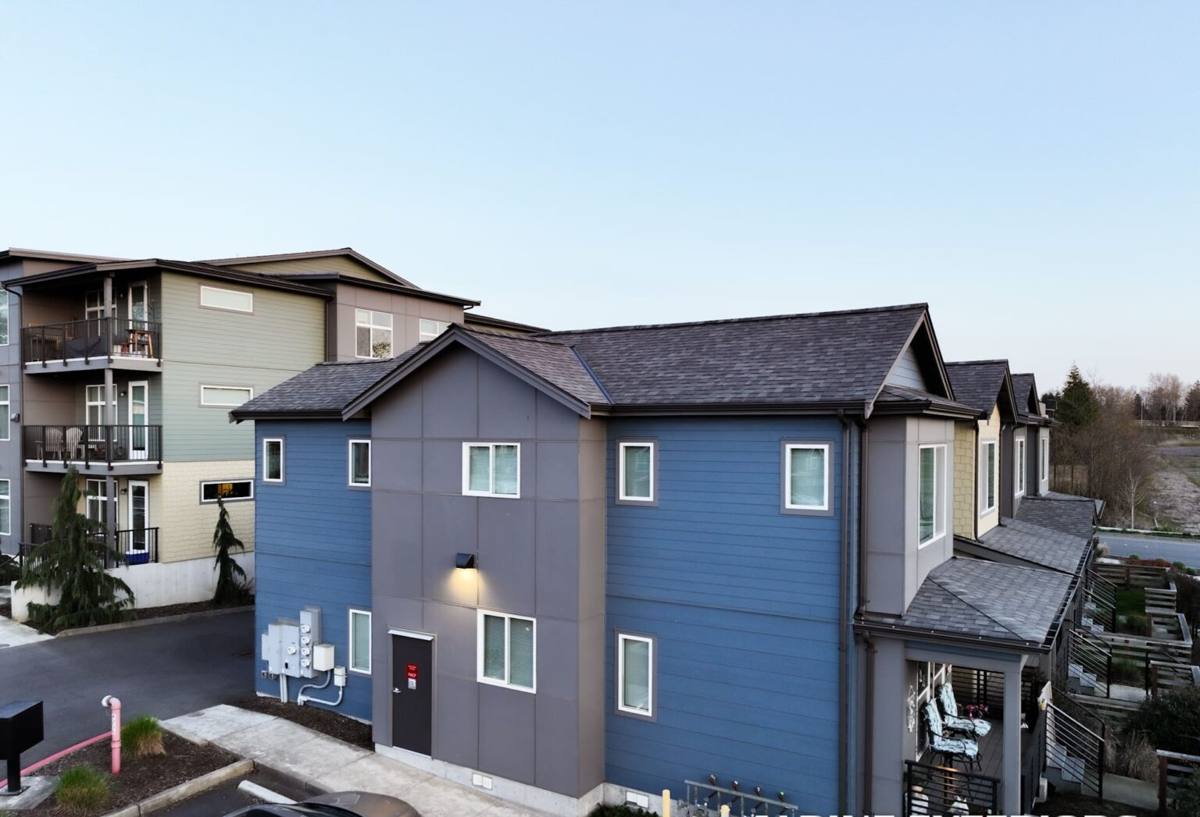
What "Custom" Actually Means for Your Home
Custom doesn't mean expensive or exotic. It means the window is built to your home's actual openings, your home's actual orientation to wind and rain, and your actual goals — whether that's cutting heat loss, stopping condensation on the glass, quieting road noise, or just replacing frames that have finally given out. For older Sedro-Woolley homes especially, openings are rarely perfectly square after decades of settling, so an accurate custom order matters more than picking a size off a shelf.
Common reasons homeowners call us
- Wood or vinyl frames that have gone soft, swollen, or discolored near the sill
- Persistent condensation or fogging between panes (a sign the seal has failed)
- Drafts you can feel standing next to the window on a windy day
- Windows that are painted or nailed shut and no longer function as escape routes
- A remodel or addition where the existing window style no longer matches the home
Choosing the Right Frame Material for This Climate
Frame material is the single biggest factor in how a window holds up to Skagit County weather over time. We install a range of materials and are upfront about the trade-offs of each rather than pushing one option for every home.
| Material | Moisture Resistance | Maintenance | Best Fit |
|---|---|---|---|
| Vinyl | Excellent — won't rot or corrode | Low; occasional cleaning | Most Sedro-Woolley homes, especially budget-conscious full-house replacements |
| Fiberglass | Excellent, very stable in temperature swings | Low | Homes wanting a slimmer profile or higher-end feel without wood upkeep |
| Wood-clad | Good if the exterior cladding and flashing are installed correctly | Moderate to high — interior wood still needs care | Historic-style homes where interior wood trim matters aesthetically |
| Aluminum | Poor in our climate without thermal breaks — prone to condensation | Moderate | Rarely our first recommendation for residential work here |
Solid wood frames with no cladding are the one product we steer clients away from for most Sedro-Woolley installs. It's not that wood is a bad material — it's that unclad wood exposed to this much annual rainfall requires a repainting and resealing schedule most homeowners underestimate, and a single missed year of maintenance can let moisture into the frame. If you love the look of wood, a wood-interior/clad-exterior window gets you that appearance with far less long-term risk.
Glass Packages That Actually Make a Difference Here
Glass is where a lot of the real performance gains happen, and it's also where the biggest price range sits. For our climate, the details that matter most are:
Pane count and gas fill
Double-pane glass with an argon fill is the practical baseline for this region and handles our temperature swings well. Triple-pane adds meaningful sound dampening and a warmer interior glass surface — useful if you're near a busier road or dealing with a consistently cold room — but it adds weight and cost, so it's worth targeting on specific rooms rather than a whole-house default in most cases.
Low-E coatings
Low-emissivity coatings reduce heat loss in winter and block some solar heat gain in summer. Given how much of the year is overcast here, we typically recommend a coating tuned to retain winter warmth rather than one optimized purely for sun-blocking, unless a room gets unusually strong afternoon sun.
Condensation resistance
This is the spec homeowners overlook most, and it's often the one that matters most in a humid valley climate. A window with a poor condensation resistance rating will fog and sweat on cold mornings even when it's technically not "leaking" — that moisture sitting on the interior sill over years is what eventually damages surrounding trim and drywall.
What a Correct Installation Actually Involves
The window unit itself is maybe half the job. The other half — flashing, sealing, and integration with your existing siding and weather barrier — is what determines whether water stays out for the next twenty years or finds its way in behind the wall within five. This is the step that gets rushed on low-bid jobs, and it's invisible once the trim goes back on, which is exactly why it matters to hire a crew that won't cut corners there.
What we check on every window replacement
- Sill pan installed to direct any incidental water back outside, not into the wall cavity
- Proper flashing sequence integrated with the existing house wrap or building paper, shingle-style so water sheds downward and outward
- Backer rod and compatible sealant at all exterior joints — not just a bead of caulk over a gap
- Square, level, and plumb setting so the sash operates smoothly and seals evenly for the life of the window
- Interior air sealing with low-expansion foam or backer rod, separate from the exterior weather seal
- Verification the unit's drainage weep holes are clear and functional before trim goes back on
Skipping any one of these doesn't usually cause an immediate problem. It causes a slow one — moisture intrusion that shows up as soft trim, interior staining, or mold behind the wall two or three winters later, well after the crew that installed it is gone.
Our Process, Start to Finish
1. On-site assessment
We look at your current windows, note how each opening is performing (drafts, condensation, operability issues), and talk through what you actually want out of the replacement — energy savings, noise reduction, appearance, or just reliability.
2. Honest options, not a hard sell
We'll walk you through frame and glass options that fit your home and budget, with the real trade-offs of each explained plainly. If a cheaper option is genuinely fine for your situation, we'll tell you that.
3. Precise measurement and custom ordering
Every opening gets measured individually — older homes especially can have openings that are close but not identical from room to room.
4. Installation with weather in mind
We schedule and sequence installs to minimize how long any opening sits without weather protection, which matters given how quickly rain can move in here.
5. Final walkthrough
Every window gets operated and checked before we consider the job done, and we'll show you what to look for if anything ever needs attention down the road.
Why Local Experience in Sedro-Woolley Actually Matters
A crew that regularly works Skagit County homes has already seen how the valley's rain patterns, moss growth, and humidity interact with different siding and window combinations. That matters for practical reasons: knowing which older Sedro-Woolley home styles tend to have non-standard rough openings, understanding how local permitting works for window replacements, and being realistic about the weather windows available for exterior work through the wetter months. It also means we're not learning on your house — we've already worked through the common issues specific to this area on other local projects.
It also means accountability. A contractor based in and around Anacortes and Skagit County has a reason to stand behind the work — we're not driving in from out of the area for a single job and disappearing if a question comes up later.
Maintaining Your Windows After Installation
Even the best-installed window benefits from basic upkeep in this climate:
- Clear debris and moss from tracks and sills, especially on shaded, north-facing windows
- Check exterior caulking annually and touch up any cracked or separated sections
- Keep gutters and downspouts clear so runoff isn't sheeting directly across window openings
- Operate every window a few times a season so seals and hardware don't seize up from disuse
If you're weighing whether it's time to replace your windows or you just want a straight answer about what a custom job would involve for your Sedro-Woolley home, we're happy to take a look and give you a free, no-pressure estimate — no obligation, just an honest read on where things stand.