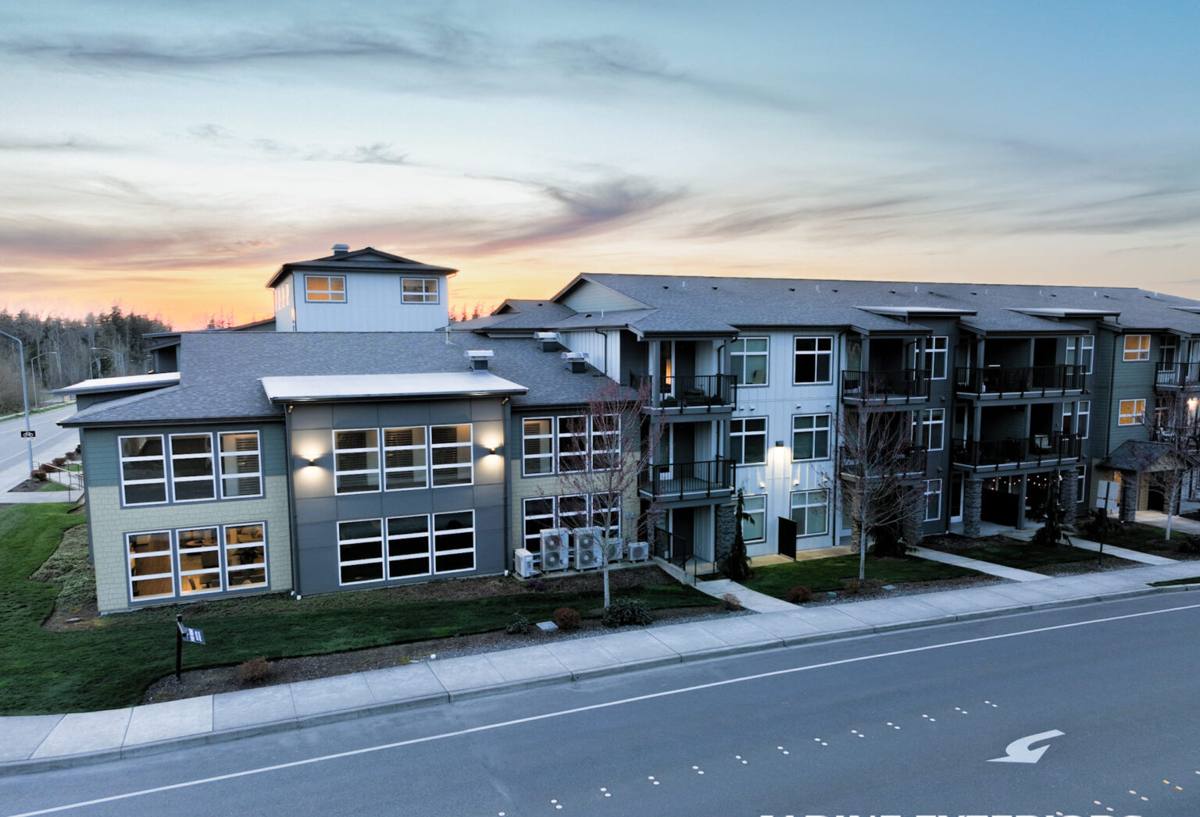
 Anacortes Exterior
 Why Mount Vernon Roofs Wear Differently Than Roofs Inland
A roof in Mount Vernon doesn't fail the same way a roof does in a dry climate. Skagit County sits in a maritime weather pattern that keeps roofing materials wet for long stretches of the year, exposes them to salt-laden air moving in off Puget Sound and the Salish Sea, and gives moss, moulds, and algae a long, comfortable growing season. None of that shows up as one dramatic failure. It shows up slowly, as small weaknesses that compound until a homeowner notices a stain on a ceiling and realizes the problem has been building for a year or more.
Repairing a roof correctly in this environment means understanding how these forces work together, not just patching whatever is leaking today. That's the difference between a repair that holds for years and one that reopens the same problem next winter.
The Climate Factors That Drive Roof Repairs Here
Driving Rain
Wind-driven rain doesn't just fall straight down — it gets pushed sideways under shingle edges, around flashing, and into any gap that a calmer climate would never test. Roofs here need laps, flashing, and underlayment that assume water will attack from an angle, not just from above.
Moss and Organic Growth
Shade, moisture, and mild temperatures add up to a long moss season across Skagit County. Moss holds water against roofing material long after a dry-climate roof would have shed it, and as it spreads under shingle tabs it lifts them just enough to let water in. Left alone, moss growth is one of the most common reasons a roof that still "looks fine" from the ground is actually failing underneath.
Salt Air
Proximity to saltwater accelerates corrosion on exposed metal — flashing, fasteners, vents, and gutter hardware age faster here than they would twenty or thirty miles inland. A repair that reuses corroding fasteners or unsealed metal is a repair that's already on a shorter clock.
Signs a Mount Vernon Roof Needs Repair
Most roof problems give warning signs well before they become an active leak. Homeowners who catch these early save significant money over waiting for water to show up indoors.
- Granules collecting in gutters or at the base of downspouts
- Dark streaking or thick moss patches, especially on north-facing slopes
- Shingles that look cupped, curled, or are missing entirely
- Soft or spongy spots when walking a flat or low-slope section
- Rust staining or visible gaps around flashing at chimneys, skylights, and roof-to-wall junctions
- Ceiling stains, especially ones that reappear after heavy rain
- Daylight visible through the roof deck from inside an attic
What Actually Causes Leaks in This Area
When we're called out for a leak in Mount Vernon, the source is rarely the open field of shingles. It's almost always one of a handful of vulnerable points:
Flashing
Flashing around chimneys, skylights, vents, and wall intersections is where two different roofing surfaces meet, and it depends on sealant and metal that degrade faster than the shingles around them. In a wet, salty climate, flashing failure is one of the single most common repair calls we get.
Valleys
Roof valleys concentrate huge volumes of water during heavy Skagit County rain events. If the valley liner, metal, or shingle overlap isn't done correctly, this is often the first place a roof fails.
Moss-Damaged Shingle Edges
As covered above, moss lifts shingle tabs and holds moisture against the surface, which accelerates granule loss and edge curling — both of which lead directly to leaks.
Aging or Corroded Fasteners and Vents
Metal roof vents, pipe boots, and fasteners exposed to salt air corrode and fail years before a homeowner would expect, especially on older roofs that used lower-grade materials to begin with.
What a Correct Repair Actually Involves
A proper roof repair isn't just sealing the spot where water is currently coming in. That approach almost always leaves the underlying cause untouched, which is why some "repairs" leak again within a season. A repair done right includes:
- Diagnosis at the source — tracing the leak path, which is often several feet from where the stain shows up indoors, since water travels along rafters and sheathing before it drips.
- Inspection of the surrounding area — checking adjacent shingles, flashing, and decking for related damage, not just the failure point itself.
- Deck assessment — confirming the plywood or sheathing underneath hasn't gone soft from prolonged moisture exposure, which would need replacement before any surface repair holds.
- Matching materials correctly — using compatible shingle, flashing, and underlayment materials so the repair integrates with the existing roof system rather than creating a new seam that fails later.
- Moss and debris removal — clearing growth and organic buildup from the repair area and, where it makes sense, the broader roof, so the same moisture trap doesn't cause a repeat failure.
Our Roof Repair Process
We keep the process straightforward and honest, because homeowners deserve to know exactly what they're paying for and why.
1. Inspection and Honest Assessment
We look at the whole roof, not just the spot you called about. If a repair genuinely makes sense, we'll say so. If the roof is old enough or damaged enough that a repair is just delaying a replacement, we'll tell you that too, along with the reasoning behind it.
2. Clear Scope Before Work Starts
You'll know what we're repairing, what materials we're using, and roughly what it will cost before anyone gets on the roof — no surprise add-ons once the job is underway.
3. The Repair Itself
Work is done to match your existing roofing system, with attention to the flashing, fasteners, and underlayment details that matter most in this climate — not just a quick patch over the visible symptom.
4. Cleanup and Walkthrough
We clear debris, check gutters and downspouts near the repair area, and walk you through what was done and why.
Repair vs. Replace: How We Help You Decide
| Factor | Leans Toward Repair | Leans Toward Replacement |
|---|---|---|
| Roof age | Under 15-20 years, or a durable material with a lot of life left | Near or past typical service life for the material |
| Extent of damage | Isolated to one section, flashing point, or valley | Widespread granule loss, curling, or multiple leak points |
| Deck condition | Sheathing is solid and dry | Soft, delaminated, or water-damaged decking found during inspection |
| Moss/algae history | Manageable with cleaning and targeted repair | Long-term, repeated moss damage across large areas |
| Repair frequency | First or occasional repair call | Recurring leaks in different spots year after year |
There's no single rule that applies to every roof — the honest answer usually comes from a physical inspection, not a phone estimate.
Why Local Experience in Skagit County Matters
Roofing crews who work regularly across Anacortes, Mount Vernon, and the surrounding Skagit County area develop a working knowledge of how local weather actually behaves on a roof over time — which slopes hold moss longest, which flashing details tend to fail first in salt air, and which materials genuinely hold up versus which ones struggle here regardless of what the manufacturer's brochure claims. That kind of pattern recognition comes from doing this work in this climate repeatedly, not from a general contractor passing through once.
It also means faster, more accurate diagnosis. A crew that's seen the same valley-flashing failure a dozen times in similar homes across the region doesn't need to guess — they know where to look first.
What Affects the Cost of a Roof Repair
Roof repair costs vary widely depending on the specifics of the job, and we'd rather explain the real factors than quote a number that doesn't hold up once we're actually on your roof.
- Size and location of the damaged area — a single flashing repair costs far less than a multi-section shingle replacement
- Roof pitch and accessibility — steep or hard-to-access sections take more time and safety setup
- Deck condition — any sheathing replacement adds material and labor beyond a surface-level repair
- Material match — matching an older or discontinued shingle style can affect cost and lead time
- Moss or debris cleanup scope — larger cleanup jobs add time before the repair work even begins
Most straightforward repairs land in a modest range, while jobs involving deck replacement or larger flashing and valley work cost more. We won't know which category your roof falls into until we've actually looked at it.
Maintenance That Extends the Life of a Repair
A repair holds longer when the rest of the roof isn't working against it. A few habits make a real difference in this climate:
- Keep gutters and downspouts clear so water isn't backing up under roof edges
- Address moss growth before it spreads across an entire slope
- Trim back overhanging branches that keep sections of roof shaded and damp
- Have flashing points checked periodically, especially after major storms
- Don't ignore small ceiling stains — get them looked at before the next heavy rain
Get an Honest Look at Your Roof
If you're dealing with a leak, a moss problem, or just want a straight answer on whether your roof needs a repair or something more, we're glad to take a look. The estimate is free, there's no pressure to sign anything on the spot, and you'll get a plain-English explanation of what we find. Use the form below to get started.