 Anacortes Exterior
 Old Town Anacortes Has Its Own Set of Window Problems
Old Town Anacortes is one of the older residential pockets on Fidalgo Island, and the housing stock reflects it. A lot of these homes were built well before modern window technology, insulation standards, or moisture barriers existed, and many have already been through at least one round of window replacement — sometimes done well, sometimes done as a quick fix by whoever was cheapest at the time. When we get called out to a house in this neighborhood, we're rarely starting from a blank slate. We're usually working around decisions someone else made twenty, thirty, or forty years ago, and those decisions matter for how we approach the job.
The other factor that sets this neighborhood apart is proximity to the water. Old Town sits close enough to Puget Sound that salt-laden air, wind-driven rain, and near-constant moisture are just part of daily life for these homes. That combination is harder on windows than most homeowners realize, and it changes what "correct installation" actually means here compared to a house twenty miles inland in Skagit County.
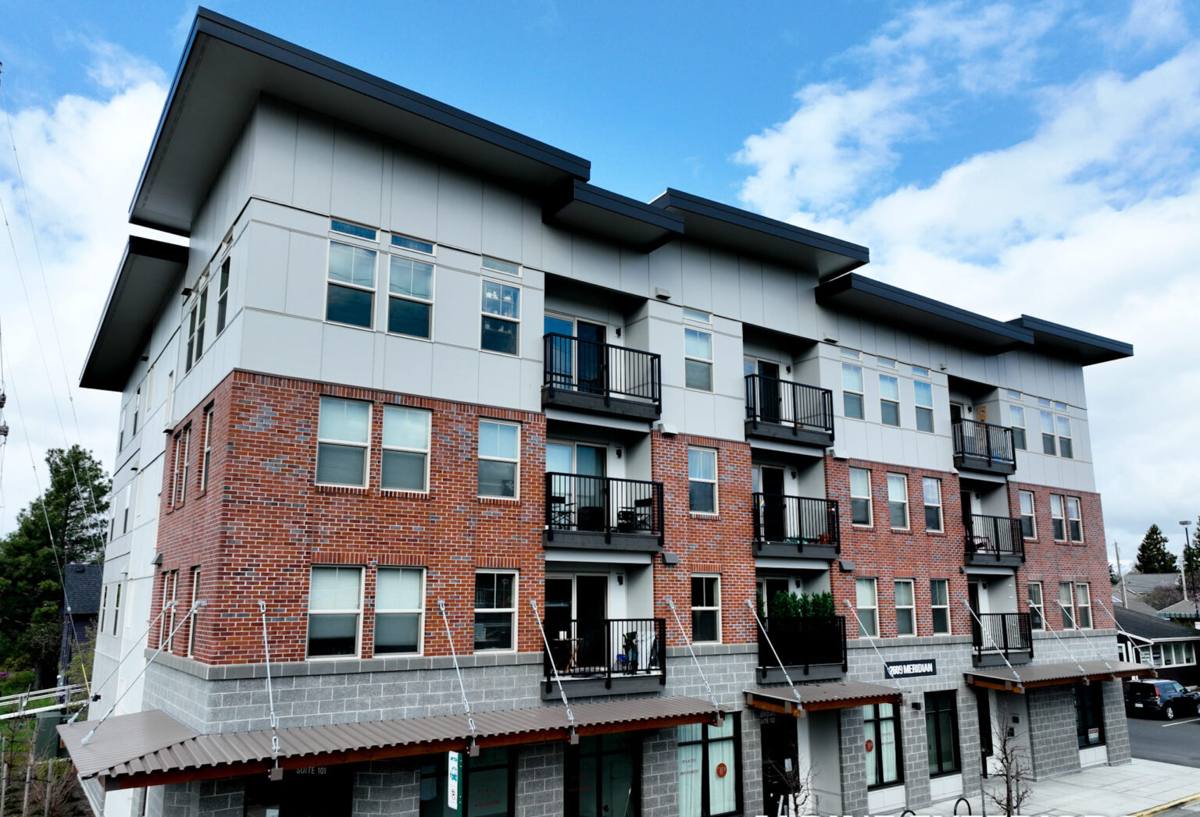
What Salt Air, Driving Rain, and Moss Season Actually Do to Windows
It's easy to think of window failure as a slow, simple process — glass fogs up, frames get a little drafty, eventually you replace them. In a marine climate like Anacortes, the failure path is usually more aggressive and more specific.
Salt Air
Airborne salt is corrosive to metal hardware — hinges, locks, balance systems, and aluminum frames all take a hit over time. It also accelerates the breakdown of certain sealants and finishes faster than a standard product warranty accounts for. A window that would last three decades in a dry inland climate can show hardware corrosion or seal failure well ahead of schedule this close to the Sound.
Driving Rain
Wind off the water doesn't just bring rain — it pushes it sideways, straight into wall assemblies and window openings that weren't necessarily detailed for that kind of pressure when the house was built. This is where most of the real damage happens: not from the glass itself, but from water finding its way behind poorly flashed or poorly caulked window frames and sitting in the wall cavity where nobody can see it.
Moss and Constant Damp
Skagit County's long wet season keeps wood trim, sills, and siding damp for extended stretches, which is exactly the environment moss, algae, and rot organisms need to take hold. Once moss establishes itself around a window opening, it holds moisture against the wood even longer, which speeds up decay in sills and casings that are already vulnerable.
None of this means Old Town homes need exotic solutions. It means the installation details — flashing, sealants, drainage — have to be treated as seriously as the window unit itself, because in this climate, the details are usually what fails first.
Signs Your Windows Are Telling You It's Time
Not every drafty window needs full replacement, and not every foggy pane means the whole house needs new windows this year. Here's what we actually look for when we walk a property in this neighborhood:
- Fogging or a visible film between panes on double- or triple-glazed units — this means the seal has failed and the gas fill is gone
- Soft, spongy, or discolored wood at the sill or bottom corners of the frame
- Visible gaps between the window frame and siding, or cracked/missing caulk lines
- Windows that are hard to open, close, or lock — often a sign of frame warping or hardware corrosion
- Noticeable draft or cold spots near the window even with it fully closed
- Moss or algae growth on the sill, casing, or siding directly around the window
- Paint that's bubbling or peeling specifically around the window opening, which often points to trapped moisture
- Rising heating bills without an obvious cause elsewhere in the house
If you're seeing two or three of these on the same window, that's usually enough to justify a closer look rather than waiting.
Choosing the Right Window for This Climate
There's no single "best" window material — there are trade-offs, and the right call depends on the house, the budget, and how exposed that particular wall is to wind and rain off the water. Here's how the common options actually compare for a home in a marine environment like Old Town Anacortes.
| Frame Material | Salt Air Performance | Maintenance | Notes for This Area |
|---|---|---|---|
| Vinyl | Good — won't corrode or rust | Low | Reliable, budget-friendly choice; quality varies a lot between manufacturers |
| Fiberglass | Excellent — very stable in temperature and humidity swings | Low | Strong option for this climate; higher upfront cost, long service life |
| Wood | Poor to fair without diligent upkeep | High | Classic look that suits older Anacortes homes, but needs regular painting/sealing to survive constant damp |
| Wood-Clad | Good — exterior shell protects the wood core | Moderate | Good compromise for homes where interior wood trim matters for character |
| Aluminum | Fair — prone to corrosion and condensation near salt air | Moderate | We generally steer clients away from bare aluminum for waterfront-adjacent homes due to corrosion and thermal performance |
For most Old Town properties, we end up recommending vinyl or fiberglass for straightforward performance and low upkeep, or wood-clad when the homeowner wants to preserve a specific interior look on an older house. We'll walk through the actual trade-offs for your specific walls rather than pushing one material across the board.
What a Correct Installation Actually Involves
The window unit itself is maybe half the job. The other half — the part that determines whether you're dealing with rot and leaks again in five years — is how it's installed.
Removal Without Collateral Damage
Old Town homes often have original wood trim, older siding, or interior finishes worth protecting. We remove the existing window carefully enough to assess what's underneath — sill condition, framing, existing flashing — before assuming the opening is ready for a new unit.
Checking What's Behind the Old Window
This is the step that gets skipped by crews in a hurry, and it's the one that matters most in a wet climate. If there's soft framing, missing or failed flashing, or evidence of past water intrusion, that has to be addressed before the new window goes in — otherwise you're sealing a problem inside the wall instead of fixing it.
Flashing and Weather Barrier
Proper flashing directs water that gets past the exterior cladding back out, rather than letting it collect at the sill. Given how much wind-driven rain this area sees, we treat flashing as non-negotiable, not an upsell.
Sealing and Insulation
The gap between the window frame and the rough opening gets insulated and air-sealed correctly — not just stuffed with fiberglass and caulked shut, which traps moisture rather than managing it.
Finish Work
Trim, caulking, and paint or stain get finished to match the house, and every seam that's exposed to weather gets checked before we consider the job done.
Our Process, Start to Finish
- Walk-through and assessment — We look at every window being considered, check sill and framing condition, and note anything the salt air or rain has already damaged.
- Honest recommendation — We tell you which windows genuinely need replacement now, which can wait, and which material fits your budget and the exposure of that particular wall.
- Written estimate — Clear pricing, no vague allowances, no pressure to decide on the spot.
- Scheduling around weather — In a climate with this much rain, timing the removal and installation to minimize how long an opening sits exposed matters, and we plan for it.
- Installation — Careful removal, inspection of the opening, proper flashing and sealing, and correct fitting of the new unit.
- Cleanup and walkthrough — We clean up debris and old materials and walk the finished windows with you before we call it done.
What Affects the Cost
Every house is different, but these are the factors that most commonly move the price up or down on a window replacement project in this neighborhood.
| Factor | Why It Matters |
|---|---|
| Frame material | Vinyl is typically the most budget-friendly; fiberglass and wood-clad cost more upfront but often perform better long-term in this climate |
| Condition of existing framing | Rot or water damage found during removal adds repair work before the new window can go in |
| Number and size of windows | Larger openings and specialty shapes cost more than standard sizes |
| Glass package | Double-pane vs. triple-pane, and any low-E or gas-fill upgrades, affect both cost and energy performance |
| Trim and finish work | Matching existing wood trim or historic detailing takes more labor than a standard vinyl-wrap finish |
| Access and site conditions | Second-story windows, tight lots, or landscaping that limits access can add time to the job |
We give real numbers during the estimate rather than a broad guess, but as a general rule, expect the range for full window replacement projects to vary significantly based on the factors above — which is exactly why an on-site look matters more than a phone quote.
Older Homes, Character, and Energy Code
A number of Old Town Anacortes houses have real architectural character — original proportions, trim profiles, and window shapes that are part of what makes the neighborhood look the way it does. When we replace windows on a house like this, we try to match sightlines and proportions rather than defaulting to whatever's easiest to install. That said, current Washington energy code requirements apply to replacement windows, so we also make sure whatever goes in meets the performance standards required for the project — we'll explain what that means for your specific house rather than assuming you already know the code details.
Why Local Experience in This Neighborhood Matters
A crew that mostly works dry, inland jobs can install a technically fine window and still get the flashing and sequencing wrong for a house that takes wind-driven rain off the water on a regular basis. Working in and around Anacortes and Skagit County means we've seen how these specific conditions — salt air, driving rain, long damp winters — actually play out on older homes over years, not just on install day. That shows up in the small decisions: how we detail the flashing, which materials we steer you away from for a west-facing wall, and how we sequence the job around the weather instead of fighting it.
If your windows in Old Town Anacortes are fogging, drafty, sticking, or showing rot at the sill, it's worth getting a second set of eyes on them before the next wet season sets in. We offer free, no-pressure estimates — walk us through what you're seeing, and we'll give you a straight answer on what needs replacing, what can wait, and what it'll actually cost. Use the form below to get started.