 Anacortes Exterior
 Board & Batten on March Point: A Style That Has to Earn Its Keep
Board and batten siding has a strong, clean look that suits the mix of rural, waterfront, and newer-build homes out on March Point. The vertical lines read as modern on a contemporary build and as classic farmhouse on an older one, which is part of why it keeps showing up in remodel requests around Anacortes. But out here, board and batten isn't just a style choice. This is a peninsula with water close on more than one side, open to wind, and it takes weather that a more sheltered Skagit County lot never sees. A siding profile that looks great in a catalog photo can fail early if it isn't matched to that exposure and installed with real attention to detail.
This page is about doing board and batten correctly for March Point homes specifically — what the local climate demands, what a correct installation actually involves, and why we install it exclusively in James Hardie fiber cement rather than the wood, engineered-wood, or vinyl versions of the same look.
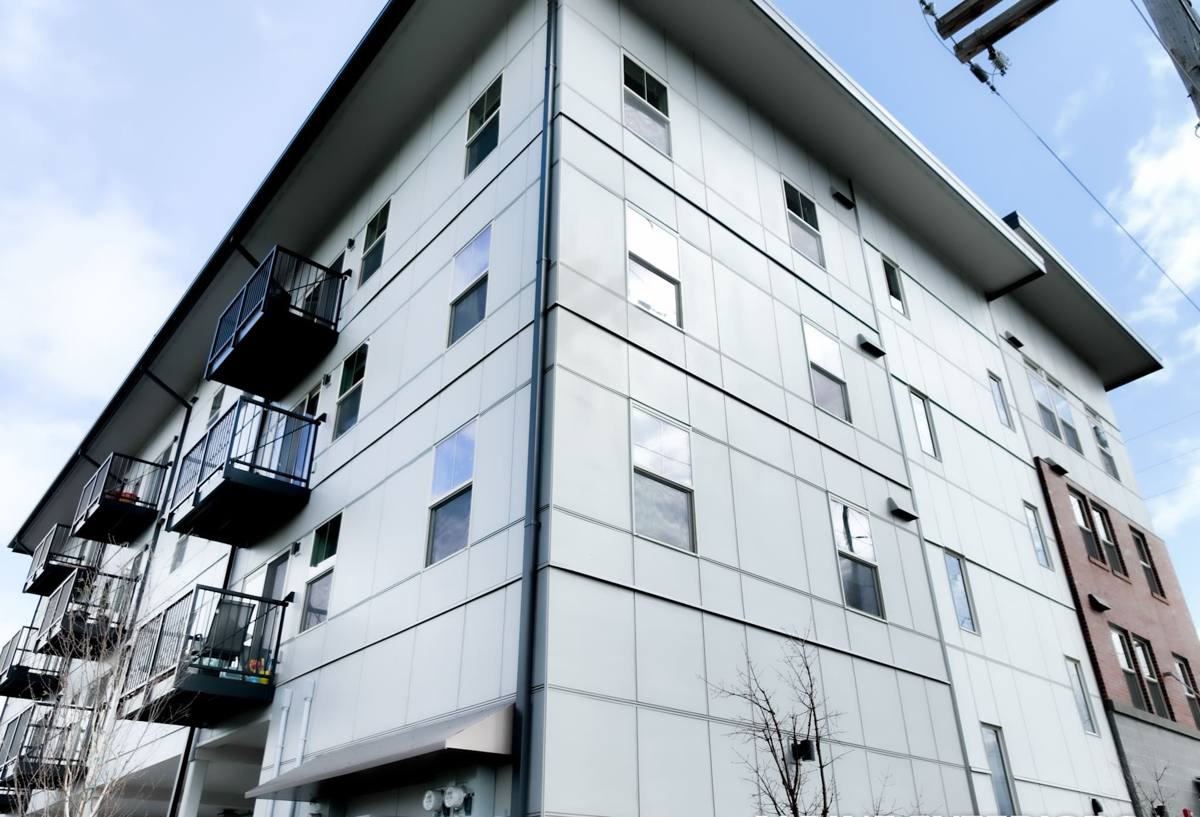
What March Point's Climate Does to Siding Over Time
Every siding material ages differently depending on what it's exposed to. On March Point, three things do most of the damage over the years: salt-laden air, driving rain, and long stretches of shade and moisture that feed moss and algae.
Salt Air and Marine Exposure
Being this close to open water means airborne salt is a constant, low-grade factor. Salt accelerates corrosion on fasteners, flashing, and any exposed metal trim, and it can gradually break down paint films and caulk faster than a home fifteen or twenty miles inland would experience. Siding materials and finishes that aren't rated for coastal exposure tend to show it first at the edges — fastener heads, cut ends, and butt joints where the factory finish stops protecting the material.
Wind-Driven Rain
Anacortes gets a lot of rain, but the more damaging factor is rain that comes in sideways during a windstorm. Board and batten's vertical seams — the joints where each batten covers the gap between boards — are the parts of the system most exposed to that kind of wind-driven moisture. If those seams aren't detailed correctly, water gets pushed up and under the batten rather than running down and off the wall, and it ends up behind the siding where it's harder to spot.
Moss and a Long Wet Season
Western Washington's moss season runs long, and shaded, north-facing, or tree-lined walls on wooded March Point lots stay damp for extended stretches even after a storm passes. Moss and algae growth on siding isn't just cosmetic — sustained moisture at the surface keeps the material wetter for longer, which matters a great deal for anything wood-based and matters less, but not zero, for fiber cement with the right factory finish.
What a Correct Board & Batten Installation Actually Involves
Board and batten looks simple from the street — vertical boards with a batten strip covering each seam — but it's one of the less forgiving siding profiles to install well. The visible batten hides most mistakes from view until they've already caused damage behind the wall.
- Proper drainage plane and weather-resistive barrier behind the siding, so any moisture that does get past the batten has somewhere to go besides the wall sheathing
- Correct batten spacing and fastening pattern per the manufacturer's engineering, not just "wherever it looks even"
- Flashing and z-flashing at every horizontal transition — window and door heads, roof-to-wall intersections, and any place a horizontal trim board meets vertical siding
- Rain-screen or furring strategy appropriate for the wall assembly, giving the panel a way to dry rather than trapping moisture flat against the sheathing
- Fasteners rated for coastal/corrosive exposure, placed per manufacturer spec rather than generic nailing patterns
- Sealed and back-primed cut ends at every field cut, since a factory finish only protects what's still factory-finished
Skip any one of these and the siding can still look right for a season or two. The problems that show up from cutting corners on board and batten tend to be hidden ones — rot at the sheathing, failed fastener pull-through, or trapped moisture — and they're expensive to find late.
Why We Install Board & Batten Only in James Hardie
We don't offer board and batten in cedar, primed spruce, engineered wood, or vinyl. We install James Hardie's fiber cement board and batten system exclusively, and that's a deliberate standard, not a lack of options.
What Fiber Cement Does Differently in This Climate
James Hardie board and batten is fiber cement — sand, cement, and cellulose fibers formed under pressure — not wood and not a wood composite. It doesn't swell, cup, or rot the way wood-based products can when they take on moisture repeatedly, which matters directly for March Point's wet-season exposure. It's also non-combustible, which is a real consideration anywhere near wildland vegetation in Skagit County during dry summer stretches.
ColorPlus Finish
Hardie's ColorPlus factory finish is baked on in a controlled environment rather than field-applied with a brush and roller. That matters most on a profile like board and batten, where the seams and cut lines are the weak point — a factory finish holds up to salt air and UV exposure more consistently than most field-applied paint jobs, and touch-up product is available for the inevitable field cut or nail nick.
HZ5 Engineering for the Pacific Northwest
Hardie engineers its siding by climate zone, and the HZ5 formulation is built for regions like ours — freeze-thaw cycles, sustained damp weather, and higher moisture exposure generally. That's a meaningful difference from a one-size-fits-all siding product, and it's specific to the actual weather March Point sees most of the year.
Warranty Structure
James Hardie backs its siding with a transferable limited warranty, which also carries real weight at resale — a documented Hardie installation is something a buyer's inspector recognizes, versus asking them to take your word for how a wood or vinyl system has held up.
Board & Batten Material Comparison for This Site
| Material | Moisture Behavior in Wet, Coastal Exposure | Fastener/Metal Corrosion Risk | Long-Term Finish Durability |
|---|---|---|---|
| James Hardie Fiber Cement | Does not swell, rot, or absorb water like wood | Low with correctly specified fasteners | Factory-baked ColorPlus finish, resists UV and salt fade |
| Cedar / Wood Board & Batten | Prone to swelling, cupping, and rot with sustained moisture | Moderate; tannins can accelerate corrosion at fasteners | Field-applied finish, needs recoating on a regular cycle |
| Primed Engineered Wood | Vulnerable at cut ends and joints if moisture gets behind the primer | Moderate | Field or shop primer, still needs finish coats and maintenance |
| Vinyl Board & Batten | Doesn't rot, but can warp or become brittle with UV and temperature swings | Low, but panels can loosen or crack in wind | Color is through the material but fades and chalks over time; not repaintable easily |
Our Process for a March Point Board & Batten Project
- On-site walkthrough — we look at wall exposure, existing moisture damage, shaded/mossy areas, and where wind-driven rain is most likely to hit, since March Point lots vary a lot depending on how open or sheltered the site is
- Tear-off and sheathing inspection — old siding comes off and we check the sheathing underneath for rot or soft spots before anything new goes up; this step is where hidden problems from a prior installation usually surface
- Weather barrier and drainage plane — a correctly lapped weather-resistive barrier, with a rain-screen or furring approach suited to the wall assembly
- Flashing installation — window heads, roof-wall transitions, and horizontal trim get flashed before siding covers them, not caulked over after the fact
- Board and batten installation to Hardie spec — correct spacing, fastener type and pattern, sealed cut ends
- Trim, caulking, and final detailing — the points most exposed to wind-driven rain get the closest attention
- Walkthrough and cleanup — we go over the finished work with the homeowner before calling the job done
Cost Factors for a March Point Board & Batten Job
Every home is different, so we don't publish flat per-square-foot pricing — wall condition, access, and site exposure all move the number. The factors below are the ones that most affect cost on this kind of project.
| Factor | Why It Matters Here |
|---|---|
| Sheathing condition under old siding | Rot or moisture damage found during tear-off adds repair scope before new siding can go on |
| Wall exposure and elevation | Sides facing open water or prevailing wind may need more attention to flashing and rain-screen detailing |
| Existing moss or algae buildup | Heavier growth can indicate longer-term moisture exposure worth addressing at the wall assembly, not just the surface |
| Trim and detail complexity | More window/door openings and roof intersections mean more flashing work per square foot |
| Access and site conditions | Waterfront and treed lots can add setup time and staging considerations |
Maintaining Board & Batten in a Marine, Moss-Prone Climate
James Hardie board and batten needs far less upkeep than wood, but "low-maintenance" isn't "no-maintenance" in this environment. A simple seasonal routine keeps it performing the way it's designed to.
- Rinse siding periodically to clear salt residue and organic buildup, especially on shaded or wind-exposed walls
- Watch shaded and north-facing sections for early moss or algae growth and address it before it spreads
- Keep gutters and downspouts clear so roof runoff isn't dumping extra water onto specific wall sections
- Trim back vegetation that keeps a wall damp and shaded longer than necessary
- Inspect caulking at trim and penetrations every year or two and touch up as needed
- Check for any exposed, unpainted cut ends after storm damage or repairs and seal them promptly
Why a Crew That Already Works March Point Matters
Siding crews that mostly work inland don't always think about wind exposure and salt air the same way, because they don't have to. Working this stretch of Skagit County regularly means knowing which wall orientations take the worst of the weather, which areas hold moss longest into the summer, and how to detail flashing for wind-driven rain rather than just following a generic install sheet. That local pattern recognition is part of what keeps a board and batten installation performing for decades instead of needing early repairs.
If you're weighing board and batten for a home on March Point, we're happy to take a look and talk through what your specific site needs — no pressure, no obligation. Reach out for a free estimate using the form below.