 Anacortes Exterior
 Building Decks for a Waterfront Corner of Anacortes
Flounder Bay sits close to open water on Fidalgo Island, and that proximity to the marine environment changes what a deck has to survive. A deck built to a generic spec sheet might look fine for a year or two, then start showing rust bleed at the fasteners, soft spots at the ledger, or a slick green film that never fully dries out. Homes near the water in this part of Skagit County deal with salt-laden air, driving rain off the strait, and a moss season that can run from October through May in a wet year. None of that is exotic — it's just the normal cost of living close to Puget Sound — but it means a deck here needs to be built differently than one going up on a dry inland lot.
This page is specifically about custom deck work for homes in and around Flounder Bay. It covers what the local conditions demand, how we structure the build to handle them, and what ongoing care actually looks like once the deck is done.
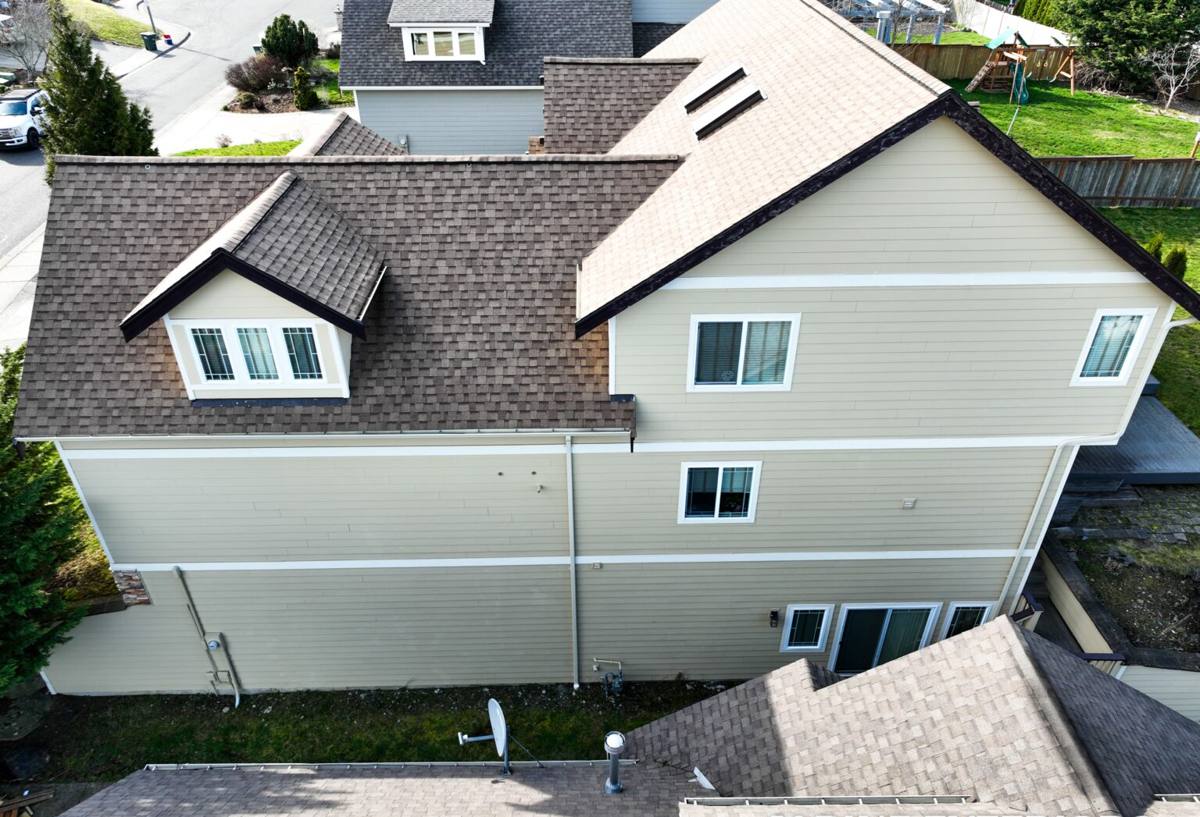
What Salt Air and Rain Actually Do to a Deck
It helps to be specific about the failure modes, because "salt air is tough on decks" doesn't tell you where to look.
- Fastener corrosion — standard exterior screws and nails can start rusting within a season or two near open water. Rust doesn't stay contained; it streaks the surrounding wood or composite and weakens the fastener's grip over time.
- Hidden rot at connection points — ledger boards, post bases, and joist hangers trap moisture longer than open decking. Combined with salt air accelerating corrosion on metal hardware, these hidden connections are usually the first place a deck actually fails structurally, long before the surface looks bad.
- Moss and algae growth — shaded or north-facing sections that stay damp for days after a storm become a growing surface. Beyond the slip hazard, moss holds moisture against the decking material and shortens its life.
- UV and moisture cycling — even with more overcast days than sunny ones, Western Washington decks go through repeated wet-dry cycles that stress finishes, causing peeling, graying, or checking faster than the same product would experience in a drier climate.
Decking Material: What Holds Up Near the Water
There's no single "correct" decking material for every Flounder Bay home — it depends on budget, how much upkeep you want to do, and the look you're after. What matters is picking a material with eyes open about its trade-offs in this specific environment, not based on a showroom sample from a drier climate.
| Material | Salt Air / Moisture Behavior | Maintenance | Honest Trade-off |
|---|---|---|---|
| Pressure-treated wood | Good if fasteners and hardware are corrosion-rated; wood itself handles moisture cycling reasonably well | Needs re-staining or sealing every 2-3 years near the water | Lowest upfront cost, but the most ongoing labor to keep it protected |
| Cedar | Naturally rot- and insect-resistant; ages to a silver-gray if left unfinished | Periodic cleaning; finish maintenance if you want to keep the original color | Better natural moisture resistance than treated pine, but softer and more prone to surface wear in high-traffic areas |
| Composite decking | Doesn't absorb moisture the way wood does, so rot isn't a concern; some early-generation composites had issues with moisture wicking at cut ends | Occasional washing to keep moss and algae from taking hold; no staining or sealing | Higher material cost, but far less recurring labor over the deck's life |
| PVC / capped composite | Fully moisture-sealed surface; best resistance to staining and mold growth in shaded, damp spots | Lowest maintenance of the group — soap and water as needed | Highest material cost; can run hotter underfoot in direct sun (less of a concern here than in drier climates) |
For most Flounder Bay projects we lean toward composite or capped composite on shaded or low-airflow sites where moss is a recurring problem, and we're comfortable recommending cedar or treated wood on sites that get more sun and airflow, especially when the homeowner is fine with a maintenance routine. The right call depends on the specific lot, not a blanket rule.
Framing and Structure: Where the Real Work Happens
Ledger Attachment
The ledger board — where the deck ties into the house — is the single most important structural connection and the one most likely to trap water against the building if it's not flashed correctly. We install proper flashing that directs water away from the house wall rather than behind it, which matters even more here than in drier regions because of how often that joint gets wet.
Footings and Posts
Ground contact near the water table on low-lying lots can mean wetter soil for longer stretches of the year. We size and set footings to local frost and soil conditions and use post bases that hold the post above the concrete rather than embedding it, keeping end-grain wood away from standing moisture.
Joist Hardware
This is where we're most particular. In a marine-air environment, we spec corrosion-resistant hangers, screws, and structural connectors — the kind rated for the moisture and salt exposure this location actually sees, not the minimum-code hardware that's fine 30 miles inland. It costs a little more up front. It's cheap compared to re-decking a structure with rusted-out hangers in eight years.
Railings and Hardware Choices
Railings take direct weather exposure and get touched constantly, so material choice here affects both longevity and feel underhand.
- Wood railings — match the decking aesthetic but need the same finish maintenance as wood decking, and top rails catching standing water are a common weak point if not detailed correctly.
- Metal (aluminum or powder-coated) railings — aluminum doesn't rust, which makes it a strong option this close to the water; we avoid uncoated steel components in this environment.
- Cable or glass panel railings — popular for water-adjacent homes wanting an open view; require corrosion-rated cable hardware and periodic tension checks.
Whatever the railing style, every exposed fastener and bracket gets specified for the environment it's actually going into, not swapped in as an afterthought.
Managing Moss, Algae, and Drainage by Design
You can't eliminate moss risk on a shaded, damp lot near the water, but you can design a deck that doesn't feed it. That means:
- Proper board spacing and airflow underneath so water and debris don't sit trapped against the framing.
- Grading and drainage planning at the footing level so water sheds away from posts instead of pooling.
- Material choice matched to shade level — a heavily shaded section under mature trees is a different decision than an open, sun-exposed section of the same deck.
- Surface texture that balances slip resistance with ease of cleaning, since a heavily grooved or fibrous surface can hold moss spores longer than a smoother one.
None of this makes a deck maintenance-free. It makes the maintenance you do actually effective instead of fighting a design flaw every season.
Our Process for Flounder Bay Deck Projects
- On-site assessment — we look at sun exposure, shade patterns, existing drainage, soil conditions, and how close the build is to open water, since exposure can vary significantly block to block in this area.
- Material and layout discussion — we walk through the trade-offs above in plain terms so you're choosing based on how you'll actually use and maintain the deck, not a sales pitch.
- Permitting — decks of a certain size or height typically require a permit through the City of Anacortes or Skagit County, depending on the property; we handle that process as part of the job.
- Framing and structural work — built with corrosion-rated hardware and correctly flashed ledger connections as described above.
- Decking, railing, and finish work — installed to the manufacturer's spec for the material chosen, with attention to fastener placement and drainage gaps.
- Walkthrough and care guidance — before we leave, you get a straightforward rundown of what maintenance your specific deck actually needs, on a schedule that fits how it's built.
Deck Maintenance Checklist for This Climate
- Sweep leaves and debris off the deck surface regularly through fall, especially in shaded corners.
- Clean moss and algae off the surface at the first sign of growth rather than waiting until it's established.
- Check railing hardware and joist connections annually for early rust staining, which is easier to address early than after it spreads.
- Reseal or restain wood decking on the schedule appropriate to the product — typically every 2-3 years in this climate.
- Keep gutters and downspouts near the deck clear so runoff isn't dumping extra water onto or under the structure.
- Confirm drainage gaps between boards stay clear of built-up debris that can trap moisture against the framing.
Why a Crew That Already Works Flounder Bay Matters
A contractor who mostly builds decks inland brings inland assumptions — standard hardware, standard fastener schedules, standard maintenance timelines. None of those assumptions hold up well a few hundred feet from saltwater. Working regularly in Anacortes and this stretch of Skagit County means we've seen which fastener grades actually hold up here, which shaded lots turn into moss problems within a year, and which ledger details keep water out of a wall instead of behind it. That's not a marketing line — it's the difference between a deck that needs real repair work in year six and one that's still solid at year twenty.
If you're planning a new deck or replacing one that's showing its age near Flounder Bay, we're glad to come take a look and talk through what your specific site needs. Reach out for a free, no-pressure estimate using the form below.