 Anacortes Exterior
 Building Decks for Conway's Low-Lying, Wet Climate
Conway sits down in the Skagit River lowlands, close to tidal influence and surrounded by farmland, wetlands, and slow-draining soil. That combination means a deck here deals with more sustained moisture than one built up on higher, better-drained ground elsewhere in Skagit County. Add in the salt-tinged air that moves inland off Puget Sound and Skagit Bay, driving rain that comes in sideways during fall and winter storms, and a moss season that can stretch from October through May, and you have a set of conditions that punishes a deck built to a generic spec.
We've built and repaired decks throughout this part of the county long enough to know which shortcuts fail first out here, and which details actually hold up. This page covers what that means in practice for a Conway property specifically.
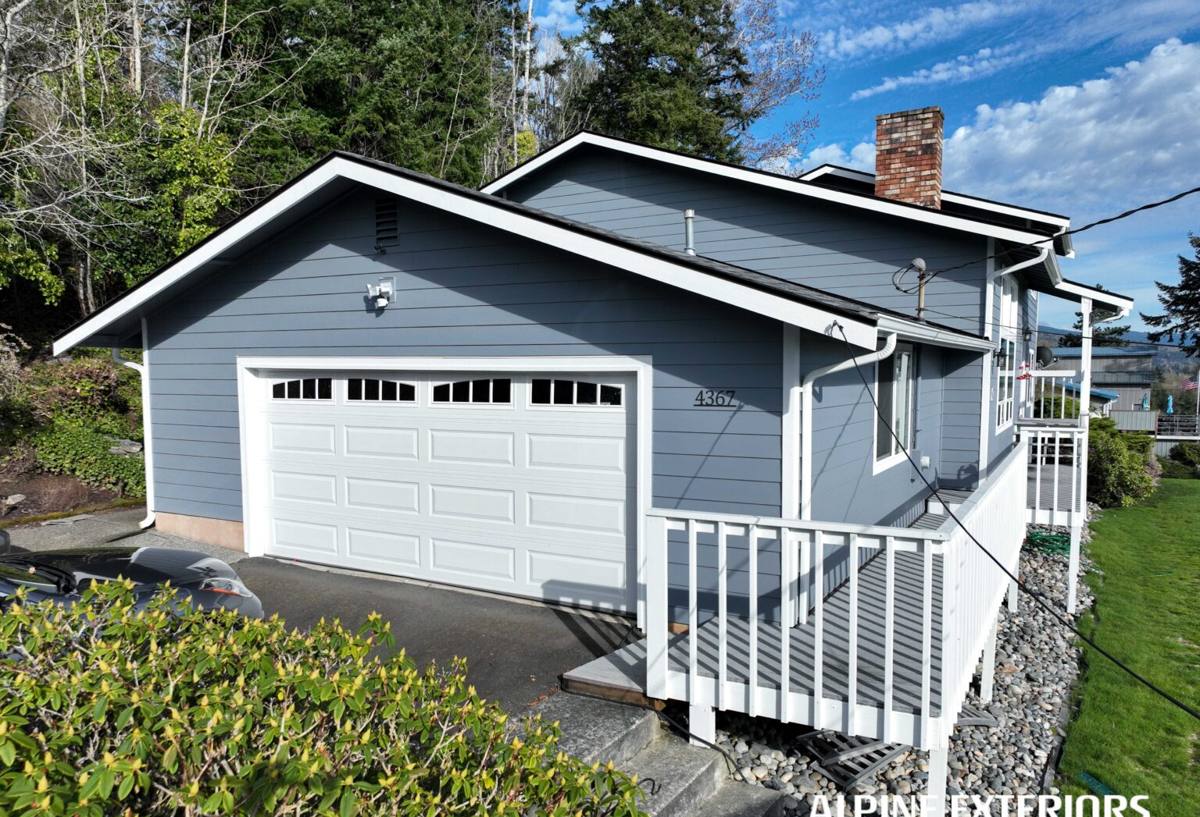
What Conway's Environment Does to a Deck Over Time
Moisture That Doesn't Leave
Low elevation and heavy clay or silty soils near the river mean the ground around a Conway home often stays damp longer after a storm than it would on a hillside lot in Anacortes proper. That moisture wicks up into deck framing, posts, and footings if they aren't detailed correctly, leading to slow rot in the parts of the structure you can't see from the surface.
Moss and Organic Growth
A long, cool, wet season is ideal for moss, algae, and mildew. On horizontal surfaces like decking boards and stair treads, that growth holds moisture against the wood or composite surface and creates a genuinely slippery walking surface — a real safety issue on stairs and ramps, not just a cosmetic one.
Salt Air and Metal Fatigue
Even well inland from the water, airborne salt accelerates corrosion on fasteners, brackets, and hardware. Cheap or mismatched metal connectors are one of the most common reasons we find early structural failure on decks in this part of the county — the wood looks fine, but the screws and joist hangers holding it together are compromised.
What a Correctly Built Deck Needs Here
None of this requires exotic materials, but it does require getting a handful of details right that a builder unfamiliar with this specific area might skip.
- Stainless steel or coated, corrosion-rated fasteners and connectors throughout — not standard galvanized hardware that's fine in a drier climate but degrades faster with airborne salt
- Footings set below frost depth and sized for the soil conditions on a low-lying lot, not just a minimum-code footing poured into loose, wet fill
- Proper ledger board flashing where the deck attaches to the house, so water is directed away from the wall framing instead of trapped behind the ledger
- Joist tape or flashing on top of every joist to keep standing water out of the wood itself
- Airflow underneath the deck — adequate height off grade and no skirting that traps moisture and blocks ventilation
- Decking material and fastening pattern chosen with drainage and grip in mind, not just appearance
Foundation and Framing on Low-Lying Conway Lots
Some properties in and around Conway sit close enough to the river and its floodplain that drainage and footing depth deserve real attention before the first post goes in the ground. We check how water moves across a lot after heavy rain, where the high groundwater line tends to sit, and whether the existing grade pushes water toward or away from the house before we finalize a footing plan. On a lot with poor natural drainage, we'll sometimes recommend gravel backfill around footings or a slightly elevated structure rather than building tight to grade — a small adjustment during framing that avoids years of trapped moisture underneath the deck.
We also pay attention to how the deck ties into the house itself. A ledger board is one of the most common failure points on any deck, and it's an even bigger risk in a climate that stays damp this long — proper flashing and a small air gap where required make the difference between a ledger connection that lasts decades and one that starts rotting the house's rim joist within a few years.
Choosing the Right Decking Material
There's no single "best" decking material for every Conway home — it depends on budget, how much maintenance you're willing to do, and how the deck will be used. Here's how the common options actually compare in this climate:
| Material | How It Handles This Climate | Maintenance | Typical Lifespan |
|---|---|---|---|
| Pressure-treated wood | Solid if detailed and sealed correctly; needs consistent upkeep to resist moss and rot | Annual cleaning, periodic sealing/staining | 15-20 years with upkeep |
| Cedar | Naturally rot-resistant, ages gracefully, but softer and shows moss/algae staining faster if neglected | Regular cleaning and refinishing to keep its look | 20-25 years with upkeep |
| Composite decking | Very good moisture resistance, resists rot outright; can still get slick with algae film and needs occasional cleaning | Periodic washing, no sealing or staining | 25-30+ years, manufacturer-backed |
| PVC/capped polymer | Excellent moisture and stain resistance, most consistent performance in constant wet conditions | Lowest maintenance of the group | 25-30+ years, manufacturer-backed |
We install composite and PVC decking from major manufacturers as well as traditional wood, and we'll walk through the honest trade-offs — upfront cost versus long-term upkeep, appearance versus maintenance time — rather than pushing whatever has the best margin.
Our Deck Building Process
- On-site assessment — we look at drainage, grade, sun/shade exposure, and how the deck will connect to the house before recommending a design
- Design and material selection — sized and laid out for how you'll actually use the space, with material options and honest cost ranges
- Permitting — we handle the Skagit County permit process, including any setback or floodplain requirements that apply to the specific parcel
- Footings and framing — built to the moisture and drainage details covered above, not just minimum code
- Decking, railing, and stairs — installed with attention to fastening patterns, board spacing for drainage, and slip resistance
- Final walkthrough — we go over basic care so the deck holds up through its first wet season and beyond
Living With Moss: Realistic Maintenance Expectations
No deck in this part of Skagit County is going to be maintenance-free — even the lowest-upkeep materials benefit from an occasional rinse and a stiff-bristle sweep before the wet season sets in. What a correctly built deck gives you is a structure where that maintenance is cosmetic rather than structural: cleaning off surface growth to keep things looking good and safe underfoot, instead of chasing rot in framing that was never protected from moisture in the first place. Board spacing, air flow underneath the deck, and material choice all affect how quickly moss and algae come back after a cleaning — we account for that in the design rather than leaving it as an afterthought.
Signs an Existing Conway Deck Needs Attention
- Soft, spongy, or discolored decking boards, especially near the house or at board ends
- Visible rust streaking from screws, nails, or metal connectors
- Gaps or separation where the deck ledger meets the house
- Persistent green or black staining that comes back quickly after cleaning
- Wobble in railings or stairs, or posts that feel loose at the base
- Standing water or slow drainage underneath the deck after rain
Any one of these is worth a real inspection rather than a guess — some are cosmetic, but a few (especially ledger separation and soft framing) are structural and shouldn't wait.
Why It Matters to Hire a Crew That Already Works This Area
A contractor based well outside Skagit County, or one that mostly builds in drier inland climates, can still build a deck that looks right on the day it's finished. The problems show up two, three, or five winters later, once the framing has been through repeated wet-dry cycles and the fasteners have had time to react with salt-laden air. Crews who build regularly in and around Conway, Anacortes, and the rest of Skagit County make different defaults — footing depth, flashing details, hardware grade, board spacing — because they've seen what actually fails here, not just what a general building code minimum allows. That local track record is worth more than a lower bid from a crew that's never dealt with this specific combination of low ground, wet weather, and salt air.
Get a Free Estimate for Your Conway Deck Project
Whether you're planning a new deck, replacing one that's showing its age, or just want an honest read on whether an existing structure is sound, we're happy to take a look. Fill out the form below for a free, no-pressure estimate.