 Anacortes Exterior
 Windows Built for the Cap Sante Waterfront
Homes around Cap Sante sit closer to the elements than almost anywhere else in Anacortes. The marina, the rock, and the open water mean windows here face a harder job than windows a few miles inland: salt-laden air, wind-driven rain coming off Rosario Strait, and a damp season that stretches from fall through spring. Old or failing windows in this neighborhood don't just cost you on the heating bill — they let in moisture, they let in cold drafts you can feel standing near an exterior wall, and over time they let hardware and frames corrode in ways that windows a mile inland simply don't experience at the same rate.
Energy-efficient window replacement in Cap Sante isn't a cosmetic upgrade. It's a practical response to a specific coastal microclimate within Skagit County, and it needs to be treated that way — from product selection through installation detail.
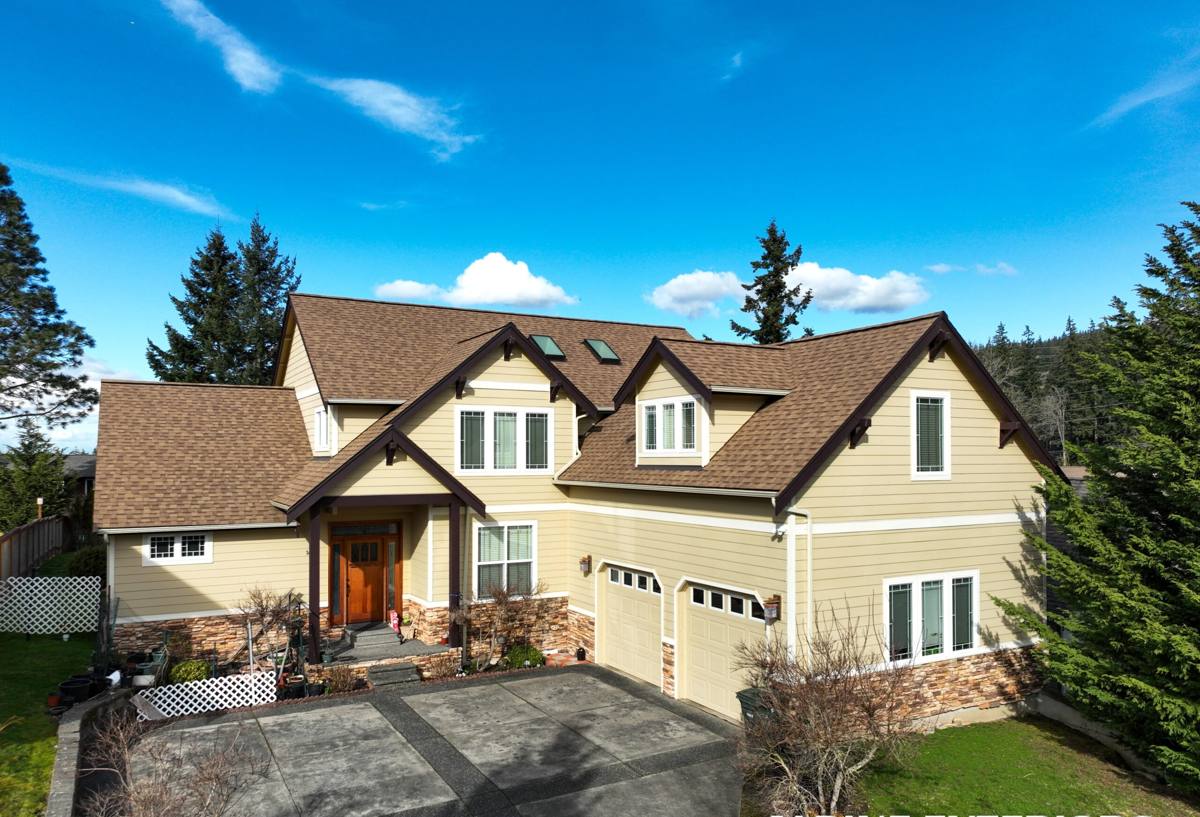
What Cap Sante's Climate Actually Does to Windows
Salt Air
Proximity to the marina and open saltwater means airborne salt settles on every exterior surface, including window frames and hardware. Over years, salt exposure accelerates corrosion on lower-grade metal components, dulls finishes faster than inland exposure would, and can work into seals and weatherstripping. This is why hardware and cladding material choice matters more here than it would on a house a few miles east.
Driving Rain
Wind off the water doesn't just bring rain — it drives it sideways into siding and window openings under real pressure. A window that would stay watertight in a calm, straight-down rain can still leak if the flashing and sill pan weren't detailed for wind-driven water. This is one of the most common failure points we find on older Anacortes homes: not a bad window, but a window installed without proper flashing for the actual wind exposure of the site.
Moss and Damp Season
Anacortes gets a long stretch of gray, wet weather where surfaces stay damp for days at a time. Moss and algae growth around window trim and sills isn't just cosmetic — sustained moisture against wood trim or an improperly sealed frame is exactly the condition that leads to rot over the years. Windows and their surrounding trim need to be able to shed water fast and dry out between rain events, not hold moisture against the building.
Signs Cap Sante Homeowners Should Watch For
- Visible condensation or fogging between the panes of a double-pane window — a sign the seal has failed
- Cold drafts near the window frame even when the window is fully latched
- Soft or discolored trim/sill wood, especially on walls facing the water or prevailing wind
- Hardware (locks, cranks, hinges) that's corroded, stiff, or difficult to operate
- Visible gaps, peeling caulk, or daylight around the frame from the interior
- Noticeably higher heating costs in winter months without another clear cause
- Moss or persistent green staining building up on the sill or trim below a window
Any one of these on its own might be minor. Several together usually means the window and its surrounding envelope are past due for attention.
What a Correct Energy-Efficient Window Job Involves
Replacing a window is straightforward in concept and easy to get wrong in the details. A correct installation for a coastal Anacortes home includes:
Proper Flashing and Water Management
The window opening needs a sill pan and flashing sequence that directs any water that does get past the window itself back out of the wall — not into the framing. This is the single most important detail for a home exposed to driving rain, and it's invisible once the job is done, which is exactly why it's worth asking your contractor about directly.
Air Sealing
Gaps between the window frame and the rough opening are a major source of both drafts and energy loss. Proper low-expansion foam or backer rod and sealant around the perimeter — not just caulk on the exterior trim — is what actually stops air infiltration.
Glass and Frame Selection for Salt Exposure
Frame material and hardware finish matter more here than inland. Vinyl and fiberglass frames generally hold up well against salt air with minimal maintenance. Aluminum-clad wood can look excellent but needs a cladding and hardware finish rated for coastal exposure, or it will show corrosion faster than expected.
Trim and Sealant Details
Exterior trim and caulking need to be detailed so water sheds away from the window rather than pooling on horizontal surfaces, which is where moss and rot start.
Comparing Frame Materials for a Coastal Site
| Frame Material | Coastal/Salt Air Performance | Maintenance | Typical Fit |
|---|---|---|---|
| Vinyl | Very good — won't corrode or rot | Low | Most budget-conscious full replacements |
| Fiberglass | Excellent — very stable, resists salt and moisture well | Low | Homeowners wanting long service life and minimal upkeep |
| Aluminum-clad wood | Good, if hardware/finish is coastal-rated | Moderate | Homeowners prioritizing a wood interior look |
| Bare wood | Requires diligent upkeep in this climate | High | Historic-look projects where upkeep is accepted |
There's no single "correct" material for every home — it depends on your budget, the look you want, and how much upkeep you're willing to do. What matters is going in with eyes open about the trade-off, not discovering it five years in.
Understanding Window Performance Ratings
Energy-efficient windows are rated on a few key numbers, and it helps to know what they mean before comparing quotes:
- U-Factor — measures how well the window resists heat loss. Lower is better for our climate; this is the number that most directly affects your winter heating bill.
- Solar Heat Gain Coefficient (SHGC) — measures how much solar heat passes through the glass. In the Pacific Northwest this is less critical than U-Factor, but it still matters on south- and west-facing exposures.
- Air Leakage (AL) — measures how much air passes through the window assembly itself. Lower is better, and this is separate from installation air-sealing — a good window can still leak air if it's installed poorly.
- ENERGY STAR Northern Climate Zone certification — a useful baseline reference for whether a window is appropriate for our region specifically, rather than a warmer climate zone.
Any reputable window line will publish these numbers. If a quote doesn't include them, ask for them directly.
Our Process for Cap Sante Homes
- On-site assessment — we look at each window's exposure (wind direction, sun, proximity to water), current condition, and any signs of past water intrusion around the openings.
- Product recommendation — we recommend frame material, glass package, and hardware finish based on that specific home's exposure, not a one-size-fits-all package.
- Written estimate — a clear, itemized quote so you know what you're paying for before any work starts.
- Removal and inspection — when we pull the old window, we check the framing underneath for hidden rot or water damage before installing anything new.
- Installation with proper flashing and air sealing — the details that don't show once the job is finished but determine how the window performs for the next 20+ years.
- Final trim and sealant work — finished to shed water correctly and match the home's existing exterior.
- Walkthrough — we go over the finished work with you before we call the job done.
Cost Factors to Understand Before You Get Quotes
| Factor | Why It Affects Price |
|---|---|
| Frame material | Vinyl is typically the most affordable; fiberglass and clad-wood cost more up front but may cost less in long-term maintenance |
| Number and size of openings | More/larger windows mean more material and labor |
| Condition of existing framing | Hidden rot found during removal adds repair scope that a healthy opening wouldn't need |
| New construction vs. retrofit/pocket install | Full-frame replacement (removing old frame down to the rough opening) costs more than a retrofit into an existing, sound frame, but is often necessary on older coastal homes |
| Glass package | Upgraded low-E coatings or gas fills add cost but improve performance |
| Access and site conditions | Second-story or hard-to-reach windows take more labor time |
We're straightforward about which of these apply to your home once we've actually looked at it — broad ranges before an on-site look aren't worth much on a coastal property, because hidden framing condition can change the scope significantly.
Why Local Experience with Cap Sante Homes Matters
A contractor who hasn't worked this specific stretch of the Anacortes waterfront can still install a window competently — but they may not know to plan for the wind-driven rain pattern coming off the strait, or to spec hardware and finishes that hold up against sustained salt exposure, or to recognize early moss and moisture staining as a warning sign rather than a cosmetic issue. Those are things you learn by working houses in this neighborhood over time, not from a product spec sheet.
Working regularly in Skagit County's coastal communities also means we're used to the permitting and inspection expectations for the area, and we understand how Cap Sante's exposure compares to more sheltered parts of Anacortes — which affects both product choice and installation detailing.
Get a Free, No-Pressure Estimate
If your Cap Sante home has windows showing drafts, condensation, sticking hardware, or moisture damage around the trim, it's worth having them looked at before another wet season sets in. We'll assess your home's specific exposure, walk you through honest options, and give you a clear written estimate — no pressure, no obligation. Fill out the form below to get started.