 Anacortes Exterior
 Windows Built for Life on Fidalgo Island
Fidalgo Island sits right where the Salish Sea meets the mainland, and that location shapes everything about how windows perform here. Homes get salt-laden air off the water, wind-driven rain that hits siding sideways during winter storms, and long stretches of damp, low-sun weather that keeps moisture sitting against exterior surfaces longer than it would inland. Add in the moss and algae growth that comes with Skagit County's mild, wet climate, and you have conditions that expose weak window installations fast — sometimes within a single wet season.
A window that's a good match for a drier climate isn't automatically a good match for Fidalgo Island. The frame material, the flashing detail, the sealant choice, and the crew's familiarity with coastal installation all matter more here than they would on a typical inland job. This page covers what that actually means for a Fidalgo Island home, and what we do differently to account for it.
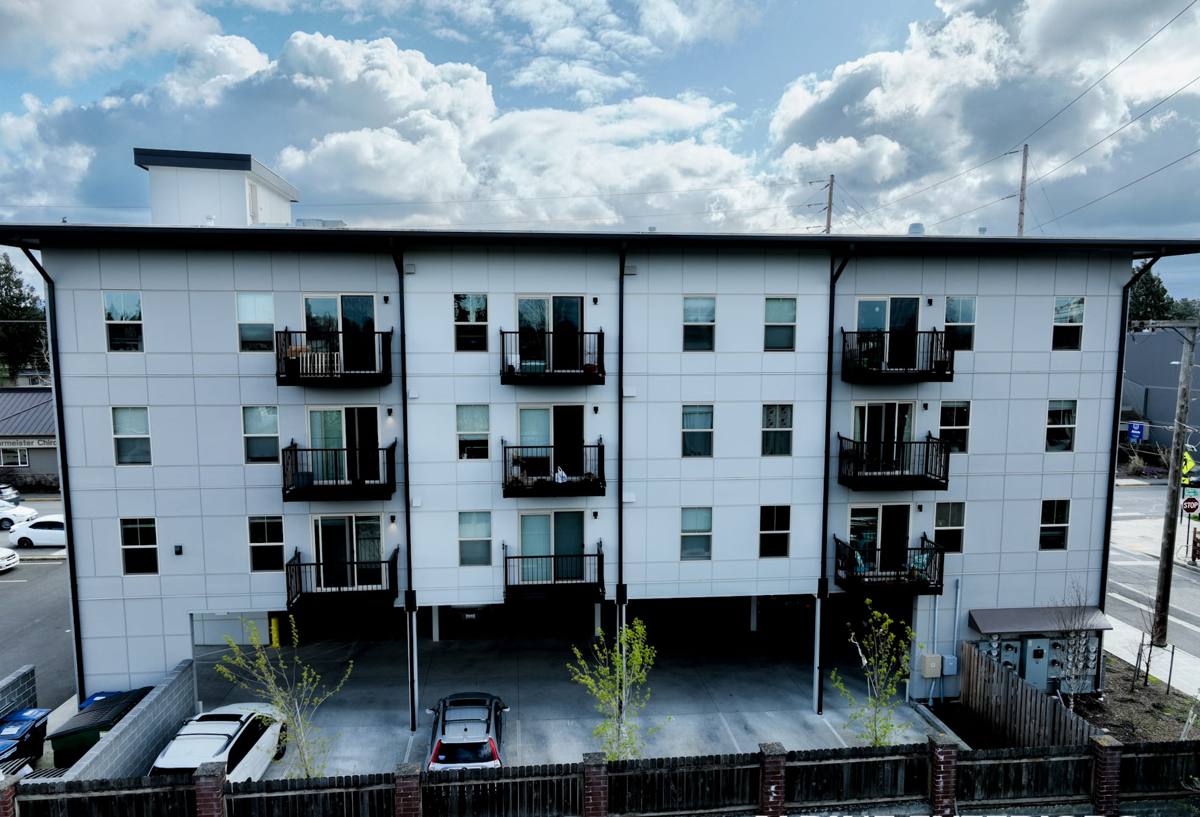
What Salt Air, Rain, and Moss Actually Do to Windows
Salt Air and Corrosion
Airborne salt is abrasive and corrosive. Over years, it can pit and dull certain metal hardware, accelerate the breakdown of some exterior finishes, and work into any gap in a poorly sealed frame. This doesn't mean every window near the water fails — it means material choice and hardware quality matter more, and any exposed metal components need to hold up to salt exposure specifically, not just general weather.
Driving Rain and Water Intrusion
Wind-driven rain doesn't just fall on a window — it gets pushed sideways and upward into any gap that gives it a path. The single biggest cause of window failure we see isn't the window unit itself, it's poor flashing and sealing around the frame during installation. Water that gets behind a window and can't drain back out will rot framing, damage drywall, and grow mold long before anyone notices a problem from outside.
Moss, Algae, and Prolonged Moisture
Skagit County's damp, shaded conditions are ideal for moss and algae growth on north-facing walls, under eaves, and anywhere airflow is limited. Growth on and around a window frame holds moisture against the surface for extended periods, which accelerates wood rot and can stain or degrade some trim materials faster than the sun-exposed side of the same house.
Signs a Fidalgo Island Home Needs Window Attention
Because water damage around windows often starts hidden, it's worth knowing what to look for before a small issue becomes a structural one:
- Soft, spongy, or discolored trim or sill wood around the window frame
- Fogging or condensation between panes on double- or triple-glazed units, indicating a failed seal
- Visible daylight or drafts around the frame when the window is closed
- Difficulty opening, closing, or latching a window that used to operate smoothly
- Peeling paint, bubbling, or staining on interior walls near a window
- Moss or dark streaking building up on the exterior casing or sill
- A noticeable rise in heating costs without another clear explanation
Any one of these on its own isn't necessarily an emergency, but on a Fidalgo Island home they're worth taking seriously — the climate here doesn't give minor issues much time to stay minor.
What a Correct Window Installation Involves
The window product itself is only part of the job. In our experience, most window failures near the water trace back to installation shortcuts, not the window brand. A correct installation on Fidalgo Island includes:
Removing the Old Window Without Damaging the Opening
We remove the existing unit carefully so we can actually see the condition of the rough opening — the studs, sill, and sheathing underneath. This is the point where hidden rot or moisture damage from years of water intrusion gets discovered and addressed, rather than sealed back up behind a new window and left to keep spreading.
Repairing What's Underneath
Any soft or water-damaged framing gets repaired before a new window goes in. Installing a new window over compromised framing is a common shortcut that looks fine for a year or two and then fails.
Proper Flashing and Water Management
This is the step that matters most in a driving-rain climate. Flashing tape and building paper or house wrap need to be layered correctly — top piece overlapping the one below it, like shingles — so any water that does get past the exterior surface drains outward instead of pooling behind the window. We pay close attention to the sill pan detail specifically, since that's where standing water causes the most damage.
Sealing and Insulating the Gap
The gap between the window frame and the rough opening gets insulated and sealed with materials rated for exterior use, not general-purpose caulk that hardens and cracks within a couple of winters. A gap that's insulated but not properly air-sealed will still let drafts and moisture through even though it looks finished.
Exterior Trim and Finish Work
The exterior trim gets caulked and finished in a way that sheds water rather than trapping it, with attention to the joints and corners where moss and algae tend to take hold first.
Choosing a Window Material for This Climate
There's no single "best" window material for every home — it depends on budget, the home's style, and how much maintenance the owner wants to take on. Here's an honest comparison for coastal Skagit County conditions:
| Frame Material | Coastal Performance | Maintenance | Typical Trade-Off |
|---|---|---|---|
| Vinyl | Good — won't rot or corrode; handles moisture well | Low | Fewer color/finish options; can expand/contract with temperature swings |
| Fiberglass | Very good — dimensionally stable, resists moisture and salt exposure well | Low | Higher upfront cost than vinyl |
| Wood (unclad) | Weakest in this climate unless rigorously maintained | High — regular refinishing needed | Classic look, but salt air and rain shorten the maintenance interval |
| Wood-clad (aluminum or vinyl exterior) | Good — protected exterior face, wood interior warmth | Moderate | Clad seams and corners need correct detailing to stay watertight |
| Aluminum | Fair — strong, but prone to condensation and corrosion near salt air without thermal breaks | Moderate | Best reserved for specific architectural needs, not general home use here |
For most Fidalgo Island homes, we steer people toward vinyl or fiberglass for the best balance of coastal durability and low upkeep. We're upfront when a homeowner is set on a material that will need more maintenance in this climate — it's their home and their call, but we'd rather explain the trade-off than let it be a surprise two winters in.
Our Installation Process
- On-site assessment — we look at every window being considered, check the condition of the framing where visible, and talk through what's actually needed versus what can wait.
- Written estimate — clear pricing by window, with product options explained in plain terms.
- Scheduling around weather — we plan installation days with Anacortes' rain patterns in mind so openings aren't left exposed longer than necessary.
- Removal and inspection — old units come out, framing gets checked and repaired as needed.
- Installation — new window set, flashed, insulated, and sealed to shed water correctly.
- Finish work and walkthrough — interior and exterior trim completed, every window opened and checked, and a walkthrough so you know what was done.
What Affects the Cost
Every home and window package is different, so we don't publish blanket per-window prices — but these are the main factors that move the number up or down:
| Factor | Why It Matters |
|---|---|
| Frame material and glass package | Fiberglass and multi-pane, coastal-rated glass cost more than basic vinyl |
| Condition of the existing opening | Rot or water damage found during removal adds repair time before the new window goes in |
| Window size and configuration | Large picture windows, bays, or custom shapes take more labor and material |
| Number of windows | Whole-house replacement typically has a lower per-window cost than one-off jobs |
| Access and story height | Second-story or hard-to-access windows take longer and may need staging |
| Trim and finish work | Matching existing exterior trim or upgrading interior casing adds to the scope |
We give straightforward written estimates before any work starts, so there are no surprises once the job is underway.
Why Hiring a Crew That Already Works Fidalgo Island Matters
Window installation isn't identical everywhere in Skagit County. A crew that mostly works drier, inland conditions may not think twice about a flashing detail or sealant choice that's fine there but inadequate for driving rain off the water. Working Fidalgo Island and the surrounding Anacortes area regularly means we've seen how specific installation choices hold up — or don't — after a few real winters of salt air and storms, not just in a showroom.
It also means we understand the pace of local permitting, know what typically turns up when we open an older Fidalgo Island wall, and can plan installation timing around the weather patterns that actually affect this stretch of coastline. That local experience is part of what you're paying for, not just the window itself.
After Installation: Keeping Windows Performing in This Climate
A correctly installed window still benefits from a bit of seasonal attention in a climate like this one:
- Rinse salt residue off exterior frames periodically, especially on wind-exposed sides of the house
- Clear moss or debris from sills and tracks before it holds moisture against the frame
- Check exterior caulking annually and touch up any cracking before winter rains arrive
- Make sure gutters and downspouts near windows are clear so water isn't sheeting across the glass and frame
- Operate every window a few times a season so hardware doesn't seize from disuse
None of this is complicated, but it's the difference between a window installation that looks good for two years and one that performs for decades on Fidalgo Island.
If you're noticing drafts, moisture, or aging windows on your Fidalgo Island home, we're happy to take a look and give you an honest, no-pressure estimate — just fill out the form below to get started.