 Anacortes Exterior
 Similk Beach's Climate Is Harder on Siding Than It Looks
Similk Beach sits close to the water along Fidalgo Island's shoreline near Anacortes, and that location shapes everything about how a home ages. Homes here take on a mix of conditions that inland Skagit County properties rarely see all at once: salt-laden air blowing off the water, driving rain that comes in sideways during winter storms, and long stretches of shade under mature evergreens that keep north and west walls damp for days at a time. Any one of those factors is manageable. Together, they're the reason siding that performs fine in a drier, sunnier part of the county can fail early on a Similk Beach lot.
We've installed siding across Anacortes and the surrounding Skagit County waterfront long enough to know that a "one size fits all" approach doesn't hold up out here. The material, the detailing, and the sequence of work all need to account for what this specific stretch of shoreline throws at a wall.
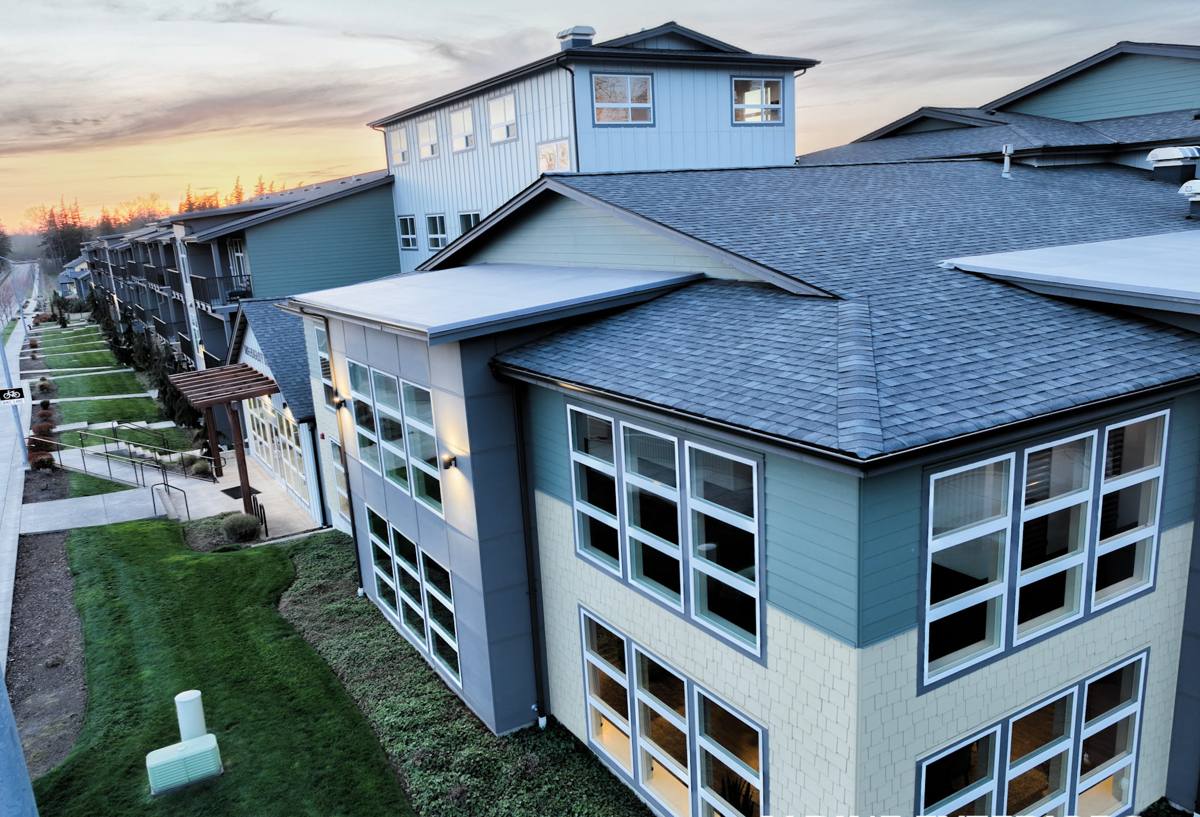
What Salt Air, Driving Rain, and a Long Moss Season Do to a Wall System
Salt air is corrosive to metal fasteners, flashing, and trim if they aren't rated for coastal exposure, and it accelerates the breakdown of finishes that aren't built to hold up in a marine environment. A coating that chalks or fades under normal sun exposure will do it faster here, and exposed metal that isn't properly rated will show rust well before it should.
Driving rain is a different problem. Wind-driven storms off the water push water sideways into seams, laps, and trim joints that would stay dry in a calmer climate. Every joint, seam, and penetration in the siding system has to be detailed to shed water actively, not just rely on gravity and a good caulk job.
Then there's moss. Shaded, moisture-retentive sites like many of the tree-covered lots around Similk Beach support a long moss and algae season — often close to year-round on north-facing walls. Moss holds moisture against the siding surface, and on materials that absorb water or swell, that constant dampness is what triggers rot, delamination, or paint failure. On a material that doesn't absorb water, moss is a cosmetic nuisance you can wash off. On one that does, it's a structural problem waiting to happen.
What a Correct Siding Installation Actually Involves
Regardless of which product goes on the wall, a correct installation in this climate comes down to three things done right: water management, fastening, and detailing at every trim and penetration point.
Water Management Comes First
Before any siding panel goes up, the wall needs a continuous water-resistive barrier installed with proper lapping — upper courses over lower, with all seams sealed or taped. Windows and doors need flashing integrated into that barrier so water is directed out and down, never trapped behind the siding. Skipping this step is the single most common cause of hidden rot on coastal homes, because by the time a problem shows on the surface, the sheathing behind it has often been wet for years.
Fastening and Attachment
Fasteners need to be corrosion-resistant and installed at the manufacturer's specified spacing and depth — not overdriven, not underdriven, and into solid framing. In a salt-air environment, the wrong fastener grade is how rust streaks end up bleeding through paint within a few years.
Trim, Flashing, and Transitions
Every outside corner, window and door surround, and roof-to-wall transition is a place water wants to get behind the siding. Kick-out flashing at roof lines, proper caulking at trim joints (in addition to flashing, never as a substitute for it), and correctly lapped flashing on horizontal trim are what keep a driving rainstorm from finding its way inside the wall assembly.
Why We Install Only James Hardie Fiber Cement on Similk Beach Homes
We made the decision to install James Hardie fiber cement exclusively, and a waterfront community like Similk Beach is exactly the kind of place that decision was made for. Fiber cement doesn't absorb and swell with moisture the way wood-based products do, it doesn't support pest activity, and it's non-combustible — a genuine advantage during Washington's dry-season wildfire smoke and ember exposure, even on the wetter side of the Cascades.
Engineered for This Moisture Zone
James Hardie manufactures its siding in different formulations for different climate zones, and coastal Pacific Northwest locations like Anacortes fall into the higher-moisture HZ5 zone. That means the product installed here is engineered with different moisture and durability performance than what would ship to a dry inland climate. Paired with the factory-applied ColorPlus finish — baked on and warrantied against fading and peeling — it's built for exactly the conditions Similk Beach sees: relentless moisture, salt exposure, and long shaded, damp stretches with heavy moss growth.
How Hardie Compares to Other Siding Options in This Kind of Climate
We get asked why we don't offer vinyl, LP SmartSide, cedar, or primed spruce alongside Hardie. Here's the honest comparison, focused specifically on how each material handles salt air, driving rain, and moss:
| Material | Moisture behavior | Salt air / coastal durability | Moss & shade tolerance |
|---|---|---|---|
| James Hardie fiber cement | Does not swell or absorb like wood-based products | Factory finish engineered for coastal (HZ5) exposure | Moss washes off without damaging the substrate |
| Vinyl | Doesn't rot, but can warp or crack in wide temperature swings | Seams still vulnerable to wind-driven rain intrusion | Removal is fine, but seams trap moisture behind panels |
| LP SmartSide (engineered wood) | Wood-based strand product; cut edges need diligent sealing | Can perform well when maintained, but less forgiving of gaps | Prolonged moss contact is a real risk to a wood-based substrate |
| Cedar / primed spruce | Absorbs moisture readily; needs ongoing refinishing | Salt air accelerates finish breakdown, requiring more frequent recoating | Highest risk category — sustained contact promotes rot |
None of these are "bad" products in the right setting — vinyl and engineered wood both have a place in drier, less exposed climates, and cedar has real aesthetic appeal some homeowners still want. But for the specific mix of conditions on a shaded, water-adjacent lot in Similk Beach, we don't think they hold up as well over the long run as a fiber cement system engineered for coastal moisture exposure, and we'd rather be straightforward about that than sell something we don't stand behind.
Our Installation Process for Similk Beach Homes
Every job follows the same disciplined sequence, adjusted for the specific exposure of the lot:
- Site and wall assessment. We look at sun/shade exposure, prevailing wind and rain direction, existing moisture damage, and how close the home sits to the water.
- Tear-off and sheathing inspection. Old siding comes off and the sheathing underneath gets inspected for rot or soft spots before anything new goes up — this is where hidden problems from a previous installation usually surface.
- Water-resistive barrier and flashing. A continuous barrier goes on with proper laps, and all windows, doors, and penetrations get flashed and integrated into it.
- Furring or rainscreen detailing where called for. On heavily shaded or wind-exposed walls, we evaluate whether a drainage gap behind the siding will help the wall dry faster between rain events.
- Hardie panel or plank installation. Installed to manufacturer spec — correct fastener type, spacing, and clearances at grade, trim, and roof lines.
- Trim, caulking, and touch-up. Factory-finished cut edges get sealed, and all trim transitions are detailed to shed water rather than rely on sealant alone.
- Final walkthrough. We go over the finished work with the homeowner and explain any maintenance basics specific to their lot's sun and moisture exposure.
What Drives Cost on a Similk Beach Siding Job
Every home is different, so we always price off an on-site look rather than a phone estimate — but a few factors tend to move the number more than others on shoreline properties:
| Cost factor | Why it matters here |
|---|---|
| Extent of hidden moisture damage | Shaded, water-adjacent walls are more likely to need sheathing repair once old siding comes off |
| Wall exposure and access | Multi-story sections facing the water or requiring staging add labor time |
| Trim and architectural detail | Corners, window surrounds, and roof transitions all add flashing and finish work |
| Product line and profile | Panel vs. lap siding, and standard vs. premium ColorPlus finishes, carry different material costs |
| Site prep and disposal | Tree cover and limited access on some Similk Beach lots can affect staging and debris removal |
A Homeowner's Maintenance Checklist After Installation
Fiber cement is low-maintenance, not no-maintenance. A little seasonal attention keeps a Similk Beach home looking sharp and catches small issues before they become expensive ones:
- Rinse siding annually — more often on shaded, moss-prone walls — with a garden hose and soft brush; avoid high-pressure washing directly into seams
- Walk the exterior each fall and check caulking at trim joints, window surrounds, and corner boards for cracking or gaps
- Watch for moss or algae buildup on north- and west-facing walls and clean it off before it accumulates for months at a time
- Keep gutters clear so overflow doesn't run down the wall face during heavy storms
- Trim back vegetation that keeps a wall section in constant shade or holds moisture against the siding
- Check that any exterior-mounted fixtures or hose bibs are still properly sealed where they penetrate the siding
Why Local Experience in Similk Beach Specifically Matters
A crew that's worked this stretch of Anacortes shoreline knows things a contractor coming from a drier part of Skagit County simply hasn't had to learn: which wall orientations take the worst of the driving rain, how much shade a given lot really holds through the year, and where moss tends to establish itself fastest. That knowledge shows up in small decisions — where to add extra flashing attention, whether a drainage gap is worth the added step, how aggressive the moss-prone areas need the finish detailing to be — that a generic installation plan wouldn't catch.
It also matters for the practical side of the job: knowing local permitting expectations, being realistic about weather windows for tear-off and install, and having already solved the access and staging challenges that shoreline and tree-covered lots around Similk Beach tend to present.
If your Similk Beach home is due for new siding, or you're seeing early signs of moisture damage, moss buildup, or failing trim, we're happy to take a look and put together a straightforward, no-pressure estimate — just fill out the form below.