 Anacortes Exterior
 Asphalt Shingle Roofing Built for Similk Beach Conditions
Similk Beach sits close to the water on Fidalgo Island, and that proximity shapes everything about how a roof ages here. Homes in this part of Anacortes deal with a combination most inland Skagit County properties don't see in the same intensity: salt-laden air off the water, driving rain that comes in sideways during winter storms, and heavy tree cover that keeps roof surfaces damp and shaded for long stretches of the year. An asphalt shingle roof can perform well in this environment, but only if it's installed and maintained with those specific stresses in mind.
This page focuses on one service in one place: asphalt shingle roofing for Similk Beach homes. Not a general overview of roofing options, and not advice written for a dry inland subdivision. What follows is what we actually look at, install, and check when we're working on a shingle roof in this neighborhood.
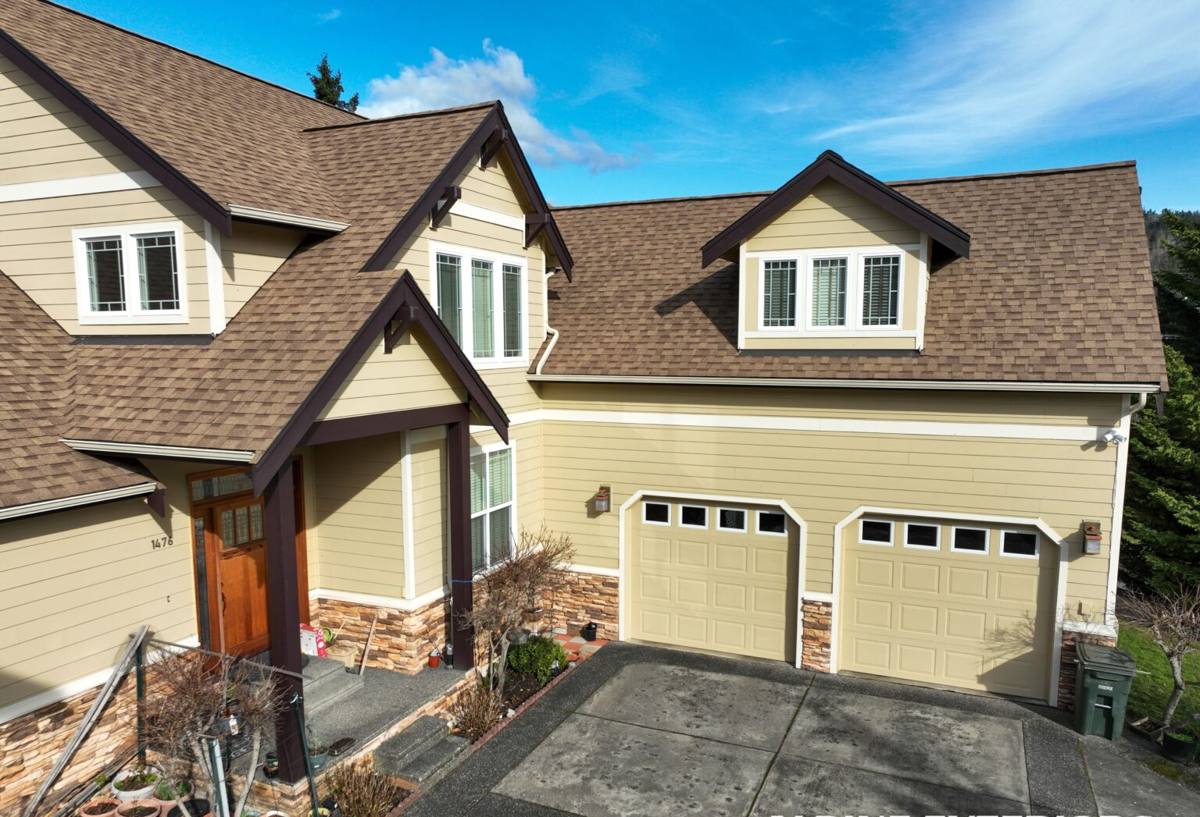
What Similk Beach Roofs Are Up Against
Salt Air and Marine Exposure
Salt-laden air accelerates the breakdown of exposed metal — nail heads, flashing edges, gutter fasteners, and vent caps all corrode faster near the water than they would a few miles inland. On an asphalt shingle roof, the metal components are often the first thing to fail, well before the shingles themselves wear out. That's why the fastener and flashing choices on a Similk Beach roof matter more than they would on a typical Skagit County job.
Moss and Shade
Similk Beach's tree cover is part of what makes the neighborhood appealing, but shaded, wooded lots also mean roof surfaces that don't dry out quickly after rain. Moss and algae take hold on any organic or granulated surface that stays damp, and once moss gets established under shingle tabs, it lifts them slightly and lets water work its way underneath. Anacortes' long moss season — realistically most of the year in shaded spots — means this isn't a one-time cleanup issue, it's an ongoing maintenance factor that has to be planned for from the day the roof goes on.
Wind-Driven Rain
Storms coming off the water don't just drop rain straight down — they push it sideways and upward under eaves, around vents, and into any gap in the flashing. A shingle roof that's fine in a calm, straight-down rain can leak in a wind-driven storm if the underlayment, flashing laps, and edge details weren't built with that direction of water travel in mind.
What a Correct Installation Actually Involves
A roof that's going to hold up in Similk Beach's climate needs more than shingles nailed to plywood. The parts underneath and around the shingles do most of the real work.
Underlayment and Water Barrier
Synthetic underlayment across the full roof deck is the baseline, but the details matter more at vulnerable points — valleys, eaves, and around any penetration. Self-adhered ice-and-water barrier at eaves and valleys gives a second line of defense exactly where wind-driven rain and moss-related water backup are most likely to cause problems.
Ventilation
A roof that can't breathe traps moisture in the attic, and trapped moisture speeds up deck rot and shortens shingle life from underneath — a failure mode that's easy to miss until it's expensive. Balanced intake and exhaust ventilation matters on every roof, but it matters more here because the ambient air is already damp for much of the year.
Flashing Details
Step flashing at walls, proper counter-flashing, and corrosion-resistant metal at chimneys, skylights, and vent pipes are where most roof leaks actually start — not in the field of the shingles. Given the salt air near Similk Beach, we pay particular attention to using flashing metal and fasteners rated for coastal exposure rather than standard-grade material that corrodes faster this close to the water.
Choosing the Right Shingle for This Climate
Not every asphalt shingle product is built the same way, and the differences matter more in a marine, moss-prone climate than they would somewhere dry and inland.
| Shingle Type | How It Performs Near Similk Beach | Best Fit For |
|---|---|---|
| Standard 3-tab | Lower upfront cost, but thinner profile shows wear and algae staining faster in shaded, damp conditions | Budget-conscious projects, secondary structures |
| Architectural / laminate | Thicker, more wind-resistant, and holds up better under the freeze-thaw and wet-dry cycling common here | Most primary homes in this neighborhood |
| Algae-resistant (copper- or zinc-granule) laminate | Granules resist the black streaking and moss growth that Anacortes' shade and moisture encourage | Heavily shaded, tree-covered lots |
| Impact-rated laminate | Higher upfront cost, added durability against wind-blown debris in exposed, waterfront-adjacent locations | Homes with more direct wind and storm exposure |
We'll walk through these options honestly based on your roof's exposure, shade, and budget — there's rarely one universally "right" answer, but there is usually a clearly better one once we've seen the specific site.
Our Process for Similk Beach Roofing Projects
Every roof gets a full assessment before we recommend anything. For asphalt shingle work in this neighborhood, that generally looks like:
- On-site inspection of the current roof, deck condition, ventilation, and flashing points, with particular attention to moss buildup and any metal corrosion from salt exposure.
- A written scope and estimate that spells out underlayment, flashing, ventilation, and shingle product — not just "reroof," so you know exactly what's being done and why.
- Deck repair as needed before shingles go down; a new roof over a soft or rotted deck doesn't hold up regardless of shingle quality.
- Installation following manufacturer specifications for nailing pattern, exposure, and fastener spacing, with coastal-rated metal at flashing points.
- Final walkthrough covering what was done and what routine maintenance — particularly moss management — will keep the roof performing as expected.
Repair or Replace? Signs to Watch For
Not every roof problem in Similk Beach means a full replacement. Here's what we look at when deciding which direction makes sense:
- Isolated moss or algae staining with shingles still lying flat and intact — usually a cleaning and maintenance issue, not a repair.
- Lifted, cracked, or missing shingles in a limited area, especially near valleys or flashing — often repairable if the rest of the roof is sound.
- Granule loss showing bare, shiny patches across large sections — a sign the shingles are past their effective life, not just cosmetically worn.
- Rusted or lifting flashing at chimneys, vents, or walls — sometimes fixable on its own, but worth checking the surrounding shingles for related water damage.
- Soft spots, sagging, or interior staining on ceilings — points to deck or structural moisture damage that needs a closer look before any surface repair.
- Roof age near or past the manufacturer's expected service life combined with any of the above — usually the point where replacement is the more cost-effective call.
Maintenance in a Moss-Prone, Salt-Air Environment
An asphalt shingle roof in Similk Beach needs more attention than the same roof would in a dry inland setting, but the maintenance itself is straightforward. Periodic moss removal — done correctly, without damaging the granule surface — keeps tabs from lifting and water from finding its way underneath. Keeping gutters and valleys clear of needles and debris matters more here because tree cover sheds constantly and clogged channels are exactly where wind-driven rain causes the most damage. And a periodic check of flashing and exposed fasteners for early corrosion catches small metal problems before they turn into leaks. None of this is complicated, but skipping it in this climate shortens a roof's life more than it would elsewhere in Skagit County.
Why a Crew That Already Works Similk Beach Matters
Roofing crews that mostly work drier, inland areas sometimes underbuild for what Similk Beach actually needs — standard-grade flashing metal, minimal ice-and-water coverage, or ventilation specs that assume a drier attic environment. That approach might hold up fine somewhere else, but it tends to show its limits here within a few seasons. Working this neighborhood regularly means knowing which flashing details actually hold up against salt air, which shingle products resist moss better under heavy shade, and where wind-driven rain from storms off the water tends to find weak points. That local knowledge shows up in the details of the work, not just in the sales pitch.
Get a Straightforward Estimate
If you're dealing with moss buildup, an aging roof, or you're just planning ahead for a home in Similk Beach, we're glad to take a look and give you an honest read on where things stand. The estimate is free, there's no pressure, and you'll get a clear explanation of what your roof actually needs — use the form below to get started.