 Anacortes Exterior
 Why March Point Roofs Wear Out Differently
March Point sits out on the water, exposed to wind and moisture coming off Fidalgo Bay and Padilla Bay in a way that homes further inland in Anacortes and the rest of Skagit County don't experience to the same degree. That exposure changes how a roof ages. Salt-laden air accelerates corrosion on exposed metal fasteners, flashing, and vent caps. Driving rain, pushed sideways by wind off the water, finds gaps that would never leak on a calmer site. And the long, wet moss season common across Western Washington tends to hit harder here, because the combination of shade, moisture, and mild temperatures gives moss and moisture-loving growth more months of the year to take hold.
None of this means a March Point roof needs anything exotic. It means the fundamentals — material choice, fastening, flashing, and ventilation — have to be done correctly and with this specific exposure in mind, rather than treated as a generic install.
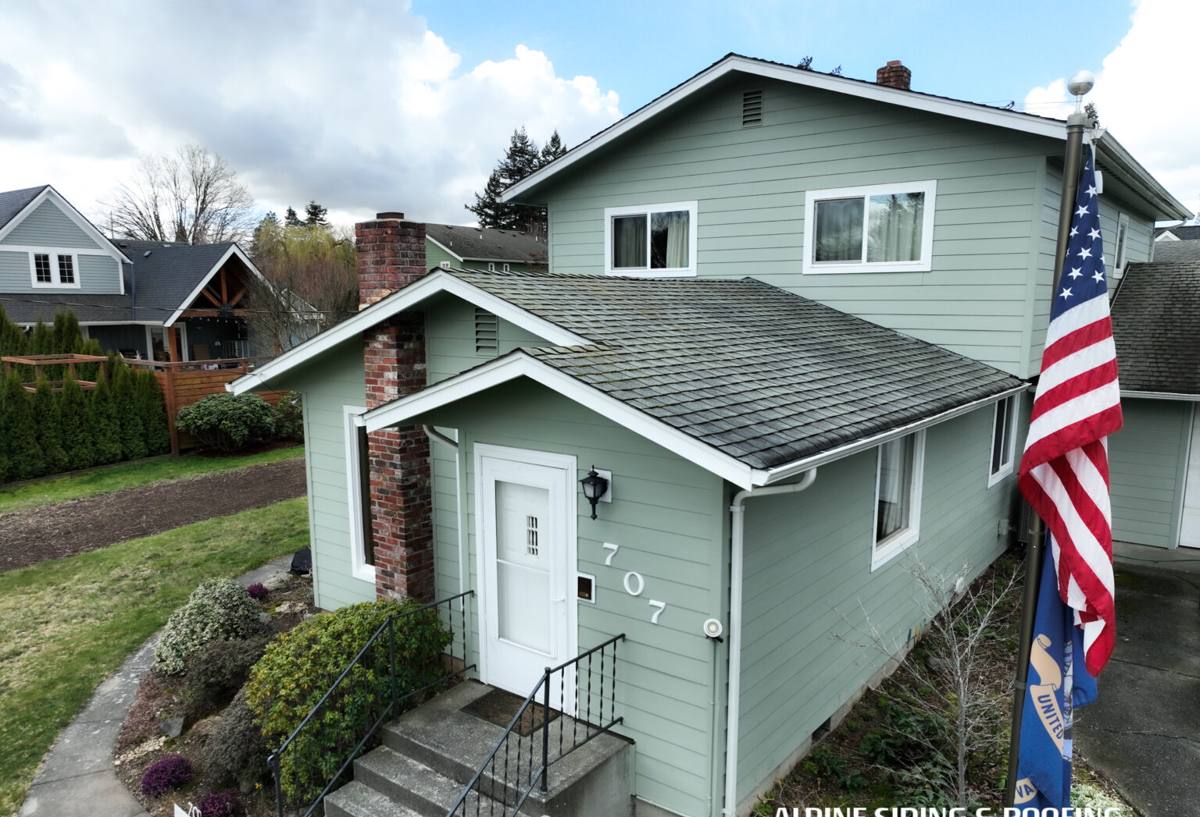
Signs a March Point Home Needs Roof Replacement, Not Another Repair
Roof repairs make sense when the damage is isolated and the roof underneath is still sound. Replacement becomes the honest answer once the underlying materials — decking, underlayment, or the shingles themselves — have aged past the point where patching solves anything for long. Common signs we see on homes in this area include:
- Granule loss heavy enough that you can see bare asphalt on shingles, especially on slopes that catch the most wind-driven rain
- Moss or algae staining that keeps returning within a season or two of cleaning, which usually points to moisture retention under the surface, not just surface growth
- Curling, cupping, or cracked shingles concentrated on one side of the roof, often the side most exposed to prevailing wind off the water
- Rusted or heavily corroded flashing, vent caps, or fasteners — a fast-moving problem in salt air compared to inland homes
- Soft spots in the decking found during an attic inspection, which tells us water has been getting past the surface layer for a while
- A roof approaching or past the end of its expected material life, where the cost of continued patchwork starts to outweigh the cost of doing it right once
A straightforward inspection — from the attic side and the roof surface — usually makes it clear which category a roof falls into.
What a Correct Roof Replacement Actually Involves
A roof replacement is more than swapping old shingles for new ones. The parts that determine whether a roof holds up through another twenty or thirty Anacortes winters are mostly the parts you don't see once the job is done.
Full Tear-Off, Not Overlay
We remove the existing roofing down to the deck rather than layering new shingles over old. Overlaying traps moisture, hides deck problems, and voids most manufacturer warranties. It's also the only way to actually inspect the decking underneath.
Deck Inspection and Repair
Once the old roofing is off, we check the plywood or plank decking for soft spots, delamination, or rot — issues that are common wherever moisture has been getting past aging shingles for a while. Any compromised sections get replaced before anything new goes down, because a new roof over a weak deck fails from the inside out.
Underlayment Built for Wet Climates
Given how much rain this area sees, we use underlayment systems suited to sustained wet exposure, with extra attention to synthetic or self-adhering membrane at eaves, valleys, and other water-concentration points — the areas most likely to see standing or driving water.
Flashing at Every Transition
Chimneys, skylights, sidewalls, valleys, and vent penetrations are where roofs actually leak — not the open field of shingles. Flashing gets replaced, not reused, and detailed to shed water rather than just cover the gap.
Fasteners and Metal Rated for Salt Exposure
On a site exposed to salt air off the bay, we pay closer attention to corrosion-resistant fasteners and flashing metals than we would on a fully inland property. Standard hardware can start showing rust well before the roofing material itself is due for replacement.
Ventilation: The Step That Prevents Moss and Rot From Coming Back
A roof that's properly ventilated dries out faster after rain and stays cooler and less moisture-saturated year-round — both of which slow moss growth and reduce the moisture buildup that leads to deck rot. Poor attic ventilation is one of the most common reasons a roof that looked fine on installation day develops moss or soft decking again within a few years, especially in a shaded, damp environment like this one. As part of replacement, we check intake and exhaust venting and correct imbalances rather than just replacing the roofing surface and leaving the underlying moisture problem in place.
Choosing the Right Material for This Site
There's no single "best" roofing material — the right choice depends on budget, how long you plan to stay in the home, and how much long-term maintenance you're willing to take on. Here's how the common options compare for a marine-exposed, moss-prone property like a March Point home:
| Material | Typical Lifespan | Moss/Moisture Resistance | Salt-Air Durability | Maintenance |
|---|---|---|---|---|
| Architectural asphalt shingle | 25–30 years | Good with proper ventilation and periodic cleaning | Good; use corrosion-resistant flashing/fasteners | Low to moderate |
| Standing seam metal | 40–60 years | Excellent; sheds moss and debris well | Very good with coated/marine-grade panels | Low |
| Composite/synthetic shingle | 30–50 years | Very good; resists moisture absorption | Good | Low |
| Cedar shake | 20–30 years | Requires diligent upkeep to resist moss/rot | Moderate; needs regular treatment | High |
We'll walk through these trade-offs honestly for your specific roof, budget, and how much upkeep you actually want to do — rather than steering everyone toward the same product.
What Drives the Cost of a Roof Replacement Here
Every roof is priced individually after inspection, but the main variables tend to be the same across March Point and greater Anacortes homes:
| Factor | Why It Matters |
|---|---|
| Roof size and pitch | Steeper roofs take longer and require more safety setup |
| Number of layers to remove | Tear-off labor increases with multiple existing layers |
| Deck condition | Rot or soft spots found underneath add replacement material and labor |
| Material choice | Asphalt, metal, and composite carry different material costs |
| Roof complexity | Valleys, dormers, skylights, and chimneys add flashing detail and time |
| Ventilation corrections | Adding or rebalancing intake/exhaust vents adds a modest line item but pays off long-term |
We give a written estimate broken down clearly so you know what you're paying for, not a single lump number.
How Our Process Works
- Inspection. We check the roof surface and, where accessible, the attic side, and give you a straight answer on repair versus replacement.
- Written estimate. A clear, itemized quote covering material, labor, and any deck repair contingencies, with material options explained in plain terms.
- Scheduling around the weather. We plan the tear-off and dry-in around forecasted rain windows rather than leaving a home exposed and hoping.
- Tear-off and deck repair. Old roofing comes off, decking is inspected, and any compromised sections are replaced before anything new goes down.
- Underlayment, flashing, and roofing installation. Installed to manufacturer specification, with extra attention to flashing details and fastener corrosion resistance given the site's exposure.
- Ventilation check. Intake and exhaust venting confirmed or corrected as part of the job, not treated as an afterthought.
- Final walkthrough. We review the finished roof with you, including gutters and any areas prone to debris or moss buildup, before calling the job done.
Questions Worth Asking Before You Hire
- Will you do a full tear-off, or is overlay being offered as a cheaper shortcut?
- Will you inspect and, if needed, replace decking — and how is that priced if problems are found?
- What underlayment and flashing materials are included, and are they suited to sustained wet exposure?
- Will attic ventilation be checked and corrected as part of the job?
- What's covered under workmanship warranty versus manufacturer material warranty, and for how long?
- Are fasteners and flashing metals rated for salt-air exposure, given the site's proximity to the water?
A contractor who answers these clearly, without hedging, is telling you something about how they'll handle the parts of the job you can't see once it's finished.
Why Local Experience on This Site Matters
A crew that has already worked roofs on March Point and around Anacortes knows how this stretch of Skagit County behaves — which slopes take the worst of the wind off the bay, how fast moss reestablishes on shaded roof faces, and where standard hardware falls short against salt air over time. That experience shows up in small decisions during the job: which flashing detail gets extra attention, where ventilation tends to be underbuilt on older homes, and which materials hold up honestly in this environment versus which ones look fine on a spec sheet but demand more upkeep than most homeowners expect. It's the difference between a roof that's installed correctly on paper and one that's built for the specific conditions it has to survive.
Get a Free, No-Pressure Estimate
If your March Point home's roof is showing granule loss, recurring moss, rusted flashing, or is simply getting close to the end of its expected life, we're happy to take a look and give you a straight assessment — repair, replacement, or somewhere in between. Use the form below to request a free estimate, with no pressure and no obligation.