 Anacortes Exterior
 Building Decks for Old Town Anacortes' Marine Climate
Old Town Anacortes sits close to the water, and that proximity shapes everything about how a deck should be built here. Salt-laden air drifts in off the surrounding saltwater almost daily, driving rain comes in sideways during fall and winter storms, and the long, damp Skagit County shoulder seasons keep horizontal surfaces wet for weeks at a time. A deck built with generic, catalog-standard methods will show its age fast in this environment — soft spots in the decking, rust streaks bleeding from fastener heads, and a green film of moss creeping across boards by the second winter. A deck built specifically for this location holds its look and its structural integrity for decades instead of years.
This page focuses on one service, in one neighborhood: deck building in Old Town Anacortes. It's not a generic overview of decks everywhere — it's what we've learned about building them correctly on this stretch of Fidalgo Island.
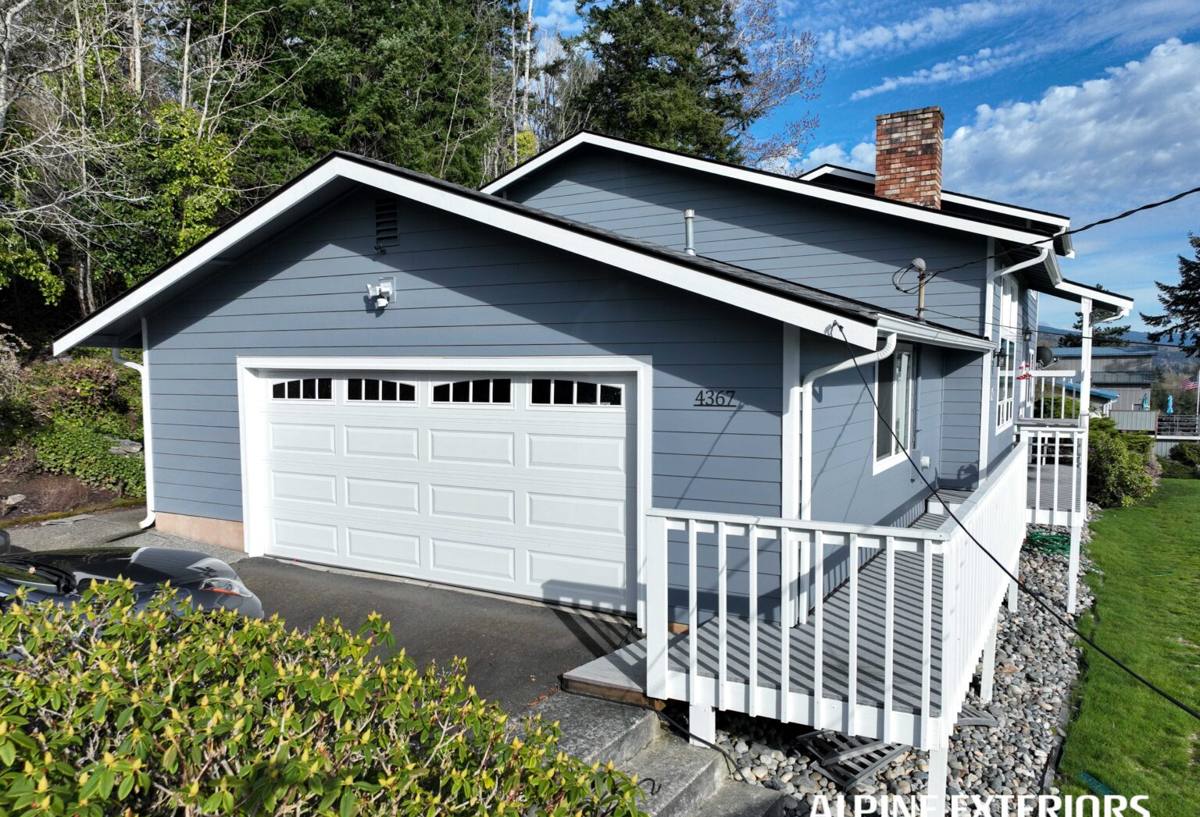
What the Local Climate Actually Does to a Deck
It helps to understand the specific mechanisms at work, because they determine every material and construction decision below.
Salt Air
Airborne salt accelerates corrosion on any exposed metal — fastener heads, joist hangers, railing brackets, structural screws. Once a fastener starts rusting, it weeps rust stains into the surrounding wood or composite and loses holding strength over time. This is the single biggest reason we insist on marine-rated hardware for anything built within Old Town Anacortes, even on projects a few blocks back from the water.
Driving Rain
Storms here don't just fall straight down — wind pushes rain sideways and up under railings, fascia boards, and ledger connections. Any gap, seam, or fastener penetration that isn't properly flashed or sealed becomes a path for water to reach framing lumber. Most of the structural deck failures we see didn't start with bad lumber; they started with water getting somewhere it shouldn't have and sitting there.
The Long Moss Season
Western Washington's damp, low-light stretch from fall through spring is prime growing season for moss and algae on any shaded, poorly drained deck surface. Beyond the cosmetic issue, moss holds moisture against decking and framing, which speeds up rot in wood and can trap grime in composite grain patterns if the boards aren't ventilated properly underneath.
What Old Town Anacortes Homes Specifically Need
Old Town is one of Anacortes' older residential areas, and that brings a few recurring conditions we plan around:
- Older ledger connections: Many homes here were framed decades before current flashing and fastening standards existed. Reattaching or replacing a deck often means correcting an under-built ledger connection at the house, not just building the deck itself.
- Sloped and irregular lots: A number of Old Town properties sit on grades that call for taller posts, engineered footings, or stepped framing rather than a flat, simple rectangle.
- Mature landscaping and tree cover: Established trees and shrubs common in older neighborhoods create shade patterns that keep sections of a deck wet longer, which affects material choice and board spacing.
- Character of the house: Older homes often call for railing and fascia details that read as an addition to the house rather than a mismatched modern add-on.
Decking Material: What Actually Holds Up Here
There's no single "best" decking material — there's a best material for this climate and this budget. Here's how the common options compare for a saltwater-adjacent, high-moisture setting like Old Town Anacortes.
| Material | Moisture Behavior | Maintenance Load | Relative Cost |
|---|---|---|---|
| Pressure-treated fir/hem-fir | Absorbs and releases moisture readily; prone to cupping and checking if not sealed regularly | High — annual cleaning and re-sealing recommended | Lowest |
| Cedar | Naturally rot- and insect-resistant, but still needs sealing to hold color and resist moss in shaded spots | Moderate to high | Mid |
| Capped composite | Doesn't absorb water into the core; resists rot and swelling well | Low — periodic washing, no sealing/staining | Mid to high |
| PVC decking | Fully moisture-resistant; unaffected by standing water or salt spray | Lowest | Highest |
We don't push one product on every job. Real wood has genuine appeal and a lower upfront cost, but it demands a maintenance commitment that not every homeowner wants to keep up with, especially with moss pressure this heavy. Capped composite and PVC cost more upfront but trade ongoing maintenance for upfront cost — a fair trade-off for a lot of Old Town homeowners who want a deck they're not re-sealing every summer. We'll walk through the honest trade-offs for your specific lot, shade pattern, and budget rather than defaulting to whatever's easiest to install.
Framing and Structure: Where Decks Actually Fail
The decking surface is what you see, but the framing underneath is what determines whether the deck is safe and long-lasting. This is where corners get cut on lower-quality builds, and it's invisible until something fails.
Ledger Attachment and Flashing
The ledger board — where the deck attaches to the house — is the single most common point of structural failure in residential decks nationally, and it's made worse here by how much rain this area gets. Correct flashing (metal Z-flashing integrated with the house's water-resistive barrier, not just caulked over) keeps water from tracking behind the siding and into the rim joist. We treat this connection as the most important part of the build, not an afterthought.
Joist Hangers and Structural Fasteners
All structural connectors should be rated for the fastener and load in use, and in a marine-air environment, that means stainless steel or heavy hot-dip galvanized hardware rated for ACQ-treated lumber contact — not standard electro-galvanized hardware that starts rusting within a couple seasons here.
Footings
Post footings need to be sized and set to local frost depth and soil-bearing requirements, and on the sloped lots common in Old Town, that sometimes means engineered footings rather than a standard poured pad. This is one of the areas where a generic deck kit or a crew unfamiliar with the terrain tends to under-build.
Fasteners and Hardware: The Detail Most Crews Skip
This deserves its own section because it's the most common shortcut we see on older or lower-budget deck builds in this area, and it's the reason perfectly good decking ends up streaked with rust within a few years.
| Hardware Type | Standard Grade | Marine-Air Recommendation |
|---|---|---|
| Structural screws/bolts | Electro-galvanized | Stainless steel or heavy hot-dip galvanized |
| Joist hangers/connectors | G90 galvanized | ZMAX or stainless, rated for treated lumber contact |
| Railing hardware | Standard coated | Stainless steel, exposed and structural |
| Hidden fastener clips | Basic composite clips | Corrosion-resistant clips matched to the decking manufacturer's spec |
Railings and Guardrails
Railings take direct salt spray and rain more than almost any other part of the deck, since they're fully exposed and vertical. Whatever railing material you choose, the fasteners and brackets holding it need to be the same corrosion-resistant grade as the rest of the structure — a beautiful cable or glass railing system installed with standard hardware will show rust bleed within a season or two. Guardrail height, baluster spacing, and load requirements are governed by code, and we build to those specs on every job regardless of railing style.
Our Deck Building Process
- On-site walkthrough: We look at the lot's slope, drainage, existing ledger connection (if replacing a deck), sun/shade exposure, and how you actually plan to use the space.
- Material and design conversation: We go over the honest trade-offs between decking materials, railing options, and layout given your budget and maintenance preference.
- Permitting: We handle the permit application and inspection scheduling with the City of Anacortes so you don't have to navigate that process yourself.
- Demolition (if applicable): Old decking, framing, and ledger connections are removed and the house connection point is inspected for hidden rot before anything new goes up.
- Framing and ledger installation: Footings, posts, beams, and joists go in first, with the ledger flashed and sealed to the house's water-resistive barrier.
- Decking and railing installation: Decking is installed with proper spacing for drainage and ventilation, followed by railings and any stairs.
- Final inspection and walkthrough: We schedule the required city inspection and walk the finished deck with you before calling the job done.
Permits and Code in Anacortes
Most new decks and many deck replacements in the City of Anacortes require a building permit, particularly once the deck exceeds a certain height above grade or is structurally attached to the house. Requirements around setbacks, guardrail height, and footing depth are set by the city and Skagit County and can vary by lot, especially on the sloped and irregular parcels common in Old Town. We pull the permit and coordinate inspections as part of the job — it's not an extra homeowners need to chase down separately, and it's not a step worth skipping even on a smaller deck, since an unpermitted structure can complicate a future home sale.
Maintaining Your Deck Once It's Built
Even a correctly built deck needs some seasonal attention in this climate. Here's what we recommend regardless of which material you choose:
- Sweep or blow off leaves and debris regularly, especially in fall — trapped organic material is what feeds moss growth
- Rinse salt residue off railings and decking periodically, particularly after storms with onshore wind
- Check that gaps between boards stay clear so water can drain through rather than pooling
- Inspect the ledger board area annually for any signs of staining, soft wood, or gaps in flashing
- For wood decking, plan on cleaning and re-sealing on a regular cycle rather than waiting until it looks weathered
- Trim back overhanging branches and shrubs that keep sections of the deck shaded and damp
- Watch for rust streaking at fastener heads — it's an early warning sign, not just a cosmetic issue
Why Local Experience Matters for This Job
Deck building isn't complicated in the abstract, but building one that survives Old Town Anacortes' specific combination of salt air, driving rain, and moss pressure takes more than following a generic set of blueprints. A crew that already works this neighborhood knows which lots tend to have drainage issues, which older homes need extra ledger work, and which hardware grade actually holds up a block from the water instead of just on paper. That local knowledge shows up in fewer callbacks, fewer surprises during the permit process, and a deck that still looks and performs well ten winters from now.
If you're planning a new deck or need to replace one that's showing its age, we're happy to come take a look and talk through what your specific lot and home actually need. Reach out for a free, no-pressure estimate using the form below.