 Anacortes Exterior
 Board & Batten Siding in Old Town Anacortes
Board and batten is one of the most recognizable siding profiles in the Pacific Northwest — wide vertical panels with narrow battens covering the seams, giving a home clean lines and a strong, upright look. It shows up on farmhouse-style remodels, Craftsman-era homes getting a refresh, and newer builds that want a coastal, understated exterior. In Old Town Anacortes, where homes sit close to the water and carry real character in their rooflines and porches, board and batten is a natural fit — but only if it's installed with the local climate in mind, not treated as a generic siding swap.
This page covers what board and batten siding needs to hold up in Old Town Anacortes specifically: the moisture and salt exposure this part of Skagit County deals with, what a correct installation actually involves, and why the product and crew you choose matter more here than in a drier inland town.
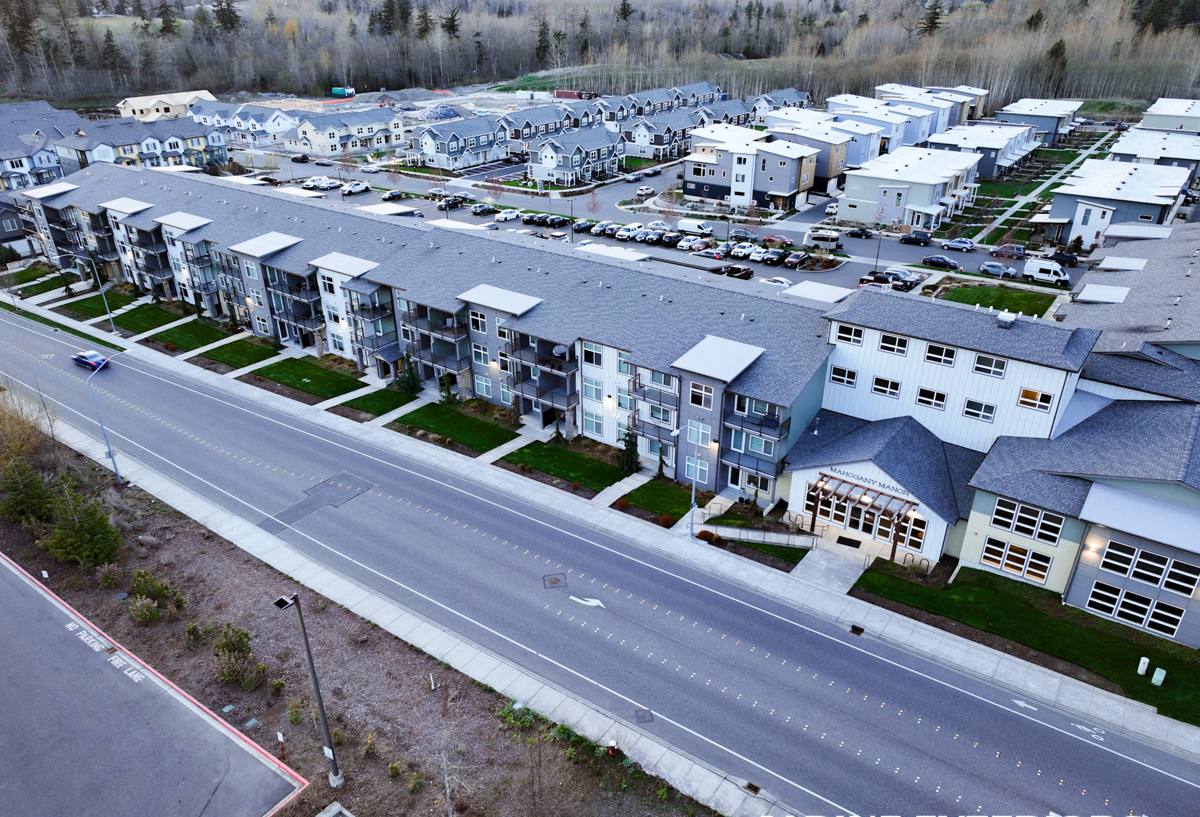
Why the Local Climate Is Hard on Board & Batten
Board and batten has more vertical seams than lap siding, and every one of those seams is a place water can find its way behind the cladding if the installation isn't right. That matters a lot in Old Town Anacortes, where the exterior envelope deals with a few things at once:
- Salt air: proximity to the water means airborne salt settles on siding, trim, and fasteners year-round, accelerating corrosion in anything not built to resist it.
- Driving rain: wind-driven rain off the water pushes moisture sideways into seams and joints, not just straight down, which is exactly the weakness a poorly flashed batten seam has.
- A long moss season: shaded north and west-facing walls in this area stay damp for months at a stretch, and moss and algae take hold anywhere siding can't dry out between rains.
None of this is unique to Old Town Anacortes, but the combination — coastal exposure, mature tree cover on older lots, and a long wet season — is more demanding than what a typical inland Skagit County home deals with. Siding that isn't engineered for it will show moisture staining, soft spots, and paint failure years before it should.
What This Means for a Vertical Profile
Because board and batten relies on vertical joints instead of overlapping horizontal boards, the material itself, the fastening pattern, and the drainage plane behind it all have to work together. A profile that looks identical to a lap-sided home from the curb can behave very differently in a wind-driven rain event if the substructure underneath isn't built for it.
What a Correct Board & Batten Job Involves
A board and batten installation is judged by what's happening behind the boards, not just how straight the battens line up. On an older Old Town Anacortes home, that starts with the wall itself.
Water-Resistive Barrier and Rainscreen
Every board and batten job we do starts with a continuous water-resistive barrier over the sheathing, with a drainage gap behind the siding so any moisture that does get past the cladding has somewhere to go instead of sitting against the wall. On a coastal wall taking driving rain, this drainage plane is not optional — it's the difference between siding that dries out after a storm and siding that stays damp for weeks.
Flashing at Every Penetration
Windows, doors, hose bibs, light fixtures, and vents all interrupt the siding plane, and each one needs proper flashing integrated with the water-resistive barrier — not just caulk. Caulk is a maintenance item, not a waterproofing strategy, and it's one of the most common shortcuts we see on older exteriors in this area.
Fastening and Corrosion Resistance
In a salt-air environment, fastener choice matters as much as the siding itself. Fasteners need to be corrosion-resistant and installed to the manufacturer's spacing and embedment specs — battens fastened through to framing, not just tacked to the panel, so they hold tight through wind and don't work loose over time.
Panel and Batten Spacing
Fiber cement panels expand and contract slightly with temperature and moisture. Gaps at panel ends, corners, and butt joints need to be sized correctly and treated with the right sealant so the assembly can move without opening a path for water.
Material Options for Board & Batten
Homeowners in Old Town Anacortes looking at board and batten usually compare a few materials. Here's an honest look at how they perform in this specific climate:
| Material | Moisture & Salt Air Performance | Maintenance | Longevity Here |
|---|---|---|---|
| James Hardie fiber cement | Engineered for moisture and freeze-thaw cycling; non-combustible; factory-finished ColorPlus resists coastal fading | Low — no repainting on the standard schedule; occasional wash for moss/algae | Decades when installed to spec |
| Cedar board and batten | Handsome but absorbs moisture; prone to cupping, splitting, and rot in sustained damp conditions | High — regular refinishing, sealing exposed end grain, active moss control | Shorter without disciplined upkeep |
| Engineered wood (LP-style) | Vulnerable at cut edges and seams if moisture gets in; manufacturer install tolerances are strict | Moderate — edge sealing and prompt repair of any damage | Depends heavily on installation quality and upkeep |
| Vinyl board and batten | Won't rot, but seams and fasteners can loosen in wind; can look flat compared to a true panel-and-batten profile | Low, but limited repair options if damaged | Moderate; UV and impact resistance vary by product |
This is why we standardized on James Hardie fiber cement and don't install the alternatives. It isn't that cedar or engineered wood can't look good going up — it's that they ask homeowners to take on ongoing maintenance and moisture risk that a coastal, moss-prone neighborhood like Old Town Anacortes doesn't forgive. Hardie's fiber cement is manufactured to resist moisture absorption, doesn't support the same rot pathways as wood-based products, and the ColorPlus factory finish holds its color without the repainting cycle that salt air and UV exposure otherwise force. It's the product we're comfortable standing behind on this stretch of coastline.
Our Process for Old Town Anacortes Homes
We treat every board and batten job on an older or established Old Town Anacortes home as its own project, not a template. That starts with an honest look at what's under the existing siding — old sheathing, prior water damage, or outdated flashing details all change the scope before a single new panel goes up.
- Walkthrough and assessment: we check the existing wall assembly, identify problem areas (rot, past leaks, undersized flashing), and talk through what board and batten will look like on your specific home.
- Written scope: what's being removed, what the drainage plane and flashing details will be, and what product and color we're installing — no surprises once work starts.
- Tear-off and prep: old siding comes off, sheathing is inspected and repaired as needed, and the water-resistive barrier and rainscreen go on correctly the first time.
- Installation to manufacturer spec: James Hardie panels and battens installed with the fastening pattern, gapping, and flashing details the product requires — not a generic "close enough" approach.
- Final walkthrough: we go over the finished exterior with you before calling the job done.
Signs Your Current Siding Needs Attention
If you're in Old Town Anacortes and wondering whether your board and batten (or any siding) needs a closer look, watch for:
- Persistent moss or algae streaking on shaded walls that comes back quickly after cleaning
- Soft, spongy, or visibly warped boards, especially near the bottom of the wall or around windows
- Paint that's peeling or bubbling rather than just fading
- Gaps opening up at seams, corners, or battens that weren't there a year or two ago
- Staining or discoloration around window and door trim
- Visible corrosion or rust streaking from fasteners
Any of these can mean water is getting behind the siding, and on a coastal wall that's exposed to driving rain, it's worth having someone look before it turns into sheathing or framing damage.
Why Local Experience Matters
Board and batten looks straightforward from the street, but the difference between a job that lasts and one that fails early comes down to details most homeowners never see: how the drainage plane was built, how flashing was integrated at every window, and whether fasteners were chosen for a salt-air environment. A crew that works Skagit County's coastline regularly knows what these homes are actually up against — not just in theory, but from doing the tear-offs and seeing what fails and what doesn't. That's the difference between siding that's installed to look right on day one and siding that's built to hold up through another decade of Old Town Anacortes weather.
Get an Estimate
If you're considering board and batten siding for a home in Old Town Anacortes, we're happy to take a look and give you a straightforward, no-pressure estimate. Use the form below to get started.