 Anacortes Exterior
 Why Oak Harbor Siding Wears Differently
Homes in the Oak Harbor area sit close to the water, and that changes how siding ages. A house of the same age and build quality thirty miles inland might still look tight and clean after two decades. Out here, the same siding often shows cracking, staining, and soft spots years sooner. It's not bad luck and it's not always bad installation — it's the environment doing exactly what marine environments do to exterior building materials.
We work this stretch of coastline regularly, from Anacortes and the surrounding Skagit County waterfront out to the islands and communities around it, including Oak Harbor. That means when we're called out for a siding repair, we're not guessing at what's causing the damage. We've usually seen the same failure pattern on a house a few streets away.
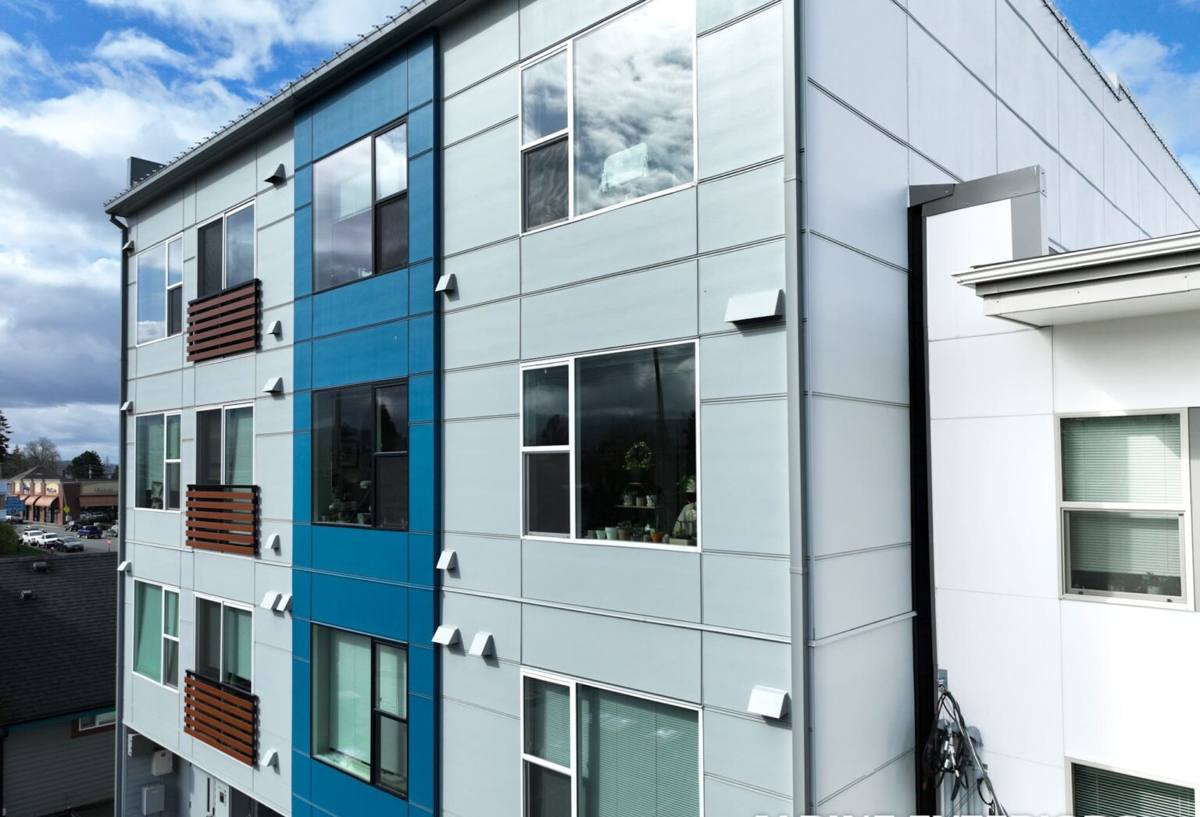
The Telltale Signs You Need Siding Repair
Most homeowners don't call about siding until something is visibly wrong, but the early signs are usually there well before that. Knowing what to watch for can be the difference between a small repair and a much larger one.
- Paint that's bubbling, peeling, or chalking in patches rather than evenly across the whole wall
- Soft or spongy spots when you press on a panel, especially near the bottom courses or around windows
- Visible cracking, splitting, or buckling in individual boards or panels
- Dark streaking, green or black discoloration, or a persistent damp smell near exterior walls
- Gaps opening up at seams, corners, or where siding meets trim, window casings, or the foundation
- Moss or algae holding moisture against the siding surface for weeks at a time
Any one of these on its own might be minor. Several showing up in the same area of the house usually means water has been getting behind the siding for a while, not just sitting on top of it.
Salt Air and Corrosion
Airborne salt from Puget Sound doesn't just sit on the surface — it works into fasteners, flashing, and any exposed metal trim. Over time it accelerates corrosion in nails and screws, which loosens the siding's grip on the wall and lets water find a way in through openings that didn't exist when the house was built. Salt also breaks down paint film faster than it would inland, which is part of why repainting alone rarely solves a real siding problem here.
Driving Rain and Water Intrusion
Storms coming off the water tend to drive rain sideways into walls rather than just falling straight down. Siding systems and flashing details that would be perfectly adequate in a calmer climate can get overwhelmed by wind-driven rain, especially at horizontal seams, window and door trim, and anywhere the original installation cut corners on flashing or caulking.
The Long Moss Season
Wet, mild winters and shaded north- and west-facing walls give moss and algae months to establish themselves. Once moss takes hold on a wall, it holds moisture against the surface long after the rain has stopped, which keeps that section of siding wet far more of the year than the rest of the house. On wood-based products in particular, that sustained moisture is what eventually leads to rot underneath an otherwise intact-looking surface.
Repair or Replace? How We Make That Call
Not every damaged section needs a full re-side, and we're not going to tell you it does. But there's a point where patching becomes false economy — where you're spending real money to delay a replacement that's coming anyway. Here's generally how we think through it.
| Situation | Usually a Repair | Usually a Replacement |
|---|---|---|
| Damage location | Isolated to one wall or a few panels | Spread across multiple sides of the house |
| Underlying structure | Sheathing and framing still sound | Rot has reached the sheathing or framing |
| Cause | Impact damage, a failed seal, one bad section | Systemic moisture intrusion behind the whole wall |
| Existing material | Still available and structurally sound elsewhere | Discontinued, mismatched, or failing as a system |
| Home's age and history | Newer siding, isolated first-time issue | Original siding is decades old with a repair history |
We'll always tell you honestly which side of that table your house falls on, including when a repair is the right call and a full re-side would be overkill.
What a Correct Siding Repair Actually Involves
Diagnosis Before Demolition
The first step is figuring out why the siding failed, not just where. Pulling a few damaged boards without checking what's behind them means you might be covering up wet sheathing or hidden rot instead of fixing it. We check the condition of the water-resistive barrier, the flashing at windows and penetrations, and the framing itself before we decide how much needs to come off.
Matching Materials Correctly
A repair only looks right — and performs right — if the replacement material matches the profile, reveal, and texture of what's already on the wall. Mismatched lap widths or a different surface texture are one of the most common giveaways of a rushed patch job, and they also tend to create small gaps and inconsistencies where water can get back in.
Sealing and Flashing Details
This is where most repair failures actually start, and it's also where a lot of corner-cutting happens because it's invisible once the job is done. Proper repair means correct flashing at every horizontal seam and penetration, the right sealant used in the right places (not everywhere, since siding also needs to breathe and drain), and fasteners rated for a coastal environment.
Why We Rebuild Damaged Sections in James Hardie, Not Whatever's Already There
When we repair a section of siding, we don't install vinyl patches, LP SmartSide, primed spruce, or cedar to match — even if that's what's currently on the wall. We install James Hardie fiber cement, and we tell every homeowner why up front rather than letting them find out later.
Wood-based and engineered wood products depend heavily on paint film and factory sealing to keep moisture out, and in a climate with this much driving rain and a moss season this long, that protection gets tested constantly. Vinyl handles moisture fine on its own but flexes, fades, and can crack or blow off in the kind of wind gusts that come through off the water. James Hardie is non-combustible fiber cement with a factory-applied ColorPlus finish, and it's engineered in HZ product lines specifically for high-moisture, cold-and-wet climates like this one. It doesn't rely on field-applied paint to keep water out, and it holds up to salt air and sustained dampness without the same maintenance burden.
We understand that means a repaired section may not be a perfect twin of forty-year-old cedar lap siding next to it in every case. We'll always walk you through what that looks like on your specific house before we start, and in most cases a well-matched Hardie profile blends in far better than homeowners expect.
Our Process When You Call Us for a Repair
We keep the process straightforward because homeowners dealing with a siding problem usually just want a clear answer, not a sales pitch.
- We come out and inspect the damaged area in person, including checking what's happening behind the siding, not just what's visible from the ground
- We explain what we found in plain terms — what caused it, whether it's isolated or spreading, and what your realistic options are
- We give you a written estimate for the repair, including the material and flashing details we'll use
- We do the work, matching the surrounding siding as closely as the situation allows and correcting any flashing or sealing issues we found along the way
- We walk the finished area with you before we consider the job done
If we find that what looked like a simple repair is actually a symptom of a bigger moisture problem, we'll tell you that plainly instead of patching over it and letting you find out the hard way next winter.
What to Look for When Hiring a Siding Repair Contractor in This Area
Siding repair is easy to do poorly and hard to verify after the fact, since a lot of what matters ends up hidden behind the finished wall. A few things worth checking before you hire anyone for this kind of work:
- Ask whether they'll inspect behind the damaged siding before quoting, not just estimate off what's visible
- Ask what they'll do about flashing and sealing details, not just the visible siding panels
- Ask how they'll match the existing material, and what it will look like if an exact match isn't available
- Confirm they carry proper licensing and insurance for exterior work in Washington
- Ask whether they regularly work in this specific coastal area, since a crew unfamiliar with local moisture and wind patterns is more likely to miss the detail that caused the original failure
- Get the scope of work in writing, including materials, before anything is removed from your walls
Keeping Your Repaired Siding Ahead of the Next Wet Season
A good repair buys you time, but the same conditions that caused the original damage don't go away. A little seasonal attention keeps a repaired wall from becoming a repeat call.
Rinse moss and algae off exterior walls before they get established, especially on shaded sides of the house. Keep gutters clear so water isn't sheeting down the siding during heavy rain. Walk the exterior once or twice a year and look at caulking around windows, trim, and penetrations — sealant is one of the first things to fail in this climate and one of the cheapest things to stay ahead of. And if you notice a soft spot, a new stain, or a section of siding that looks different from the rest of the wall, don't wait a full season to have it looked at.
If you're seeing any of these signs on your Oak Harbor home, we're happy to take a look and give you a straight answer on what it needs. Reach out for a free, no-pressure estimate using the form below.