 Anacortes Exterior
 Siding Repair Built for La Conner's Waterfront Climate
La Conner sits right on the Swinomish Channel, and that waterfront location is part of what makes it beautiful — and part of what makes siding repair here different from a repair job twenty miles inland. Homes in La Conner take on salt-laden air off the water, wind-driven rain that finds every gap in a wall assembly, and a long, damp moss season that keeps north- and west-facing walls wet for weeks at a stretch. Add in Skagit County's mild but persistent humidity, and you have a climate that is patient and relentless with any weakness in a home's exterior.
Siding repair in this environment isn't just about matching a color or patching a hole. It's about understanding how water moves behind the cladding, where salt air accelerates corrosion on fasteners and trim, and why a repair that looks fine on day one can fail again within a season if the underlying moisture path isn't addressed. As an Anacortes-based crew that already works this stretch of Skagit County regularly, we've seen how La Conner's specific conditions show up in siding failures — and we repair accordingly, not with a generic patch-and-paint approach.
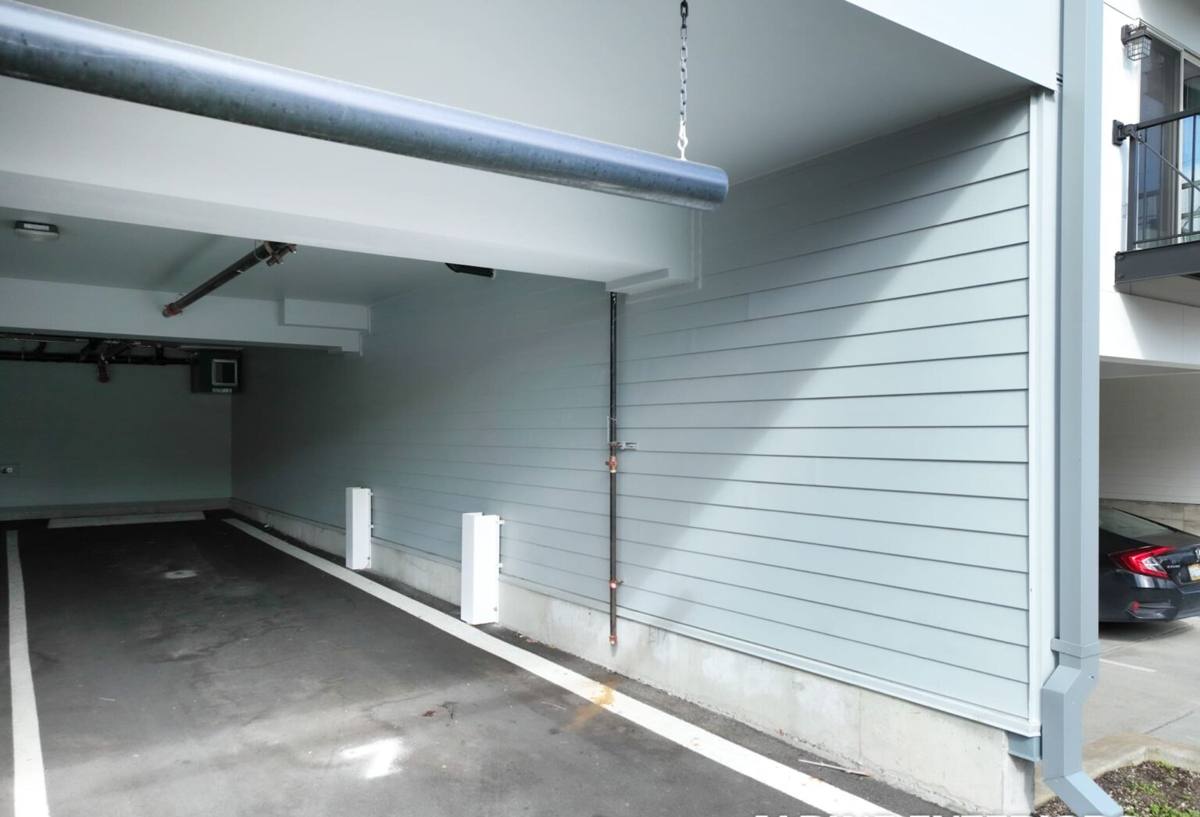
How Salt Air, Rain, and Moss Actually Damage Siding
Salt Air and Corrosion
Airborne salt from the Swinomish Channel and nearby Skagit Bay settles on exterior surfaces and accelerates corrosion of exposed fasteners, metal flashing, and trim hardware. Once a fastener starts to corrode, it loses its grip, siding boards loosen, and small gaps open up that let water behind the cladding. This is a slow process, which is exactly why it goes unnoticed until a board is visibly failing.
Driving Rain and Wind-Driven Moisture
Storms coming off the water don't just fall straight down — wind pushes rain sideways into wall assemblies, seams, and butt joints. Siding systems that aren't detailed correctly at these joints, or that have lost their caulk seal over time, let that wind-driven moisture behind the siding where it can saturate sheathing and framing long before any staining is visible from the outside.
Moss, Algae, and Prolonged Dampness
Shaded and north-facing walls in La Conner can stay damp for extended stretches during fall, winter, and spring. That moisture supports moss and algae growth, which holds even more water against the siding surface. On wood-based products, this creates a cycle of softening, swelling, and eventual rot. On any siding, trapped moss buildup at laps and joints keeps those vulnerable seams wet far longer than they should be.
Signs a La Conner Home Needs Siding Repair
- Soft or spongy spots when you press on the siding, especially near the bottom of walls or under windows
- Visible gaps, cracks, or separation at butt joints and corners
- Peeling or bubbling paint that keeps returning in the same spots
- Dark staining, streaking, or persistent moss growth concentrated on shaded or water-facing walls
- Loose or rattling boards, or fasteners that have backed out or rusted through
- Warping, buckling, or visible waviness along a wall plane
- Musty odors or interior wall staining that suggests moisture is getting behind the exterior
Any one of these on its own might be minor. Several appearing together, especially on the sides of the house that face prevailing weather off the channel, usually means water has been getting behind the siding for a while.
What a Correct Siding Repair Actually Involves
A repair that only addresses the visible surface damage is a repair that will need to be redone. Correct siding repair starts with figuring out why the damage happened, not just patching what's visible.
Diagnose Before You Patch
Before any board comes off, we check moisture content in the surrounding material, look at the condition of the water-resistive barrier and flashing underneath, and trace the damage back to its source — a failed seam, a missing kick-out flashing, a gap at a penetration, or simply age and exposure. Replacing a rotted board without fixing the moisture path behind it just buys a few more years before the same spot fails again.
Match the System, Not Just the Color
Repairs need to match the existing siding profile, reveal, and finish — not just the paint color. On homes with factory-finished siding, this also means matching the coating system so the repaired section weathers at the same rate as the rest of the wall instead of standing out or failing early.
Rebuild the Details, Not Just the Board
Flashing, house wrap or building paper, fastener placement, and caulking at joints all have to be restored to spec — not just re-covered. This is where a lot of lower-quality repairs cut corners, because it's the part nobody sees once the new board is up.
Repair Approaches Compared
| Approach | Best For | Risk If Done Wrong |
|---|---|---|
| Spot patch (caulk, paint touch-up) | Cosmetic issues with no moisture intrusion | Masks early damage without solving it; failure returns within a season or two |
| Board or panel replacement | Localized rot, impact damage, or isolated failed seams | Fails again quickly if the underlying flashing and moisture path aren't corrected |
| Section or wall-plane replacement | Widespread damage on one exposure (often the water- or weather-facing side) | Costly if oversized; risky if undersized and adjacent damage is missed |
| Full re-side | Aging siding nearing end of life, or repeated repairs across multiple walls | Unnecessary expense if the siding material and substrate are still genuinely sound |
Repair or Replace? How We Make That Call
Not every siding problem in La Conner needs a full re-side, and we're not going to tell you it does. The honest answer depends on a few factors:
- Extent of damage: isolated to one or two walls, or spread across the whole exterior?
- Substrate condition: is the sheathing and framing behind the siding still sound, or has moisture reached the structure?
- Siding material: some materials (particularly wood-based products) degrade in ways that make targeted repair less reliable long-term than replacement
- Age of the existing siding: a 5-year-old system with one damaged section is a repair; a 25-year-old system showing failure in multiple places is usually past the point where repair makes economic sense
We'll always give you a straight answer on which category your home falls into, including when a repair is genuinely the right call and a full re-side would be overkill.
Why We Repair and Replace With James Hardie Fiber Cement
When a repair does call for new siding material — whether it's a few boards or a full wall section — we use James Hardie fiber cement, and only James Hardie. We don't install vinyl, LP SmartSide, cedar, primed spruce, or other fiber cement brands, and in a climate like La Conner's, that standard matters more than in a lot of places.
Fiber cement is non-combustible and dimensionally stable, so it doesn't swell, warp, or rot the way wood-based siding can when it stays damp through a long moss season. James Hardie's HZ5 product line is engineered specifically for climates like ours — Pacific Northwest wind-driven rain and marine moisture — and its ColorPlus factory finish is baked on and warranted against fading and flaking, which matters on a wall that's going to face salt air and sun exposure for decades. When we patch a section of Hardie siding into an existing wall, it's also material that ages consistently with what's already there, so repairs blend in rather than becoming a visible mismatch a few years down the road.
We won't pretend every material we don't install is without merit — vinyl is inexpensive and low-maintenance in mild conditions, and wood has real aesthetic appeal. But for the moisture load, salt exposure, and long wet seasons La Conner sees, we've standardized on the product that holds up best under those specific conditions and backs that performance with a strong transferable warranty.
Our Siding Repair Process
- On-site inspection: we check moisture content, flashing condition, and the extent of visible and hidden damage
- Honest diagnosis: we explain what caused the failure and whether a targeted repair, section replacement, or full re-side is the right fit
- Written estimate: clear scope, materials, and timeline before any work starts
- Repair work: damaged material removed, underlying moisture barrier and flashing corrected, new Hardie material installed and finished to match
- Final walkthrough: we confirm the repair meets spec and answer any questions before we consider the job done
What to Expect During a Repair Visit
- Most single-section repairs are completed in one to a few days, weather permitting
- We work around La Conner's rain patterns and won't rush a repair during active wet weather when it compromises the seal
- You'll get a clear explanation of what was found behind the siding, not just what was visible from the outside
- Any flashing, house wrap, or fastener issues we find get corrected as part of the repair, not left for next time
- We clean up debris and old material before we leave
Why Hiring a Crew That Already Works La Conner Matters
Siding repair mistakes in this area usually come from underestimating how aggressive the local climate is — treating a channel-front home the same as one twenty miles inland. A crew that's unfamiliar with La Conner's conditions might patch a board without checking for salt-corroded fasteners nearby, or miss that a north wall's moss buildup is a symptom of a bigger moisture problem, not just a cosmetic issue.
We're based in Anacortes and work throughout Skagit County, including La Conner on a regular basis, so we're not guessing at how this coastline treats a house — we're accounting for it in every repair. That means diagnosing the actual cause of failure, not just replacing what's visibly damaged, and using a siding material engineered to hold up under exactly these conditions.
If you're seeing soft spots, persistent moss, loose boards, or paint that won't stop peeling on your La Conner home, we're happy to take a look. Reach out for a free, no-pressure estimate — we'll tell you honestly what we find and what it would take to fix it right.