 Anacortes Exterior
 Living With Salt Air, Rain, and Moss on Guemes Island
Guemes Island sits just across the water from Anacortes, but the exposure out there is its own animal. Homes get more direct salt air off the surrounding waterways, more sustained wind, and a longer stretch of damp, shaded moss season than a lot of mainland Skagit County properties see. Add in driving rain that comes sideways off the water during winter storms, and siding on Guemes Island earns its keep faster than siding almost anywhere else in our service area.
That combination — salt, moisture, and shade — is hard on paint, hard on caulk, and especially hard on any siding material that depends on a perfect, unbroken paint film to keep water out. Board and batten siding, because of its vertical boards and raised battens, has more edges, more joints, and more places for water to test the assembly than a flat lap siding job. Done right, it holds up beautifully out there. Done wrong, or built out of the wrong material, it becomes a maintenance headache within a few years.
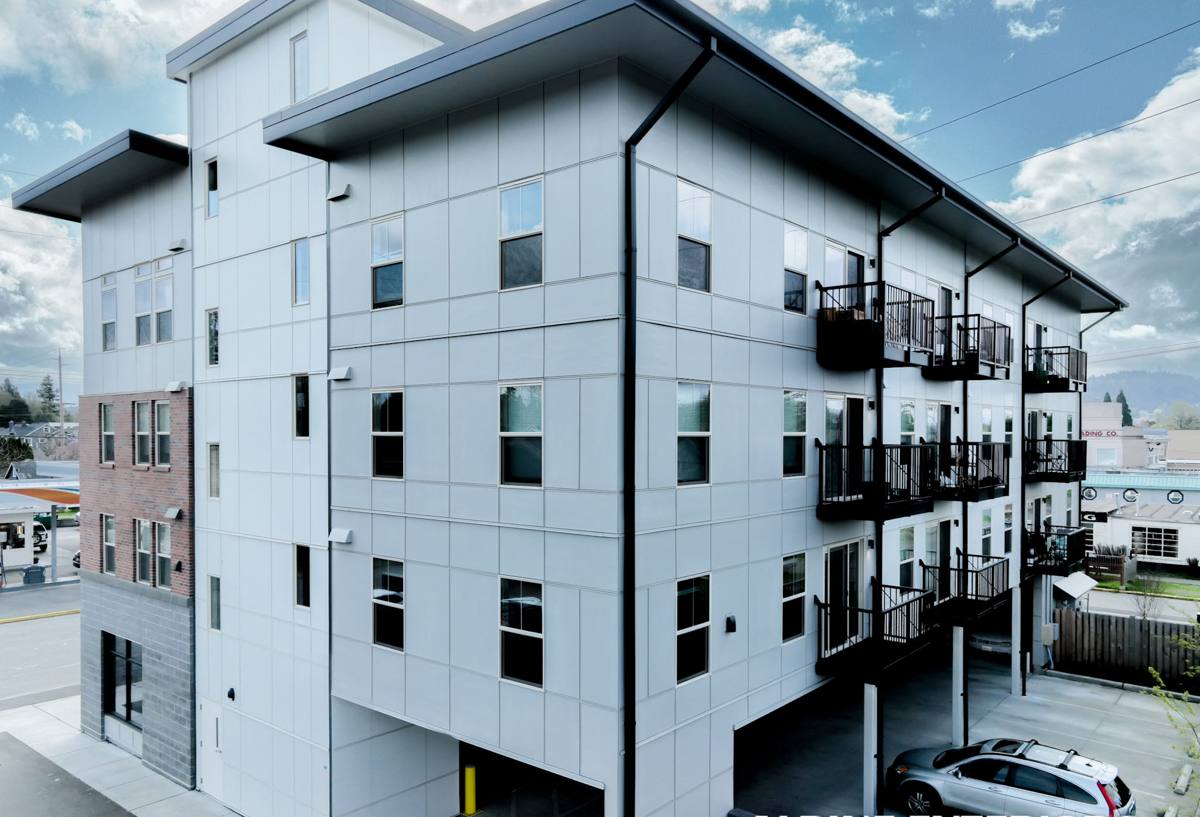
Why Board & Batten Fits Guemes Island Homes
Board and batten has deep roots in Pacific Northwest building — barns, cabins, and waterfront homes have used it for generations, and it reads as honest, unfussy, and at home on an island. On Guemes Island specifically, we see it a lot on newer builds and additions that want that vertical, slightly rustic look, and on remodels where owners are moving away from tired lap siding toward something with more shadow line and texture.
The vertical lines also do something practical: they shed water down and off the wall quickly instead of catching it along a horizontal reveal, which is part of why the style suits a wet climate as long as the underlying assembly is built correctly.
Board & Batten vs. Traditional Lap Siding
| Factor | Board & Batten | Traditional Lap Siding |
|---|---|---|
| Look | Vertical, textured, cabin/coastal character | Horizontal, classic, blends into more neighborhoods |
| Water shedding | Vertical lines move water down and off quickly | Depends on consistent lap and flashing at each course |
| Joint exposure | More vertical seams and batten edges to detail correctly | Fewer joints per square foot; simpler field of exposure |
| Best fit | Modern farmhouse, cabin, waterfront, accent walls/gables | Traditional and craftsman-style homes |
What a Correct Board & Batten Installation Actually Involves
Board and batten looks simple from the street, but it's less forgiving than lap siding if it's installed casually. On a Guemes Island home, we're building an assembly meant to handle wind-driven rain and salt exposure for decades, not just meant to look good the day it goes up.
A correct installation includes:
- A properly lapped and sealed weather-resistant barrier behind the siding, with all penetrations flashed before a single board goes up
- Furring strips or a rainscreen gap where the wall assembly calls for one, so water that gets behind the boards can drain and the wall can dry
- Correct fastener type, length, and spacing into framing or sheathing rated for the load, not just enough nails to hold the board up
- Butt joints and corners flashed and sealed, not just caulked and hoped for
- Battens spaced and fastened so they cover the gap without trapping water behind them
- Factory-finished trim and starter strips detailed correctly at the base of the wall, where splash-back and standing moisture do the most damage
Where Board & Batten Jobs Go Wrong
Most of the board and batten failures we get called out to fix on the island trace back to a handful of shortcuts: no rainscreen gap on a wall that needed one, battens face-nailed straight through into the board below without room to move, caulk used to close a gap that should have been flashed, or a material that simply can't handle standing moisture at the bottom courses. None of these show up on day one. They show up two, five, or ten winters later, usually as soft trim, staining, or paint failure right where the wall meets grade.
Why We Install Board & Batten Only in James Hardie Fiber Cement
We don't install board and batten in vinyl, LP SmartSide, primed spruce, cedar, or other fiber cement brands. That's a standard, not a sales pitch — we made the call after weighing how each of those materials actually holds up on an exposed, salt-air, high-moisture site like Guemes Island over the long run.
Wood species like cedar and primed spruce look great new, but board and batten's extra seams and exposed batten edges mean more places for a wood-based product to take on moisture, cup, or rot if maintenance ever slips — and on an island property, maintenance schedules slip more easily than on a house you drive past every day. Vinyl board and batten is affordable and low-maintenance in the sense that it doesn't need paint, but it's a poor match for the wind exposure and temperature swings out here — it can rattle, bow, or crack, and it can't be repaired invisibly the way fiber cement can. LP SmartSide is a legitimate engineered wood product, but it's still wood-based at its core, meaning its long-term performance depends on caulking and paint film staying intact at every one of those vertical joints, in a climate that's actively working against that film year-round.
James Hardie fiber cement is what we've settled on instead. It's non-combustible, it doesn't rot or delaminate the way wood-based products can, and Hardie's ColorPlus factory finish holds color and resists the kind of fading and chalking that salt air accelerates on field-painted materials. Hardie also engineers its HardieZone products by climate — HZ5, used throughout our wet, mixed Pacific Northwest region, is formulated for the moisture and temperature swings a Guemes Island wall actually experiences. Backed by Hardie's transferable warranty, it's the material we're comfortable standing behind on an install that's this exposed to the elements.
| Material | Where It Struggles on Guemes Island |
|---|---|
| Cedar / primed spruce | Rot and cupping risk at seams and batten edges if paint or caulk maintenance lapses |
| Vinyl | Wind exposure and temperature swings can cause bowing, rattling, or cracking; hard to repair invisibly |
| LP SmartSide | Wood-based core still depends on intact paint film at every vertical joint |
| James Hardie fiber cement | Engineered for this climate (HZ5), factory-finished, non-combustible, backed by a transferable warranty |
Our Process for a Guemes Island Board & Batten Project
Working on the island adds a logistics layer that a mainland Anacortes job doesn't have, and we plan around it instead of letting it slow the job down.
Assessment and Planning
We walk the exterior, check the existing wall assembly and any moisture damage, and confirm what's actually behind the current siding before we quote the work. On an island property, we also factor ferry scheduling into the timeline up front, so material deliveries and crew days are planned around the boat rather than discovered as a surprise mid-project.
Material Staging
Because getting a crew and a full trailer of materials back and forth isn't as simple as driving across town, we stage Hardie boards, battens, trim, and fasteners so we can work efficient, full days on-site rather than making repeat trips for missing pieces.
Tear-Off and Wall Prep
Old siding comes off, the sheathing gets inspected for hidden rot or moisture damage, and any problems get addressed and documented before new material goes up — not covered over.
Weather Barrier, Rainscreen, and Flashing
This is the part of the job that decides whether the siding lasts. We install and lap the weather-resistant barrier correctly, add a rainscreen gap where the assembly calls for one, and flash every window, door, and penetration before the first board goes on.
Installation and Finish
Boards and battens go up to Hardie's fastening and spacing specifications, with corners, joints, and the base of the wall detailed for long-term water management, not just a clean look on install day. We finish with caulking and touch-up where Hardie specifies it, and a full cleanup before we leave the site.
Keeping Board & Batten Looking Good Through Moss Season
Even correctly installed fiber cement siding benefits from a little seasonal attention on Guemes Island, where shaded walls and salt air both push in the same direction.
- Rinse salt film and organic buildup off the siding once or twice a year, especially on walls facing prevailing wind and spray
- Keep gutters clear so overflow doesn't run down the face of the siding and feed moss growth at the top courses
- Trim back vegetation and tree cover that keeps shaded wall sections damp longer after rain
- Check caulking at trim joints and penetrations annually and touch up before small gaps become water paths
- Watch the base of the wall near grade and any splash-back zones, since that's where standing moisture does the most damage over time
Why Hiring a Crew That Already Works Guemes Island Matters
A contractor who's never worked on the island is guessing at things a local crew already knows: what ferry schedule to plan around, how to stage materials so a job doesn't stall waiting on a boat, which wall exposures on the island take the worst of the wind and salt, and how Skagit County's permitting and inspection process works for an island property. That experience shows up in fewer surprises, fewer delays, and a wall assembly built for the specific way weather hits a Guemes Island home rather than a generic mainland install.
What Affects the Cost of a Board & Batten Project on Guemes Island
Board and batten costs more per square foot to install correctly than lap siding, mostly because of the extra labor in battens, joints, and detailing. On Guemes Island specifically, a few other factors move the number:
| Cost Factor | Why It Matters |
|---|---|
| Ferry and logistics | Material delivery and crew scheduling around the ferry affects project timeline and staging |
| Existing wall condition | Hidden rot or moisture damage found at tear-off adds repair scope |
| Wall assembly upgrades | Adding a rainscreen gap or upgrading the weather barrier on an older home adds labor |
| Board and batten detailing | More joints, corners, and battens than lap siding means more labor per square foot |
| Trim and accent scope | Full-house board and batten costs more than using it as an accent on gables or a feature wall |
We walk every project in person before quoting, because the only way to give a homeowner an honest number is to actually see the walls, the exposure, and the existing siding condition first.
If you're weighing board and batten for a home on Guemes Island, we're happy to come take a look and talk through what your specific walls need — no pressure, no obligation. Use the form below to request a free estimate.