 Anacortes Exterior
 Board & Batten on Fidalgo Island: A Style That Has to Earn Its Keep
Board and batten has a long history in the Pacific Northwest, and it's easy to see why homeowners on Fidalgo Island keep asking for it. The vertical lines read as clean and modern on newer builds, and they look right at home on the older farmhouse-style properties scattered around Anacortes and the rest of Skagit County. But board and batten isn't just a look you bolt onto a house. It's a siding system with more seams, more fastener penetrations, and more exposed edges than a standard lap profile — and on an island surrounded by saltwater, every one of those details either protects the wall behind it or eventually lets water in.
We install board and batten on Fidalgo Island homes regularly, and we do it in one material: James Hardie fiber cement. This page walks through what the local climate actually does to this style of siding, what a correct installation looks like, and how our process is built around the specific conditions this part of the island throws at a house.
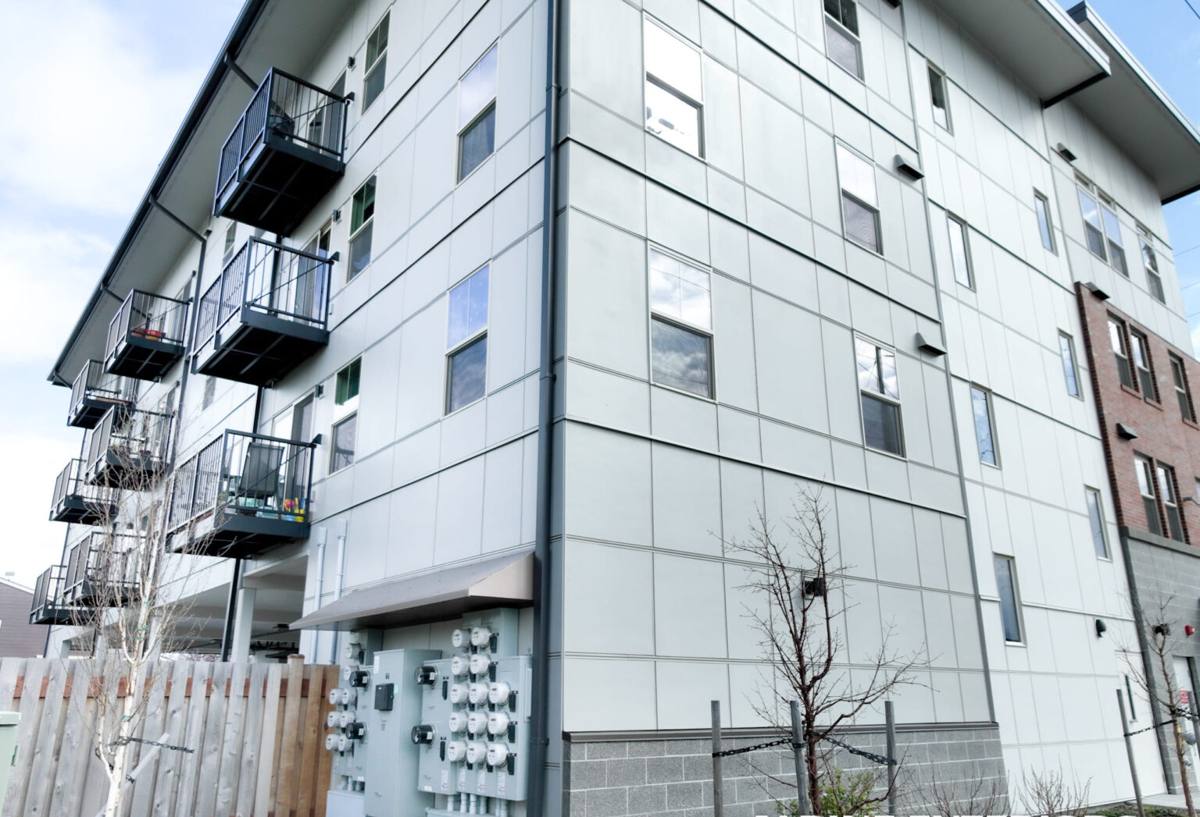
What Fidalgo Island's Climate Does to Vertical Siding
Fidalgo Island sits in the salt air off Rosario Strait and the surrounding waters, and that changes the math on exterior materials. A few things stack up here that don't show up the same way twenty miles inland:
- Salt-laden air accelerates corrosion on fasteners, flashing, and any metal trim components — a slow, constant process that's easy to ignore until it isn't.
- Driving rain off the water hits walls at an angle, not just straight down, which puts real pressure on vertical seams and batten joints that a calmer climate wouldn't test as hard.
- A long moss and algae season, typical of Western Washington's wet, mild winters, means anything that holds moisture against the wall — porous wood, absorbent trim, poor drainage behind the cladding — becomes a growth surface faster than homeowners expect.
- Wind exposure on more open lots near the water adds cyclic stress to fastener points over the life of the siding.
None of this makes board and batten a bad choice for Anacortes. It means the material and the installation details matter more here than they would in a drier, calmer climate.
Why Vertical Profiles Are Less Forgiving Than Lap Siding
Standard horizontal lap siding sheds water downward across overlapping courses — gravity does a lot of the work. Board and batten relies on the batten strips to cover the vertical joints between panels, which means those battens and their fasteners are doing double duty: holding the panel in place and keeping water out of the seam behind them. If the batten spacing, fastening pattern, or flashing detail is off, water finds the path of least resistance and works its way behind the panel instead of running off the face of it. On a site with regular driving rain, that's not a hypothetical — it's the exact condition the system has to be built to handle.
Why We Only Install Board & Batten in James Hardie Fiber Cement
Board and batten shows up in several materials — vinyl, engineered wood like LP SmartSide, primed spruce, cedar, and fiber cement. We don't install vinyl or wood-based battens on this style, and here's the honest reasoning:
Vinyl board and batten expands and contracts significantly with temperature swings, and vertical vinyl panels rely on a lot of exposed seam length. In a marine climate with wind-driven rain, those seams are a weak point, and vinyl has no real fire resistance — a growing concern as wildfire smoke and ember exposure become a more regular late-summer conversation even west of the Cascades.
Wood-based battens and panels — cedar, primed spruce, engineered wood — are organic material. In a climate that stays damp for months at a stretch and grows moss readily, organic siding needs consistent upkeep (repainting, sealant renewal, moisture checks) to avoid rot at the ends of battens and around fastener heads. Some homeowners are genuinely willing to take that on for the natural look. We just don't think it's the right long-term bet for most Fidalgo Island homes, and we'd rather be straightforward about that up front than sell a product we don't want to be responsible for down the road.
James Hardie fiber cement is non-combustible, dimensionally stable across temperature and moisture swings, and factory-finished with ColorPlus technology so the color coat isn't relying on a field-applied paint job to hold up against salt air and UV. Hardie also engineers its siding by climate zone — the HZ5 formulation used in the Pacific Northwest accounts for a wetter, more moderate climate rather than treating every region the same. That's the version of board and batten we're willing to put our name behind on this island.
What a Correct Board & Batten Installation Requires
Board and batten done right on Fidalgo Island isn't just panel-and-batten on the wall. A correct installation includes:
A Drainage Plane Behind the Siding
A rainscreen gap (or at minimum a properly lapped weather-resistant barrier) behind the panel gives incidental moisture somewhere to go and lets the wall assembly dry. In a climate with a long wet season, this is one of the most important details in the whole system — and one of the easiest to skip if a crew is moving fast.
Correct Fastener Type and Placement
Corrosion-resistant, Hardie-approved fasteners driven at the manufacturer's specified pattern and depth — not overdriven, not underdriven, and placed to hit framing, not just sheathing. In salt air, fastener quality isn't a detail you can substitute your way around.
Proper Batten Spacing and Panel Gaps
Panels and battens need the expansion gaps James Hardie specifies, sealed and flashed correctly at every joint, corner, and penetration — not caulked over and hoped for.
Flashing at Every Horizontal Interruption
Window heads, door heads, roof-to-wall intersections, and any horizontal trim board need step or kickout flashing that directs water out and away from the wall assembly, not just a bead of sealant covering the gap.
Common Problems We See on Existing Board & Batten Homes Here
| Issue | Typical Cause | Why It Matters on Fidalgo Island |
|---|---|---|
| Rot or staining at batten ends | No drainage plane, or wood battens without adequate sealing | Long wet season keeps moisture in contact with the material longer than drier climates allow |
| Rust streaking below fasteners | Non-corrosion-resistant fasteners or exposed fastener heads | Salt air accelerates corrosion far faster than inland environments |
| Moss and algae buildup on battens | Poor sun exposure combined with moisture-retentive material | Regional moss season is long; porous materials give it a foothold |
| Cracked or buckled panels | No expansion gap, or panels fastened too tightly | Temperature and moisture swings need room to move |
| Water intrusion at window heads | Missing or incorrect flashing | Driving rain off the water pushes moisture into any unflashed gap |
Our Process for Fidalgo Island Board & Batten Projects
- On-site assessment. We look at the existing wall assembly, exposure to wind and rain direction, and any current moisture or rot issues before recommending anything.
- Material and layout plan. We spec HardiePanel and Hardie trim battens sized and spaced to the home, with a drainage plane built into the plan from the start.
- Tear-off and sheathing check. Old siding comes off and we inspect the sheathing underneath — this is often the first real look anyone's had at the wall in years, and it's where hidden moisture damage shows up.
- Weather barrier and drainage plane installation. Installed and lapped correctly before a single panel goes up.
- Panel and batten installation to manufacturer spec. Correct fastener type, spacing, and expansion gaps throughout.
- Flashing and sealant detail work. Every window, door, and horizontal interruption gets proper flashing, not just caulk.
- Final walkthrough. We go over the finished work with the homeowner before calling the job done.
Maintenance in a Salt Air, High-Moss Climate
James Hardie board and batten is low-maintenance compared to wood alternatives, but "low-maintenance" doesn't mean zero-attention, especially this close to the water. A simple seasonal routine keeps it performing:
- Rinse the siding periodically to clear salt residue and organic buildup before moss gets established
- Check caulking at trim and penetrations annually — sealant is a wear item, even on fiber cement
- Keep gutters clear so runoff isn't sheeting down the face of the siding
- Trim back vegetation and tree cover that keeps battens shaded and damp longer than the rest of the wall
- Have any impact damage or cracked caulking addressed promptly rather than waiting for the next project
Cost Factors for Board & Batten on Fidalgo Island
| Factor | Why It Affects Cost |
|---|---|
| Wall height and complexity | More battens, more joints, more flashing detail on taller or more articulated walls |
| Condition of existing sheathing | Rot repair discovered during tear-off adds scope beyond the siding itself |
| Drainage plane specification | A full rainscreen system costs more upfront than a basic weather barrier, but performs better long-term in this climate |
| Trim and window/door count | Every penetration needs flashing labor, regardless of overall square footage |
| Access and site conditions | Waterfront lots, steep grades, and limited staging area affect labor time |
Why Hiring a Crew That Already Works Fidalgo Island Matters
A lot of siding problems on this island aren't material failures — they're installation shortcuts that a drier, calmer climate might have tolerated. A crew that's used to building in Puget Sound conditions plans for wind-driven rain and salt exposure as a matter of course, not as an afterthought. That shows up in where the drainage plane goes, what fasteners get used, and how much attention flashing gets at every window and door. It's the difference between board and batten that looks good for a few years and board and batten that still looks good in fifteen.
If you're considering board and batten siding for a home on Fidalgo Island or elsewhere around Anacortes, we're happy to take a look at your project and talk through what it would take to do it right. Reach out for a free, no-pressure estimate using the form below.