 Anacortes Exterior
 Why Edison Homes Are Hard on Windows
Edison sits in one of the wetter, windier corners of Skagit County, close enough to open water that salt-laden air is a daily fact of life for anything metal, painted, or sealed with caulk. Add driving rain that comes in sideways during winter storms and a moss season that can run eight months out of the year, and you have a climate that finds every weak point in a window system faster than it would almost anywhere else in Western Washington. Homeowners in Edison don't usually lose windows to one dramatic failure — they lose them slowly, through fogged glass, soft framing, and drafts that show up a few winters after installation.
Energy-efficient windows are marketed everywhere, but "energy-efficient" on a spec sheet and "energy-efficient in Edison" are two different things. A window rated for a dry inland climate can still perform poorly here if it isn't installed with this area's wind-driven rain and salt exposure in mind. This page focuses on what actually matters for a correct, long-lasting window job in this specific part of Skagit County.
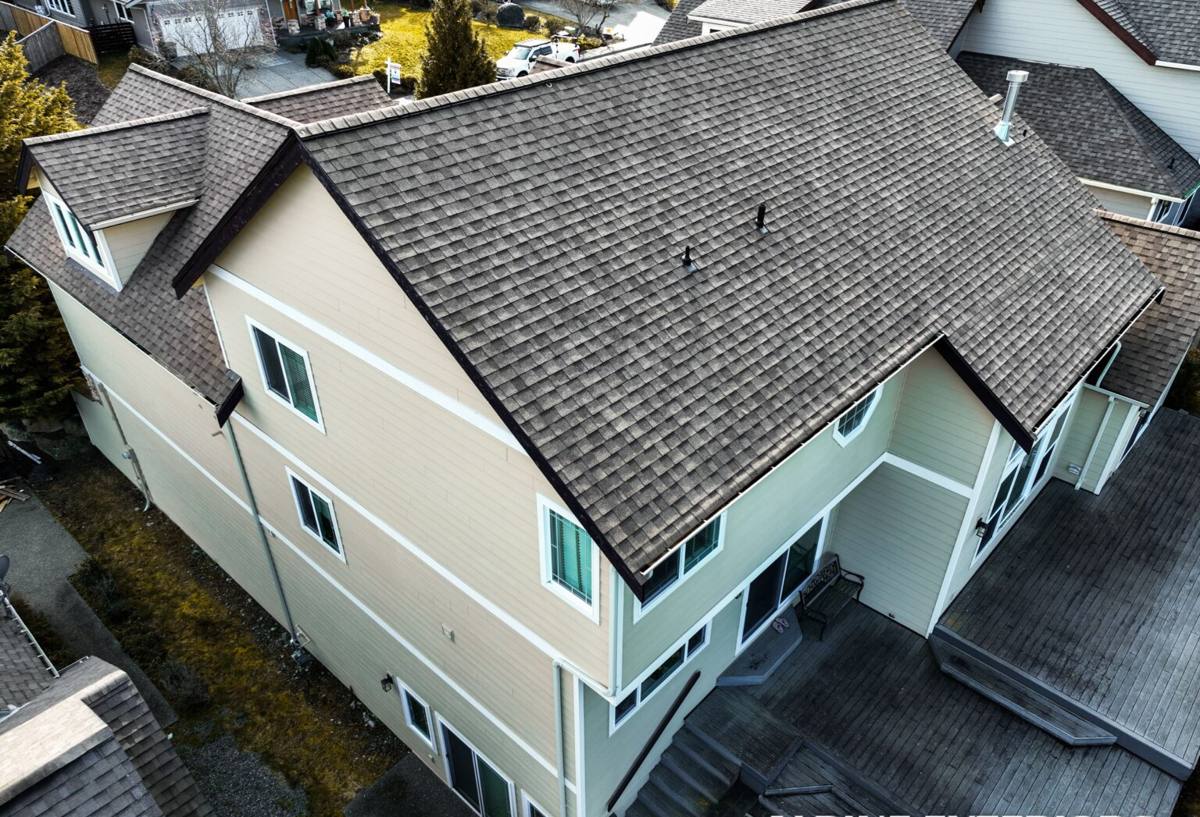
What This Climate Actually Does to a Window
Salt Air and Metal Components
Hardware — hinges, cranks, locks, and especially aluminum or steel components — corrodes faster near open water. Cheaper hardware finishes pit and seize within a few years, which is why the quality of the hardware, not just the glass, matters for anything installed within a few miles of the water.
Driving Rain and Water Intrusion
Storms in this area rarely fall straight down. Wind-driven rain pushes water sideways into the wall assembly, and the window opening is the single most common place for that water to find a way in. Most "failed" windows homeowners call about aren't actually failed units — they're units that were never properly flashed or sealed to shed water in a wind-driven rain event.
Moss, Algae, and Trapped Moisture
A long moss season means anything that stays damp for extended periods — sills, exterior trim, the bottom corners of a window frame — becomes a growth surface for moss and algae if it isn't detailing to drain and dry properly. That trapped moisture is also what quietly rots wood framing and trim from the inside before it's visible from the outside.
What "Energy-Efficient" Means for This Climate
Energy performance on a window comes down to a handful of ratings, and for Edison's climate, two matter more than the rest:
- U-factor — how well the window resists heat loss. Lower is better for our cool, wet winters.
- Solar Heat Gain Coefficient (SHGC) — how much solar heat passes through. Moderate values generally work best here, since Western Washington doesn't need aggressive solar blocking the way hotter climates do.
- Air leakage rating — critical in a wind-driven rain climate, since air leakage paths are often the same paths water uses to get in.
- Condensation resistance — a big one for coastal Skagit County homes, where interior humidity plus cool glass surfaces can cause persistent fogging and moisture damage at the sill.
Look for the NFRC label on any window you're considering — it's the only way to compare these numbers on an apples-to-apples basis instead of relying on marketing language.
Glass Package Comparison
| Glass Option | Best For | Trade-Off |
|---|---|---|
| Standard double-pane, Low-E | Most Edison homes; solid value | Slightly less insulating than triple-pane |
| Double-pane, Low-E with argon fill | Homes wanting better performance without the cost jump to triple-pane | Argon can diminish slowly over decades |
| Triple-pane | North- and west-facing walls that take the brunt of storms | Heavier sashes, higher upfront cost |
| Laminated/impact glass | Homes with debris exposure or added sound/security needs | Added cost, not necessary for most homes |
Framing Material: What Holds Up Near the Water
The frame material matters as much as the glass in a salt-air, high-moisture climate. Here's how the common options actually perform in this environment, based on how they hold up to moisture and salt exposure over time — not brand marketing:
| Material | Moisture/Salt Performance | Maintenance |
|---|---|---|
| Vinyl | Doesn't corrode or rot; performs well near the coast | Low — occasional cleaning |
| Fiberglass | Excellent — stable in wide temperature swings, resists moisture | Low |
| Wood-clad (vinyl or aluminum exterior) | Good if the cladding and seals stay intact; wood core is vulnerable if water gets behind the cladding | Moderate — depends on seal integrity |
| Solid wood | Requires diligent upkeep in this climate; prone to rot and moss growth if neglected | High |
| Aluminum | Conducts cold and can corrode faster in salt air unless it's a marine-grade finish | Moderate |
We don't rule out wood or aluminum outright — some homes call for the look or the performance profile they offer — but we're upfront with Edison homeowners about the added maintenance discipline those materials require this close to open water. For most replacement projects here, vinyl or fiberglass ends up being the lower-maintenance, better-value choice over the life of the window.
Why Installation Matters More Than the Product
A high-end window installed poorly will leak, fog, and underperform. A mid-range window installed correctly will outperform it for decades. That gap is bigger in Edison than in drier parts of the state because of the wind-driven rain. The details that actually determine whether a window job holds up here are mostly invisible once the trim goes back on:
Sill Pan Flashing
A sloped, sealed sill pan under the window gives any water that gets past the exterior seal somewhere to go — out, not into the wall cavity. This is one of the most commonly skipped steps in budget window jobs, and it's the one that matters most in a driving-rain climate.
Integration With the Water-Resistive Barrier
The window's flashing needs to be properly layered — shingle-style — into the house wrap or building paper above and below the opening, so water is always directed outward and downward, never trapped behind the siding.
Sealant Selection and Placement
Not every gap should be sealed. Some need to stay open to let any incidental moisture drain and dry out. Sealing the wrong joint can trap water instead of keeping it out — a mistake that shows up as rot a year or two later, not on installation day.
Shimming and Squaring
A window that isn't shimmed level and square will bind, won't seal against its own weatherstripping correctly, and will leak air and water at the corners regardless of how good the unit itself is.
Our Process for an Edison Window Job
- On-site assessment — we check existing framing condition, look for signs of past water intrusion or rot, and evaluate sun/wind exposure for each elevation of the house.
- Product recommendation — we walk through frame material and glass package options based on your budget, the specific wall's exposure, and how the window fits the rest of the home.
- Removal and inspection — once the old unit is out, we inspect the rough opening for hidden rot or moisture damage before anything new goes in. This is often where problems from a prior installation surface.
- Flashing and sill pan installation — done correctly and in the right sequence, every time, regardless of which product is going in.
- Window installation, shimming, and sealing — set level, plumb, and square, then sealed with the right materials in the right locations.
- Interior and exterior trim-out — finished to match the home, with attention to keeping any exterior trim details free of moisture traps that invite moss.
- Final walkthrough — we test operation, check seals, and confirm everything is draining and functioning before we call the job done.
Signs Your Current Windows Are Already Failing
- Fogging or a milky haze between panes — the seal has failed and the insulating gas or air gap is compromised
- Soft or spongy wood at the sill or lower corners of the frame
- Visible moss or dark staining on the sill, trim, or lower frame
- Noticeable draft near the frame during windy weather
- Windows that are hard to open, close, or lock — a sign the frame has shifted or swollen
- Rising heating costs without a clear explanation elsewhere in the home
- Condensation on the interior glass or sill during cold, wet stretches
Maintenance That Extends Window Life Here
Even a correctly installed window benefits from basic upkeep in a climate like this one. Rinsing salt residue off exterior frames and glass periodically, keeping gutters and downspouts clear so water isn't sheeting down across window heads, and clearing moss or debris from sills before it holds moisture against the frame all go a long way. None of this is complicated, but it's the kind of maintenance that's easy to skip until the long moss season has already done its damage.
Why a Crew That Already Works in Edison Matters
Window performance in this climate isn't just about the product — it's about installation habits built around what actually happens here: which direction the wind-driven rain typically comes from, how fast moss establishes on north-facing trim, and how salt air shortens the life of the wrong hardware finish. A crew that works Edison and the surrounding Skagit County area regularly brings that judgment to your job by default, rather than treating your home like the first coastal install they've done. That local familiarity is what shows up years later as a window that still opens smoothly, still seals tight, and hasn't needed early repairs.
If your windows are drafty, fogged, or just due for an honest evaluation, we're happy to take a look and talk through real options for your home. Request a free, no-pressure estimate using the form below — we'll walk the exterior, answer your questions, and give you a straightforward read on what your Edison home actually needs.