 Anacortes Exterior
 Building a Deck That Actually Holds Up in Similk Beach
Similk Beach sits close to the water on Fidalgo Island, and that proximity shapes everything about how a deck should be built here. A deck in this part of Skagit County isn't just dealing with rain and sun the way an inland deck might. It's dealing with salt-laden air coming off the surrounding waterways, long stretches of driving rain through the fall and winter, and a moss season that can run from October well into spring. None of that is unusual for this stretch of the Salish Sea, but it does mean the materials, fasteners, and construction details that work fine elsewhere in Western Washington sometimes fall short here.
This page is about deck building specifically for Similk Beach conditions — what the climate actually does to a deck over time, what a correctly built deck looks like in response, and what our process looks like when we take on a project in this area.
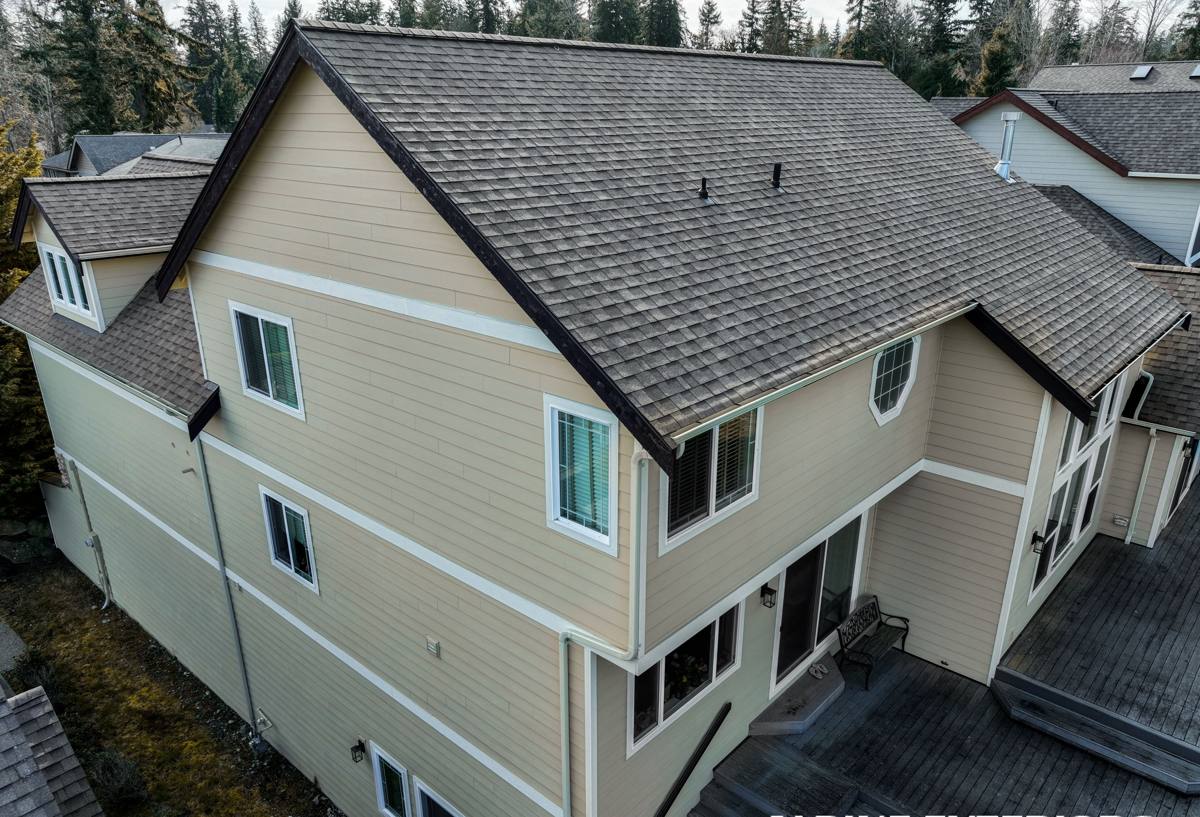
What Salt Air, Rain, and Moss Actually Do to a Deck
Corrosion You Can't See Until It's a Problem
Salt air doesn't need to be right on the beach to cause trouble — it travels on the wind and settles on everything, including the metal parts of a deck that homeowners rarely think about: joist hangers, structural screws, post bases, and the bolts holding a ledger board to the house. Standard zinc-coated hardware that's fine in a dry inland climate can start corroding within a few years this close to salt water. The problem is that this kind of corrosion often happens from the inside of a connection outward, so a deck can look solid on the surface while its structural hardware is quietly weakening underneath.
Moisture Trapped Where Boards Meet
Anacortes gets a lot of driving rain off the water, and it doesn't fall straight down — wind pushes it sideways into board gaps, under railings, and against the house where the ledger board attaches. Any spot where water can collect and not dry out quickly becomes a rot risk. This is especially true at the ledger connection, which is the single most common place we find hidden decay on older decks in this area.
Moss and Algae Buildup
Similk Beach's tree cover, shade, and near-constant winter moisture add up to a long moss season. Moss on decking isn't just a slip hazard — it holds moisture directly against the wood surface for weeks at a time, which accelerates both rot and finish breakdown. A deck built without moss in mind will need far more frequent attention to stay safe and look decent.
Choosing Decking Material for a Similk Beach Lot
There's no single "best" decking material for every home — it depends on budget, how much maintenance a homeowner is willing to do, and how close the lot sits to open water or exposed wind. Here's how the common options actually compare under these specific conditions.
| Material | Moisture & Salt Air Behavior | Maintenance Needed | Relative Upfront Cost |
|---|---|---|---|
| Pressure-treated wood | Resists rot when properly sealed and maintained; end cuts and fastener holes are vulnerable points | Annual cleaning and periodic re-sealing | Lowest |
| Cedar | Naturally rot-resistant but softer; needs consistent finish maintenance to hold up to driving rain | Regular sealing/staining, more frequent than PT wood | Moderate |
| Composite decking | Doesn't rot or absorb water into the board itself; can still trap moisture and grow moss on the surface if gaps aren't kept clear | Periodic washing, no sealing | Moderate to higher |
| PVC/capped polymer | Fully moisture-resistant board core; best performance in wet, salt-exposed settings | Occasional washing only | Highest |
For most Similk Beach homes, the decision comes down to how much upkeep the homeowner actually wants to do. Wood costs less to install but demands more attention to stay ahead of this climate. Composite and PVC cost more up front but hold up with less intervention — which matters on a deck that's going to spend most of the year wet.
The Framing and Substructure Decisions That Matter Most
Decking material gets most of the attention, but the framing underneath is what actually determines how long a deck lasts in this environment. A few details matter more here than they would inland:
Footings and Post Bases
Footings need to be set below frost depth and sized for the soil conditions on the specific lot — sloped, wooded sites common around Similk Beach often need more thought here than a flat inland yard. Post bases should hold posts up off the concrete rather than letting them sit in standing water after a storm.
Ledger Flashing
Because the ledger connection is where we most often see rot on older decks, proper flashing at that joint isn't optional — it's the single detail that does the most to keep water out of the house's rim joist and out of the deck's main structural connection.
Hardware Grade
Given the salt exposure here, we treat stainless steel or hot-dip galvanized hardware rated for coastal/corrosive environments as the standard, not an upgrade, on structural connectors, fasteners, and any hardware that can't easily be inspected or replaced later.
Drainage and Slope
Decking should be built with a slight slope away from the house and gapped correctly so water sheds rather than pools. On a deck that sees this much rain, poor drainage shows up as premature wear within just a few seasons.
Fasteners, Railings, and Hardware Built for Coastal Exposure
Railings and fasteners take a lot of the same punishment as decking but get replaced far less often, so it's worth getting this right the first time. Coated deck screws that aren't rated for corrosive exposure can start showing rust streaks down the face of boards within a couple of years this close to the water — which is both a cosmetic problem and a sign the fastener itself is degrading. Cable railing systems look clean but need periodic tensioning and cable inspection in a salt-air environment. Powder-coated aluminum railing tends to hold up well with minimal upkeep, while painted or stained wood railing needs the same finish discipline as wood decking. We select hardware and railing components based on what the specific project and budget call for, but we don't cut corners on fastener grade just to save a small amount up front — it's the most common source of early failure we see on decks in this area.
Permitting and Site Factors Specific to This Area
Deck permitting in Skagit County depends on the deck's size, height, and location on the lot, and Similk Beach adds a few wrinkles worth knowing about before starting a project:
- Lots near Similk Bay or other shoreline areas can fall under critical area or shoreline setback rules that affect how close a deck can be built to the water's edge
- Sloped and wooded lots, common throughout this area, often require more careful footing and grading plans than a flat lot would
- Tree cover that keeps decks shaded also slows drying time after rain, which is worth factoring into material choice and framing gaps during design, not after the fact
We handle the permitting conversation with the county as part of the project rather than leaving it for the homeowner to sort out, since getting this wrong can delay a build by weeks.
How We Approach a Similk Beach Deck Project
Our process doesn't change dramatically from one job to the next, but every step gets filtered through what this specific climate and site conditions demand:
- Site visit to assess the lot's slope, drainage, sun/shade exposure, and proximity to water
- Design and material discussion based on budget, maintenance preference, and the site's specific exposure
- Permitting through Skagit County, including any setback or critical area review the lot requires
- Removal of the old deck if this is a replacement, with an honest look at what the old framing tells us about how the site behaves over time
- Footings, framing, and ledger flashing, using coastal-rated hardware throughout
- Decking installation with correct spacing and slope for drainage
- Railing and finish work
- Final walkthrough covering how to maintain the specific materials used
Maintenance That Actually Matters Here
A well-built deck in Similk Beach still needs some seasonal attention — this climate doesn't allow for a "build it and forget it" deck, regardless of material. The maintenance that actually moves the needle:
- Rinse salt residue off decking and railings periodically, especially after windy weather off the water
- Keep board gaps clear of leaves, needles, and debris so water and air can move through
- Remove moss as soon as it appears rather than waiting for it to spread across boards
- Check and re-tighten fasteners and railing connections annually
- Inspect ledger flashing and any spots where the deck meets the house at least once a year
- Re-seal or re-stain wood decking on the schedule the product calls for — don't stretch it because it "still looks fine"
Why Hiring a Crew That Already Works Similk Beach Matters
A lot of what makes a deck last in this specific location isn't visible in a finished photo — it's in the footing depth chosen for a sloped, wooded lot, the flashing detail at the ledger, and the hardware grade specified before the first board goes down. A crew that's already worked sites around Similk Beach and elsewhere in Anacortes has usually already seen what happens when those details get skipped, because we've been the ones called back out to fix it. That means fewer surprises during permitting, fewer material choices made on guesswork, and a deck that's built for what this stretch of Skagit County actually throws at it, not for a generic climate zone.
If you're planning a new deck or replacing one that's showing its age, we're happy to take a look and talk through honest options for your specific lot. There's no pressure and no cost to get a straightforward estimate — the request form below is the easiest way to get that started.