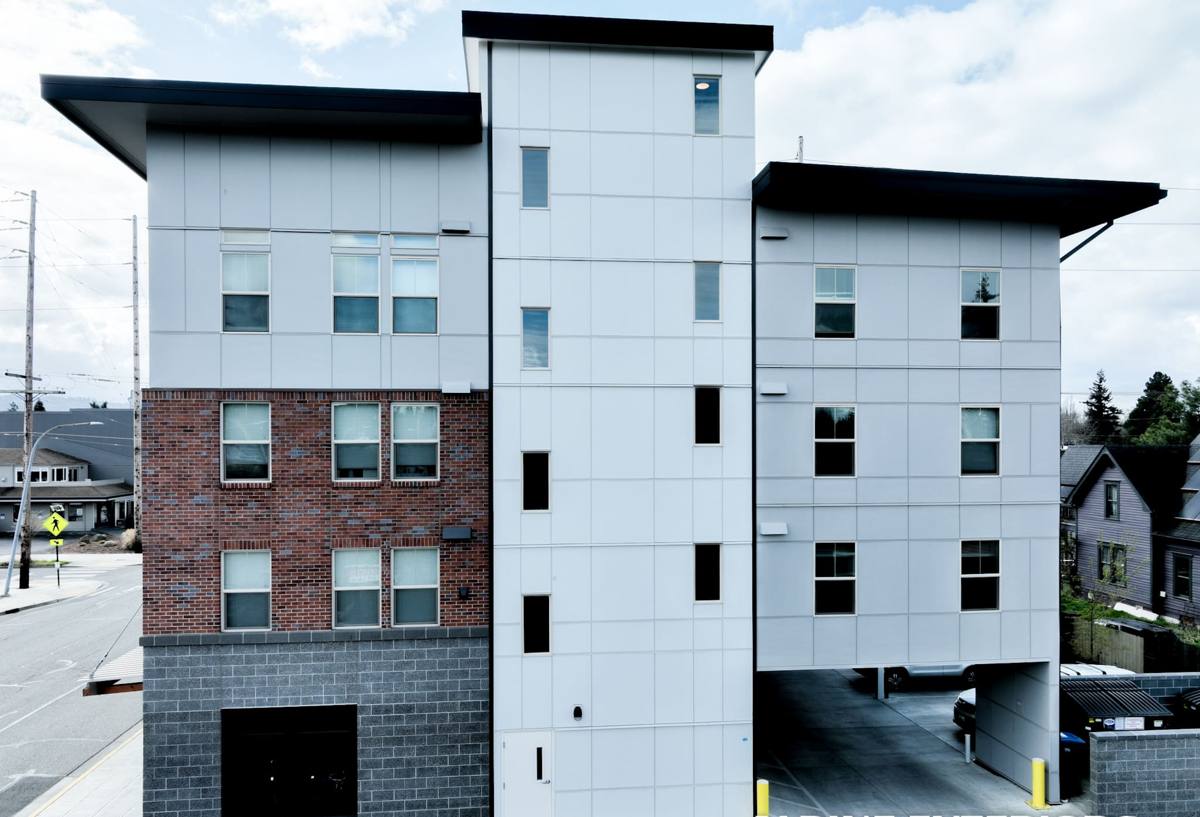
 Anacortes Exterior
 Windows Built for Burlington's Skagit Valley Climate
Burlington sits in the Skagit Valley, close enough to the water and the surrounding wetlands that homes here deal with a lot of moisture year-round. Between the marine air moving in off the Salish Sea, long stretches of driving rain through fall and winter, and the shaded, damp conditions that let moss take hold on anything that doesn't dry out fast, windows in this area work harder than they would in a drier inland climate. A window that's a good fit for eastern Washington or the Midwest is often the wrong choice here. Custom window work in Burlington isn't about picking the fanciest option on a showroom floor — it's about matching frame material, glass, and installation detail to what this specific climate does to a house over ten, twenty, and thirty years.
We work on homes throughout Anacortes and the surrounding Skagit County area, and Burlington's mix of older farmhouse-style homes, mid-century ranches, and newer construction each present their own window challenges. What they share is exposure to the same weather pattern: prolonged damp seasons, heavy rain events, and short, humid summers that don't give a poorly sealed window much chance to fully dry out between storms.
What Rain, Moisture, and Moss Season Do to Windows Over Time
Most window failures we see aren't dramatic — they're slow. Moisture finds a weak point in the seal, flashing, or caulk line, and over months or years it does its damage quietly behind the trim before anyone notices a problem.
Common failure points in this climate
- Wood frames and sills that stay damp too long between rain events, leading to soft spots, rot, and paint failure
- Failed seals on older double-pane glass, causing fogging or condensation between the panes
- Caulk and flashing that were installed correctly once but have shrunk, cracked, or pulled away with age and temperature swings
- Moss and algae buildup on north-facing or shaded windows, which holds moisture against the frame longer than it should sit there
- Sash and hardware corrosion from repeated damp-dry cycles, making windows harder to open, close, or lock properly
None of these show up overnight. That's exactly why an honest inspection before any replacement work matters — a window that looks fine from the curb can have a compromised frame or hidden rot that a fresh coat of paint would only hide, not fix.
Signs a Burlington Home May Need Window Work
Homeowners usually call us for one of a few reasons, and most of them trace back to moisture management rather than the glass itself.
- Drafts or cold spots near the window frame, especially during windy, rainy weather
- Visible fogging or moisture trapped between panes of double-pane glass
- Windows that are difficult to open, close, or lock, often from swollen or warped frames
- Soft, discolored, or crumbling wood at the sill or lower frame corners
- Visible gaps in exterior caulking or trim, or paint that's peeling faster than it should
- Moss or dark staining building up along the top or sides of the window opening
Any one of these on its own might just need a repair or re-caulk. Several of them together, especially on an older window, usually mean it's time to talk about replacement.
What a Correct Custom Window Installation Involves
"Custom" doesn't just mean a non-standard size — though that matters for a lot of older Skagit County homes with openings that don't match today's stock sizes. It means the window and the installation are both built around the specific opening, orientation, and exposure of that wall.
Frame material
We match frame material to exposure and homeowner priorities. Vinyl handles moisture well and needs the least upkeep. Fiberglass holds up to temperature and humidity swings with very little movement over time. Wood-clad windows give a traditional interior look but need more attention to the exterior cladding detail to keep moisture from reaching the wood core. There's no single "best" material — the right call depends on the wall's sun and rain exposure, the home's style, and how much upkeep the homeowner wants to take on.
Flashing and weatherproofing
This is where most window failures actually start, and it's the part that's invisible once the trim goes back on. Correct installation means proper sill pan flashing so any water that does get past the window has somewhere to drain instead of pooling, house wrap integration so the window ties into the wall's existing water management, and weather-resistant barrier tape at every seam. In a climate with as much driving rain as this one, skipping or rushing this step is the single biggest cause of callbacks we see on other contractors' work.
Glass package
Double-pane, low-E glass is the standard baseline for this region — it manages heat loss and condensation far better than older single-pane or basic double-pane units. Argon-filled units add a bit more thermal performance. For rooms with heavy west or south sun exposure, or street noise, upgraded glass packages can be worth the added cost, but we'll tell you honestly when the upgrade isn't going to make a noticeable difference for a particular window.
Our Process for Burlington Window Projects
Assessment and measurement
We start with an in-person look at each window being discussed — checking frame condition, sill health, current flashing, and how the opening is holding up before recommending repair versus full replacement. Every opening gets measured individually since older Skagit County homes rarely have perfectly uniform window sizes.
Install day
Old windows come out carefully to avoid unnecessary damage to surrounding siding or trim. We inspect the exposed opening for rot or moisture damage before the new window goes in — this is often when we find problems that weren't visible from outside. New flashing and weatherproofing go in per the window manufacturer's specifications, not a shortcut version, and the window is set, shimmed, and secured for proper operation and a tight seal.
Finish and walkthrough
Interior and exterior trim gets finished, caulking is completed, and every window is tested for smooth operation before we consider the job done. We walk the homeowner through what was done and what maintenance to expect going forward.
Choosing a Frame Material: A Straight Comparison
| Material | Moisture Handling | Maintenance | Best Fit |
|---|---|---|---|
| Vinyl | Excellent — won't rot or corrode | Low — occasional cleaning | Most homes, budget-conscious replacements |
| Fiberglass | Excellent — very stable in humidity swings | Low | Homes with heavy weather exposure, longer-term ownership |
| Wood-clad | Good if cladding and flashing detail are correct | Moderate — exterior cladding needs periodic inspection | Homeowners prioritizing a traditional wood interior look |
We'll walk through this in person for your specific windows, since orientation and exposure on your home can shift which option makes the most sense for a given opening.
What Affects the Cost of Custom Window Work
Every project is different, but a few factors consistently move the price up or down:
- Number of windows being replaced at once (bundling reduces per-window cost)
- Non-standard opening sizes that require true custom-built units instead of stock sizes
- Condition of the existing frame and sill — hidden rot repair adds time and material
- Frame material selected (vinyl generally costs less than fiberglass or wood-clad)
- Glass package upgrades for sun exposure, noise, or energy performance
- Access and second-story or awkward window locations
We'll give you a clear, itemized picture during the estimate so you know what's driving the cost, rather than a single lump number with no explanation.
Why Hiring a Crew That Already Works in Burlington Matters
Window installation looks similar on paper everywhere, but the details that actually keep water out change with the local climate. A crew that mostly works drier inland regions may not think twice about flashing detail that's non-negotiable here. Working regularly throughout Anacortes and the greater Skagit County area means we've seen how local homes age in this specific weather pattern — where moisture tends to find its way in, which materials actually hold up through a real Pacific Northwest winter, and what a rushed installation looks like five years later once it starts failing. That local track record is worth more than a lower bid from a crew unfamiliar with what this climate does to a window over time.
Get a Free, No-Pressure Estimate
If you're noticing drafts, fogged glass, sticking sashes, or just want an honest opinion on whether your Burlington home's windows are due for attention, we're glad to take a look. The estimate is free, there's no pressure to commit, and you'll get a straight answer about what your windows actually need — use the form below to get started.