 Anacortes Exterior
 Why Windows in Bow Take More Punishment Than Inland Homes
Bow sits in the stretch of Skagit County where farmland meets shoreline, close enough to the water that salt-laden air is part of daily life, not an occasional visitor. That air finds its way into window hardware, aluminum cladding, and unprotected fasteners, and it works faster on a home a few miles from open water than it does twenty minutes inland. Add the driving rain that comes sideways off the water during fall and winter storms, and a window's weather seal is doing real work almost every week of the year, not just during the odd storm.
Then there's moss. Anacortes and the surrounding Skagit County shoreline stay damp enough, long enough, that moss and algae get a foothold anywhere moisture sits and doesn't dry out quickly — on sills, in corners of window trim, and along frames that face north or sit in shade. None of this means Bow homes need exotic solutions. It means the basics — flashing, sealing, drainage, and frame material — have to be done correctly, because there's less margin for a shortcut than in a drier, calmer climate.
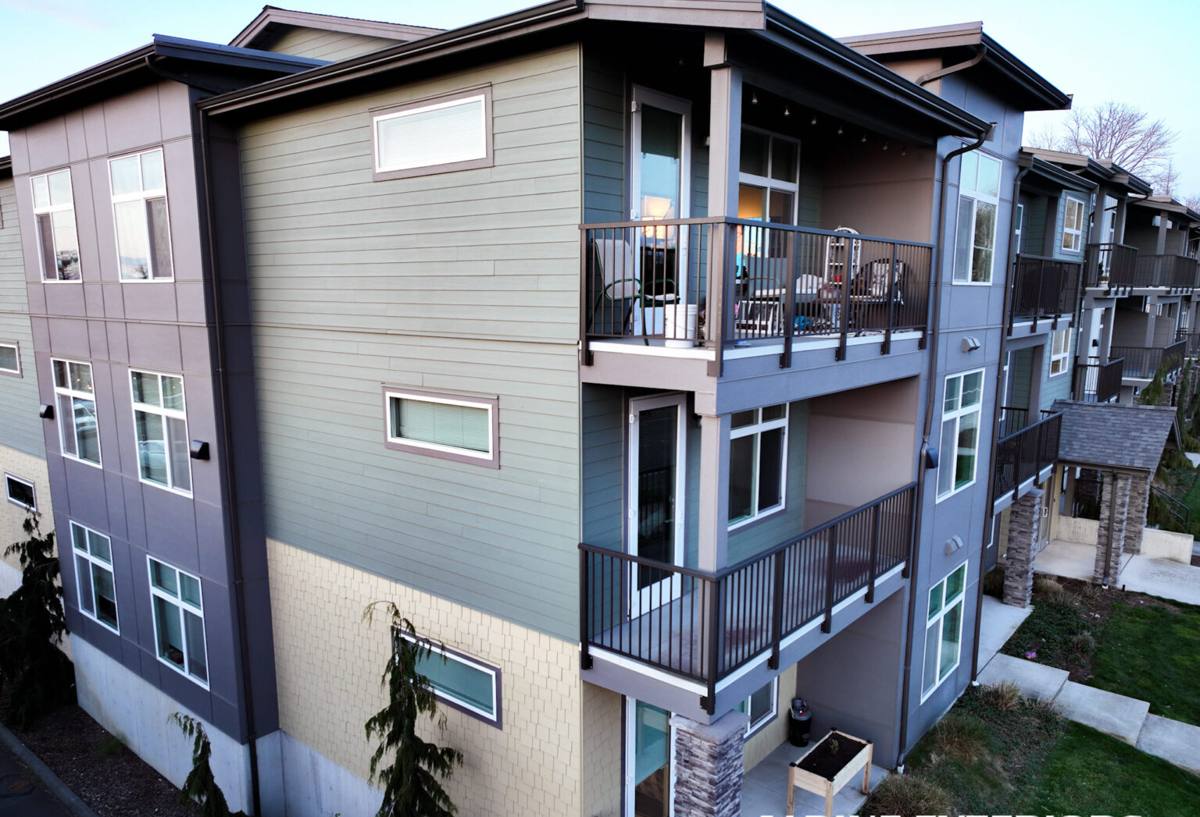
Signs Your Bow Home Is Ready for Window Replacement
Windows rarely fail all at once. They give small warnings first, and in a coastal climate those warnings show up earlier than most homeowners expect. Walk your exterior and check for these before deciding whether you're looking at a repair or a replacement:
- Fogging or a permanent haze between the panes of a double-pane window — the seal has failed and the gas fill is gone
- Soft or discolored wood at the sill or lower corners, especially on walls that face prevailing wind and rain
- Visible moss, algae, or black streaking building up on the frame or sill faster than a simple wash removes it
- Drafts you can feel by hand along the frame edge, even with the window latched shut
- Paint or finish that keeps failing in the same spot no matter how often it's touched up
- Windows that are hard to open, close, or lock — frames can swell, warp, or sag as moisture works into them over time
- A noticeable rise in heating costs with no other explanation
One or two of these on their own might point to a repair. Several together, especially on the weather-facing side of the house, usually mean the window assembly itself has reached the end of its useful life.
What a Correct Window Replacement Job Actually Involves
Flashing and Water Management
The window unit itself is the easy part. What separates a job that lasts from one that leaks in three years is the flashing — the layered system of tape, house wrap, and pan flashing that directs water down and out of the wall rather than letting it sit at the sill or work behind the siding. In a climate that gets sustained, wind-driven rain, this detail matters more than the brand of window installed. We install sill pans and flash every opening so water has a clear path out, not a place to collect.
Air Sealing and Insulation
A window opening that isn't properly sealed and insulated around the rough frame will draft and lose energy no matter how good the window itself is. We seal the gap between the window frame and the rough opening with the right materials for the gap width — not just a bead of caulk on the exterior trim — so the whole assembly performs as a unit.
Matching the Window to the Wall
Old and new construction openings aren't always square, and older Skagit County homes in particular can have settled slightly out of true over the decades. Part of doing this correctly is checking the opening, shimming as needed, and making sure the new window sits plumb and level before anything gets sealed permanently. A window installed slightly out of square will bind, leak, or fail its seal early.
Choosing the Right Frame Material for a Coastal Skagit County Home
Frame material affects how a window handles salt air, moisture, and temperature swings over the years. There's no single right answer for every home — it depends on your siding, your budget, and how exposed the window is to weather — but here's how the common options compare for a Bow-area property.
| Frame Material | Salt Air / Moisture Behavior | Maintenance | Typical Fit |
|---|---|---|---|
| Vinyl | Won't corrode or rot; performs well in salt air | Low — occasional cleaning | Most homes, best value |
| Fiberglass | Very stable in moisture and temperature swings; strong long-term coastal performer | Low | Homes wanting extra durability and a higher-end feel |
| Wood | Attractive but vulnerable to moisture intrusion if the seal or finish ever fails | High — regular refinishing needed | Historic or period-style homes where the look matters most |
| Aluminum-clad | Cladding can pit or corrode over time in salt-heavy air if not properly finished | Moderate | Situations where a specific exterior look is required |
We generally steer clients toward vinyl or fiberglass for exposed, water-facing walls in this area — not because wood or aluminum-clad windows are bad products, but because the maintenance burden and moisture sensitivity of those materials is a real trade-off in a climate that stays damp for much of the year. If the look of wood matters to you, we'll talk through how to protect it properly rather than talk you out of it.
Our Process for Bow Window Replacement Projects
1. On-Site Assessment
We walk the exterior with you, check each opening for water damage, rot, or settling, and talk through which windows genuinely need replacement versus which can wait. We're not going to sell you a whole-house job when three windows are the problem.
2. Careful Removal and Opening Prep
Old windows come out cleanly, and we inspect the rough opening and sheathing underneath before anything new goes in. If we find hidden rot or a flashing failure from the original install, we address it — you can't build a good seal on a compromised opening.
3. Installation, Flashing, and Sealing
New sill pan and flashing, correct shimming, air sealing at the rough opening, and exterior sealant sized to the gap. This is where most of the long-term performance of the window gets decided, and it's the step that separates a durable install from one that starts failing in a few winters.
4. Cleanup and Walkthrough
We clear debris, check every window operates smoothly and locks properly, and walk the job with you before we call it done.
Why a Crew That Already Works in Bow Matters
A crew based near Anacortes and familiar with the Bow area already knows how exposed a given wall is likely to be, what kind of moisture and moss buildup to expect on north-facing sills, and how the local weather pattern behaves through fall and winter storm season. That familiarity shows up in small decisions — how much flashing overlap to use, which sealant holds up best in this specific climate, when a job needs to be scheduled around a weather window rather than pushed through regardless.
It also means faster response if something needs a follow-up look after installation. A crew that's local to Skagit County isn't a multi-hour drive away if a question comes up after a big storm — we're already working in the area.
What Window Replacement Costs in the Bow Area
Costs vary window by window, so we won't quote a number without seeing the job, but here are the factors that move the price up or down:
| Factor | Effect on Cost |
|---|---|
| Frame material (vinyl vs. fiberglass vs. wood) | Vinyl is typically the most affordable; fiberglass and wood run higher |
| Window size and configuration | Larger units and multi-panel configurations cost more than standard single windows |
| Number of windows replaced | Whole-house projects typically bring a better per-window rate than one-off replacements |
| Condition of the rough opening | Hidden rot or flashing repair adds labor and material beyond the window itself |
| Access and wall height | Second-story or hard-to-access windows take more time and equipment |
As a general range, homeowners in this area are typically looking at low thousands per standard window installed, with whole-house projects scaling from there depending on the factors above. We'll give you a specific, itemized number after we've actually looked at your windows.
Keeping New Windows Performing Through Moss Season
A correctly installed window still benefits from basic upkeep in this climate. Rinse sills and frames periodically to keep moss and algae from building up, especially on shaded or north-facing windows. Check exterior caulking once a year for cracking or separation, and clear debris from any drainage weep holes in the frame so water has somewhere to go. None of this is heavy maintenance — it's the kind of five-minute check that keeps a well-installed window performing for its full lifespan instead of fighting a moisture problem that could have been caught early.
If you're seeing drafts, fogged glass, or moss buildup on your windows and you're in or around Bow, we're happy to take a look and give you an honest read on repair versus replacement. Fill out the form below for a free, no-pressure estimate — no obligation, just a straight answer about what your windows actually need.