 Anacortes Exterior
 Bow's Coastal Climate Puts Real Demands on Siding
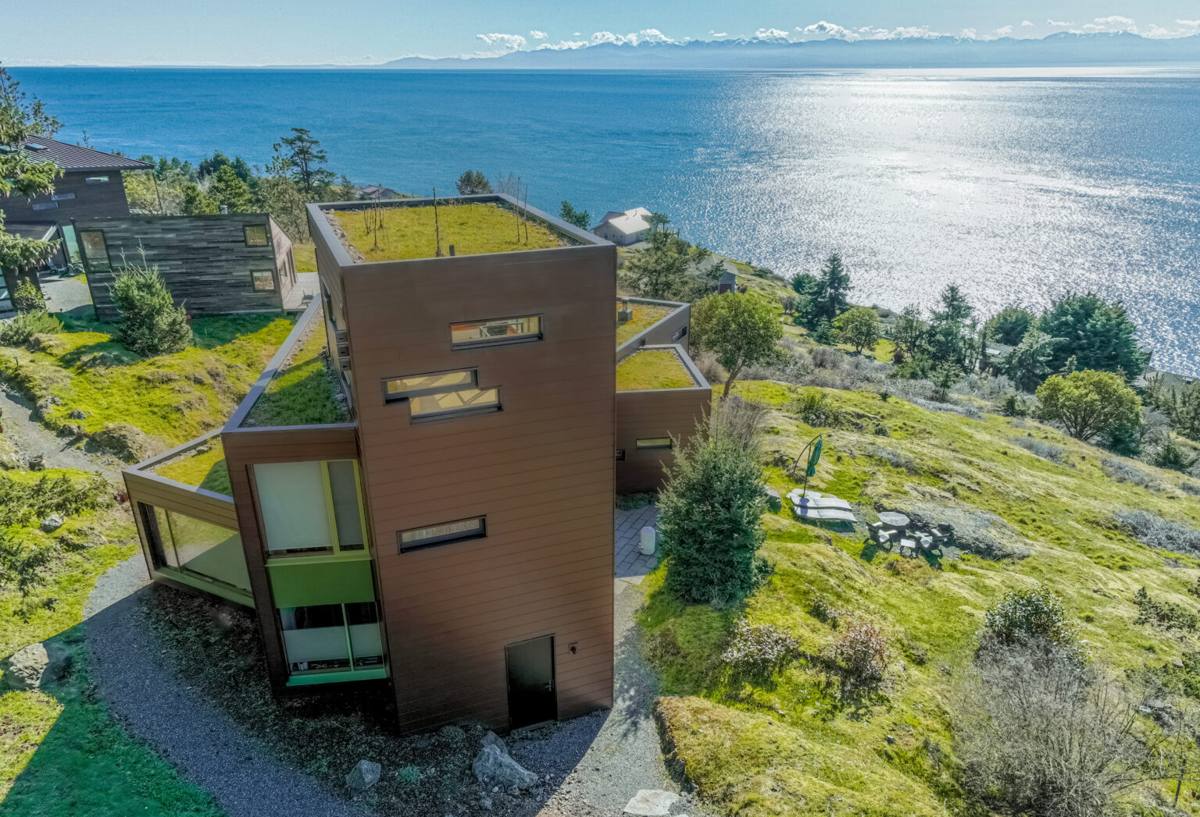
Bow sits in the part of Skagit County where the land meets the water — close enough to Samish Bay and Padilla Bay that salt-laden air is a daily fact of life, not an occasional weather event. Combine that with the driving, wind-pushed rain that comes off the Salish Sea and the long, damp stretch of fall through spring that lets moss and algae take hold on anything shaded or north-facing, and you have a siding environment that punishes shortcuts. Homes here don't fail because owners neglected them — they fail because the siding, the flashing details, or the installation itself wasn't built for this specific combination of salt, moisture, and shade.
A siding system that works fine in a drier inland climate can struggle in Bow within a decade. Fasteners corrode faster in salt air. Paint films that aren't engineered for constant moisture cycling chalk and peel sooner. Panel edges that swell when they take on water stay swollen longer here because the drying window between rain events is short much of the year. None of this means Bow homes need something exotic — it means they need siding and installation practices matched to the actual conditions, not a generic approach borrowed from a catalog.
What a Correct Siding Installation Actually Involves
Siding installation is often talked about as if it's just fastening boards to a wall. The material only performs as well as the water management system underneath it, and that system is where most long-term problems start or get prevented.
Moisture Management Comes First
Before a single piece of siding goes up, the wall needs a continuous drainage plane: a properly lapped weather-resistive barrier, correctly integrated window and door flashing, and — critically in a wet climate like Skagit County's — a rainscreen gap or drainage mat behind the siding so that any moisture that gets past the cladding can drain and the wall can dry. Skipping or shortcutting this step is invisible on installation day and expensive five years later, usually showing up as rot at penetrations, sills, or the bottom courses closest to grade.
Fastening and Manufacturer Specification
Fiber cement has specific fastening requirements — fastener type, spacing, and edge distance all affect how the panel performs in wind and how well it resists moisture intrusion at the nail line. Installing outside those specifications doesn't just risk a warranty claim; it changes how the wall behaves in wind-driven rain, which is a routine event in this part of Washington. Correct installation also means respecting expansion gaps, sealing the right joints (and leaving others unsealed, since not every joint should be caulked), and keeping siding at the manufacturer's minimum clearance above grade, decks, and roof lines so splash-back and standing water don't sit against the bottom edge.
Why We Install Only James Hardie Fiber Cement
We made a decision to install James Hardie fiber cement siding exclusively, and we don't offer vinyl, LP SmartSide, cedar, or other fiber cement brands as alternatives. That's not a marketing position — it's a standard we hold because of what we see happen to siding in this climate over ten and twenty year timelines, not just at installation.
Fiber cement is non-combustible, which matters increasingly in Washington as wildfire risk gets factored into insurance underwriting statewide, even in the wetter western counties. James Hardie's HZ product lines are engineered specifically for climate zones like ours — formulated to resist moisture-related damage in regions with sustained dampness rather than the hot, dry conditions other fiber cement formulations are built around. The factory-applied ColorPlus finish is baked on under controlled conditions, which gives it better adhesion and fade resistance than field-applied paint, and it comes with its own finish warranty separate from the product warranty. That combination — the right substrate for our climate, a factory finish suited to constant moisture cycling, and a transferable warranty — is why we don't hedge with multiple product lines.
| Factor | Vinyl Siding | Cedar / Untreated Wood | James Hardie Fiber Cement |
|---|---|---|---|
| Moisture behavior | Doesn't rot, but can warp or buckle with temperature swings | Absorbs water; needs consistent refinishing to resist rot | Engineered for moisture cycling; won't rot when installed to spec |
| Salt air exposure | Can become brittle and discolor over time | Weathers unevenly, accelerates finish breakdown | Non-combustible substrate holds up well; ColorPlus finish resists fading |
| Moss and algae | Surface growth is common in shaded, damp areas | Prone to moss and mildew without regular treatment | Factory finish resists staining better than field-applied paint |
| Maintenance burden | Low, but limited repair options if damaged | High — regular sealing, staining, or painting required | Low; occasional washing, repainting only after many years |
| Fire resistance | Melts and can contribute to fire spread | Combustible | Non-combustible |
Our Installation Process for Bow Homes
Every project follows the same sequence, adjusted for the specifics of the house:
- On-site assessment of the existing siding, sheathing, and any signs of moisture damage around windows, trim, and the lower wall sections most exposed to splash-back.
- Tear-off and inspection of the sheathing underneath — this is often where hidden rot from a previous installation's poor flashing shows up, and it needs to be addressed before anything new goes on.
- Installation or repair of the weather-resistive barrier and flashing at every penetration, window, and door, followed by a drainage gap behind the new siding.
- Installation of James Hardie panels or lap siding to manufacturer fastening specifications, with attention to clearances at grade, decks, roofs, and any dissimilar materials.
- Trim, caulking at appropriate joints only, and a final walk-through so the homeowner understands what was done and what maintenance, if any, to expect going forward.
Signs Your Bow Home's Siding Needs Replacing
Some of these are obvious; others are easy to miss until they've caused damage behind the siding:
- Soft or spongy spots when you press on siding near the bottom courses or below windows
- Persistent moss or dark staining that keeps returning even after cleaning, especially on north- or west-facing walls
- Visible cracking, buckling, or panels that have separated from the wall
- Paint or finish that's peeling, chalking heavily, or has stopped holding color
- Interior signs — peeling paint, musty smell, or warped drywall on an exterior wall — that suggest moisture is getting past the siding
- Fastener heads that have rusted through or backed out of the siding
Why Hiring a Crew That Already Works in Bow Matters
Bow isn't a large market, and that's exactly why local experience is worth asking about. A crew that's worked houses in this area already knows which walls take the worst of the wind-driven rain off the water, which older homes in the area were built with siding practices that don't hold up to current moisture-management standards, and how much of a head start moss gets on shaded walls before it becomes a maintenance problem. That knowledge changes decisions on the job — where to add extra flashing attention, which corners need a closer look at the sheathing, and how much clearance to leave at grade given how wet the ground stays through the winter months.
It also matters for permitting and code familiarity specific to Skagit County, and for simply being reachable if a question comes up after the job is done. A contractor with an established presence in the Anacortes and Bow area has a reputation to stand behind locally — that's a different incentive structure than a crew that's just passing through for one project.
What Siding Installation Costs Depend On
There's no honest flat quote for siding work — the price depends on the specifics of the house and the condition of what's underneath. The factors that move the number most are below.
| Cost Factor | Why It Matters |
|---|---|
| Tear-off complexity | Multiple layers of old siding or extensive trim work take more labor to remove |
| Sheathing and framing condition | Rot discovered underneath old siding has to be repaired before new siding goes on |
| Wall height and roofline complexity | Multi-story homes and complex rooflines require more staging, cutting, and flashing detail |
| Product line and profile | Lap siding, panel systems, and specialty trim carry different material costs |
| Window and penetration count | Each window, vent, and fixture needs its own flashing detail, which adds labor |
| Color and finish selection | Factory ColorPlus finishes vary in cost by color and coating type |
Maintaining Hardie Siding After Installation
One advantage of a correctly installed James Hardie system is how little upkeep it asks for afterward. Rinsing the exterior once or twice a year removes salt residue and slows moss regrowth, especially on shaded sides of the house. Keeping gutters clear and grade clearances intact protects the bottom courses, which are the most exposed part of any siding system in a climate this wet. Beyond that, ColorPlus finishes are built to go years without repainting — far longer than field-applied paint on wood or older fiber cement products — which is part of why the upfront installation quality matters so much: it's the thing that determines whether that low-maintenance promise actually holds up on a Bow property.
If you're weighing a siding project for a home in Bow, we're happy to take a look and give you a straightforward, no-pressure estimate — no invented urgency, just an honest read on what your house needs and what it would take to do it right. The form below gets you started.