 Anacortes Exterior
 Window Installation for Mount Vernon Homes
Mount Vernon sits inland from Anacortes in the Skagit Valley, but it doesn't escape the same weather pattern that wears down windows across this part of Skagit County. Salt-laden air drifting in off Puget Sound, long stretches of driving rain through fall and winter, and a moss season that seems to start earlier every year all put steady pressure on window frames, seals, and the wall assembly around them. A window that's installed correctly for this climate will outlast one that isn't by years, even if the units themselves are identical.
We're an Anacortes-based crew that works window jobs throughout Skagit County, including a steady run of work in Mount Vernon. This page covers what local homes actually need from a window installation, what a correct job looks like from the inside out, and how our process works from first look to final walk-through.
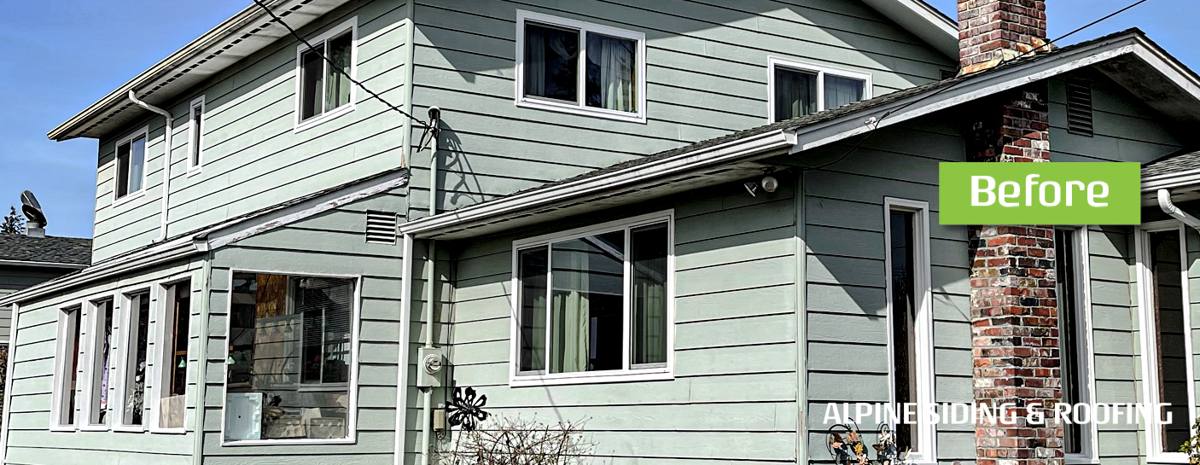
What This Climate Does to Windows Over Time
Most window failures we see in this area aren't about the glass — they're about water finding a way in around the frame, or moisture getting trapped where it can't dry out. A few patterns show up again and again on Skagit County homes:
Moisture Intrusion at the Frame
Wind-driven rain doesn't just fall straight down here — it gets pushed sideways into siding and window openings during storms. If the flashing and sealant details around a window aren't done right, water works its way behind the trim and into the wall cavity. You often don't see it until there's staining, soft trim, or a musty smell showing up well after the window itself looks fine.
Seal and Sash Wear
Salt air is mildly corrosive to hardware — hinges, locks, and balance mechanisms wear faster near the water than they do further inland, and Mount Vernon is close enough to feel some of that effect. Combined with constant damp-dry cycling, weatherstripping and seals also break down faster than the manufacturer's glossy brochure suggests.
Moss and Algae Buildup
Shaded sills, north-facing exposures, and anything under an overhang or near landscaping tends to grow moss and green algae film during the wet months. It's mostly cosmetic on the glass, but on wood sills and trim it holds moisture against the material and speeds up rot if it's never cleaned off.
Warning Signs Worth Acting On
- Soft, spongy, or discolored wood trim around the window frame
- Fogging or a persistent haze between panes of a double- or triple-pane unit
- Windows that are noticeably harder to open, close, or lock than they used to be
- Visible daylight, drafts, or whistling around the sash when it's windy
- Peeling paint or bubbling on interior sills, which usually points to moisture behind the wall
- A musty smell near the window that wasn't there before
- Moss or dark staining building up on sills or the bottom of the frame year after year
None of these on their own mean a window has to be replaced immediately, but they're worth a look before the underlying damage spreads into the surrounding wall framing.
What a Correct Window Installation Actually Involves
A window install is judged on what you can't see once it's done. The unit itself is a small part of it — the flashing, sealing, and integration with the wall's weather-resistive barrier is what actually keeps water out for the next twenty-plus years.
Removal and Opening Prep
We remove the old window carefully to avoid damaging surrounding siding and trim, then inspect the rough opening for hidden rot, soft sheathing, or old flashing that's failed. Any damaged framing or sheathing gets addressed before a new window goes in — installing a new window over a compromised opening just hides the problem for a while.
Flashing and Sill Pan
A sloped sill pan and properly lapped flashing tape direct any water that gets past the exterior seal back out and away from the wall cavity, rather than letting it pool at the bottom of the opening. This is the single most important step for a climate with this much wind-driven rain, and it's also the step that's easiest to rush or skip.
Setting, Shimming, and Insulating
The window gets set level and plumb, shimmed at the right points to support its weight without distorting the frame, and the gap between the window and the rough opening is insulated — not packed tight, which can bow the frame, and not left open, which wastes energy and invites drafts.
Exterior Sealing and Trim
Exterior sealant goes at the specific points the manufacturer's instructions call for — sealing everything solid isn't correct practice, since certain gaps are meant to let any trapped moisture drain and dry out. Trim and siding are reinstalled or replaced to match, so the finished opening looks original to the house.
Interior Finish and Final Check
Interior trim, sill, and any drywall repair are finished out, and every window is tested for smooth operation, a tight lock, and a clean seal before we call the job done.
Choosing the Right Window for a Mount Vernon Home
There's no single "best" window material — the right choice depends on the home, the budget, and how much upkeep you want to take on. Here's how the common options generally compare for this climate:
| Material | Moisture Behavior | Maintenance | Typical Fit |
|---|---|---|---|
| Vinyl | Won't rot; handles damp exposure well | Low — occasional cleaning | Most homes; strong value for the climate |
| Fiberglass | Very stable in wet/dry cycling; resists warping | Low | Homes wanting a longer-term, low-movement frame |
| Wood (unclad) | Attractive but vulnerable to moisture if seals fail | High — regular painting/sealing | Historic or period-style homes where the look matters most |
| Wood-clad (aluminum or vinyl exterior) | Exterior protected from weather; wood interior stays dry | Moderate | Homes wanting a wood interior look with better weather resistance |
For most Mount Vernon homes we work on, vinyl or fiberglass frames make the most practical sense given the amount of driving rain and salt-tinged air the exterior takes on through the year. Unclad wood windows can still be the right call for a period-appropriate home, but we'll walk through the added maintenance honestly before you commit to that route — it's a real ongoing job, not a one-time decision.
Glass Considerations
Double-pane, low-E glass is the standard baseline for this region and handles our mild-but-damp climate well. Triple-pane adds cost and weight for a modest additional efficiency gain — it tends to make more sense on north-facing exposures or homes right along the water, rather than as an automatic upgrade for every opening.
Our Process, Start to Finish
- Walkthrough and assessment — we look at each window opening, note any signs of rot or past water intrusion, and talk through material and glass options.
- Written estimate — a clear scope and price before any work starts, with the reasoning behind material recommendations explained plainly.
- Scheduling — we plan around the weather where we can, since exterior work goes faster and cleaner in a dry stretch.
- Installation — removal, opening inspection and repair as needed, flashing, setting, sealing, and trim, one window or the whole house at a time.
- Final check — every window is tested for operation and seal, and the work area is cleaned up before we leave.
Why a Crew That Already Works Mount Vernon Matters
Window installation isn't a one-size-fits-all trade — the right approach shifts depending on the climate it has to hold up in. A crew that regularly works Skagit County homes has already seen how this area's wind-driven rain and moss season affect flashing details, sealant choices, and material selection, so we're not guessing or learning on your house.
There's also a practical side to being local. If a question comes up after the install — a seal that needs a look, a question about how a window is operating — we're not driving in from out of the area to handle it. Being based in Anacortes and working Mount Vernon regularly means service after the install is straightforward, not a scheduling headache.
What Affects the Cost of a Window Installation
We don't post fixed prices because every job is different, but these are the main factors that move the number up or down:
| Factor | Why It Matters |
|---|---|
| Window size and count | Larger openings and whole-house jobs both take more material and labor |
| Material (vinyl, fiberglass, wood, wood-clad) | Unit cost varies significantly by frame material and manufacturer line |
| Glass package | Double-pane vs. triple-pane, and any tint, gas fill, or grid options |
| Condition of the existing opening | Hidden rot or old flashing failures add repair time before the new window goes in |
| Access and site conditions | Second-story windows, tight landscaping, or limited access can add time |
| Trim and siding match | Matching existing exterior trim or siding profiles takes more finish work than a plain reinstall |
As a broad range, homeowners in this area typically see costs from several hundred dollars per window on the simpler end up to a few thousand per window for larger units, premium materials, or openings that need repair work first. The only way to get a real number is a walkthrough of your specific windows.
Get a Free, No-Pressure Estimate
If your Mount Vernon home has windows showing their age — or you're just planning ahead before the next wet season sets in — we're happy to take a look and give you an honest read on what's needed. There's no pressure and no obligation, just a straight assessment from a crew that knows what this climate does to windows and how to install them so they hold up against it. Use the form below to request your free estimate.