 Anacortes Exterior
 Storm Damage Roof Repair for Old Town Anacortes
Old Town Anacortes sits close to the water, which means its roofs take a different kind of beating than homes further inland in Skagit County. The housing stock here skews older, with a lot of roofs that have been patched, re-covered, or partially replaced over the decades. When a winter storm rolls through with sideways rain and gusts off the water, those older roofs and their aging flashing details are usually the first thing to show damage. We repair storm-damaged roofs in this neighborhood regularly, and the patterns we see here are specific enough that a generic storm repair approach often misses the real problem.
This page covers what storm damage actually looks like on Old Town Anacortes homes, what a correct repair involves, and how to tell a real fix from a quick patch that fails again next season.
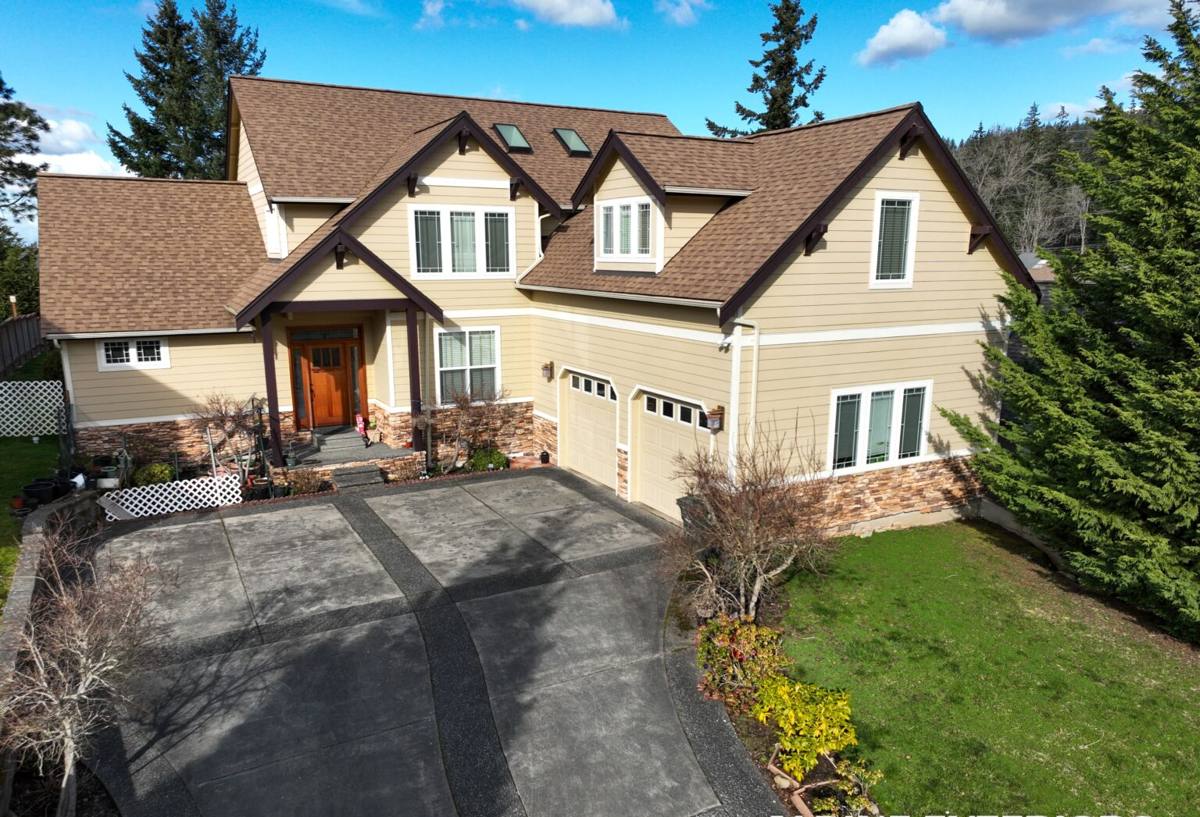
What Anacortes Storms Do to a Roof
Skagit County storms aren't usually the kind that rip a roof off in one dramatic event. More often, damage builds from repeated exposure — wind-driven rain forcing water sideways under laps and flashing, gusts working shingles or shakes loose at the edges, and salt-laden air slowly corroding metal fasteners and flashing over the years. By the time a homeowner notices a leak, the damage that caused it may have started months or years earlier.
Wind-Driven Rain and Flashing Failures
Standard shingle and shake roofing is designed to shed rain falling straight down. When wind pushes rain sideways or even upward under the eaves, water finds its way past laps, nail heads, and flashing edges that were never meant to hold back that kind of pressure. On Old Town Anacortes homes, we most often find storm-driven leaks at:
- Step flashing along dormers and chimneys, where old flashing has separated or was never properly integrated with the roofing above it
- Valleys, where wind-blown debris and moss slow drainage and back water up under the shingles
- Roof-to-wall transitions, especially on additions built at a different time than the main roof
- Ridge caps and hip lines, where fasteners loosen from repeated wind uplift
Moss, Trapped Moisture, and Wood Decay
Anacortes' long, damp shoulder seasons keep roofs wet for extended stretches, and moss takes hold quickly on north-facing slopes and shaded sections common in this older, tree-lined neighborhood. Moss doesn't just look bad — it holds moisture against the roofing material, lifts shingle edges, and channels water into laps that are supposed to stay dry. A storm hitting a roof that already has moss buildup does more damage than the same storm on a clean roof, because the water has help getting underneath.
Signs of Storm Damage Worth Checking
Some storm damage is obvious. A lot of it isn't, especially from the ground. After any significant wind or rain event, it's worth checking for:
- Shingles or shakes that look lifted, curled, or out of alignment with the surrounding roofing
- Granules collecting in gutters or at downspout outlets (a sign of accelerated shingle wear)
- New or worsening ceiling stains, especially near chimneys, skylights, or where a roofline changes
- Visible gaps or bent sections in flashing around chimneys, vents, or dormers
- Debris (branches, moss clumps) built up in valleys or against roof-to-wall transitions
- Sagging or soft spots when walking the attic after a storm, which can indicate saturated sheathing
None of these on their own always mean a major problem, but any of them are reason enough for a proper inspection before the next storm finds the same weak spot.
What a Correct Storm Damage Repair Involves
A lot of storm repair work in this area is done as a quick patch — a bead of sealant over a visible gap, a few replacement shingles nailed down without addressing what let water in to begin with. That approach might buy a season, but it rarely lasts through the next real storm. A repair done correctly starts with figuring out how water actually got in, not just where it showed up inside the house.
Our Approach
- Full roof assessment, not just a look at the reported leak area — storm damage often has more than one failure point
- Tracing the water path from the interior stain or leak back to its actual entry point, which is frequently several feet away from where the damage shows up indoors
- Removing and inspecting decking at the damaged area to check for wood rot or saturation, not just replacing the surface layer over a compromised deck
- Rebuilding flashing details properly — step flashing, counterflashing, and valley metal integrated correctly with the surrounding roofing, not just caulked over
- Matching materials as closely as possible so the repair blends with the existing roof and doesn't create a new weak seam
- Documenting the damage and repair with photos, useful if you're filing an insurance claim
Repair or Replace? Weighing the Factors
Not every storm-damaged roof needs full replacement, and not every leak is fixable with a targeted repair. The right call depends on the roof's age, condition, and how widespread the damage is.
| Factor | Leans toward Repair | Leans toward Replacement |
|---|---|---|
| Roof age | Under 15 years, or a recent full re-roof | Near or past its expected service life |
| Damage extent | Isolated to one flashing detail or section | Multiple areas showing wear, moss, and storm damage together |
| Decking condition | Sheathing is dry and sound beneath the damage | Rot or saturation found in the deck itself |
| Material availability | Matching shingles or shakes are still available | Discontinued material makes a seamless patch impossible |
| Insurance scope | Adjuster approves targeted repair | Adjuster or contractor documents damage extensive enough to warrant full replacement |
We'll give you a straight answer on which category your roof falls into — we don't sell full replacements to homeowners who only need a repair, and we won't patch a roof that's genuinely at the end of its life just to avoid a harder conversation.
Working With Insurance on a Storm Claim
Wind and rain damage is often covered under homeowners' policies, but coverage details vary by carrier and policy, and we're not in a position to tell you what your specific policy covers. What we can do is provide a clear, photo-documented assessment of the damage and its likely cause, which is what most adjusters need to evaluate a claim. If you're not sure whether damage is claim-worthy, it's worth getting an assessment before you call your insurer — that way you're reporting an actual, documented condition rather than guessing at the extent of the problem.
Why Local Experience in Old Town Anacortes Matters
Storm repair work in this neighborhood has a few recurring realities that shape how we approach it. Homes here are often older, which means original roof framing and decking that wasn't built to current standards, and prior repair work layered on top of it from different eras. Lots are frequently tighter and more mature-tree-covered than newer Anacortes subdivisions, which affects both moss buildup and how a crew stages equipment and material delivery for a repair. And being close to the water means salt air is a constant factor in how fast metal flashing and fasteners age, which changes how long a given repair should reasonably be expected to hold.
A crew that works this neighborhood regularly recognizes these patterns quickly instead of treating every roof as a blank slate. That matters most when storm damage isn't sitting in plain sight, and the difference between a fix that lasts and one that doesn't often comes down to catching a hidden flashing failure or a soft spot in the decking before it's covered back up.
After the Repair: Reducing Storm Vulnerability Going Forward
A good repair addresses the current damage. Reducing the odds of the same failure next storm season usually takes a bit more:
- Clearing moss and treating affected areas so it doesn't re-establish and trap moisture again
- Keeping gutters and downspouts clear so wind-driven rain has somewhere to drain instead of backing up under roofing edges
- Trimming back branches that overhang the roof, which reduce airflow, drop debris into valleys, and can strike the roof directly in high wind
- Scheduling a roof check after major storm events, particularly for older roofs with a history of flashing issues
None of this is expensive or complicated, but it's the kind of maintenance that gets skipped until a storm forces the issue — usually at a worse time and higher cost than doing it proactively.
Get a Straight Answer on Your Roof
If a recent storm has you wondering whether your roof came through it okay, or you've got a leak you can't quite trace to its source, we're glad to take a look. The estimate is free, there's no pressure to sign anything on the spot, and you'll get a plain explanation of what we find and what we'd recommend — repair or otherwise. Use the form below to get started.