 Anacortes Exterior
 Why Old Town Anacortes Puts Extra Stress on a House's Siding
Old Town Anacortes is one of the older residential pockets in the city, and it sits close enough to the water that the weather off the Salish Sea is a daily fact of life rather than an occasional event. That means three things are working against your siding at once: salt-laden air drifting in off the water, driving rain that comes in sideways during winter storms, and a moss season that runs long and wet for much of the year in Skagit County. None of these are dramatic on their own. The problem is that they never really stop, and older siding materials in this neighborhood are often carrying decades of that cumulative exposure.
Salt air is corrosive to exposed metal fasteners and trim, and it accelerates the breakdown of paint films faster than it would a few miles inland. Driving rain doesn't just wet the surface of a wall — wind-driven rain finds every gap, lap joint, and fastener hole, and it will get behind siding that isn't detailed correctly. And moss and algae don't just look bad; sustained dampness against wood-based or poorly sealed siding is what eventually leads to soft spots, delamination, and rot. A siding product and installation approach that works fine in a dry inland climate can fail years early here.
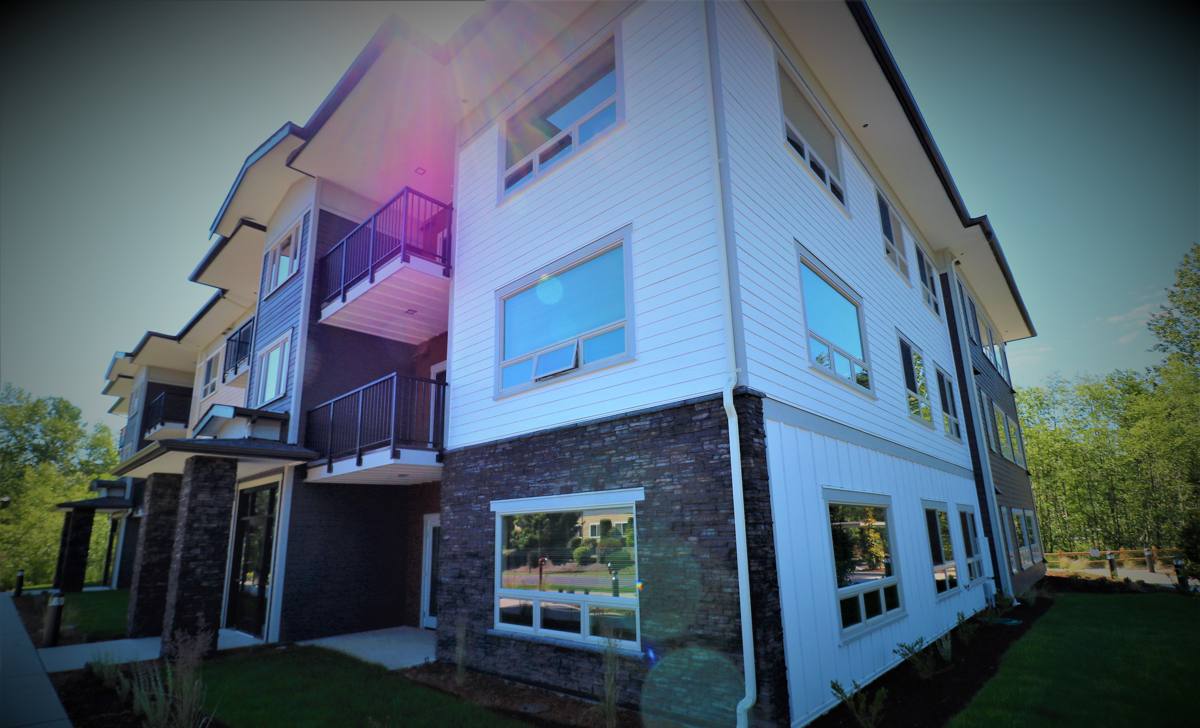
What Correct Fiber Cement Installation Requires in This Neighborhood
Fiber cement is a strong match for this exposure, but only when it's installed the way the manufacturer engineered it to be installed. A lot of the siding problems we get called out to inspect in older Anacortes homes trace back not to the material itself but to shortcuts taken during installation years ago — gaps that were never sealed, flashing that was skipped to save time, or fasteners driven in the wrong place. Correct installation in a salt-air, high-rain environment means:
- Proper water-resistive barrier and rain-screen detailing behind the siding, not just a wrap-and-nail approach
- Flashing at every window, door, and horizontal trim transition, integrated with the barrier rather than caulked over it
- Correct fastener placement and spacing so the board can expand and contract without cracking or pulling loose
- Minimum clearance from grade, decks, and roof lines so splashback and ponding water don't sit against the bottom course
- Factory-cut and factory-primed edges used wherever possible, since field-cut edges need to be sealed to hold up to this level of moisture
Skip any one of these steps and you can end up with a wall that looks fine from the street for a couple of years but is already trapping moisture behind it. That's the gap between "siding installed" and "siding installed correctly" — and in a climate like this one, it shows up faster than homeowners expect.
Why Old Homes Are More Sensitive to Installation Mistakes
Older homes in this part of Anacortes often have original wall assemblies, older framing tolerances, and, in some cases, layers of past siding or trim work stacked on top of each other. That makes careful tear-off and inspection more important than on newer construction — you want a crew that will actually look at the sheathing and framing once the old siding is off, not just re-clad over hidden damage. It's also why we won't quote a full re-side without at least a visual assessment of what's underneath first.
Why We Install Only James Hardie Fiber Cement
We standardized on James Hardie siding for every job we do, including here in Old Town Anacortes, and we don't install vinyl, LP SmartSide, or other fiber cement brands. That's a deliberate choice, not a marketing preference. James Hardie is non-combustible, which matters in a state that takes wildfire risk seriously even on the wet side of the Cascades. It carries a factory-applied ColorPlus finish that's baked on and warranted separately from the board itself, which means less repainting over the life of the siding — a real advantage in a neighborhood where salt air chews through field-applied paint faster than average. And Hardie engineers specific product lines, including HZ5 formulations, for exactly this kind of high-moisture, marine-influenced exposure.
We've seen what happens with lower-grade fiber cement and vinyl products in this climate: vinyl can warp or crack in temperature swings and never really seals out driving rain at the seams, and off-brand fiber cement products don't always carry the same climate-specific engineering or the same transferable warranty backing. We'd rather install one product correctly, every time, than offer three options and let installation quality vary. That consistency is what lets us stand behind the work.
Matching Siding to Old Town's Older Home Character
A lot of homes in this neighborhood have real architectural character — narrower lap reveals, shingle-style accents, trim details that were common when the houses were originally built. Part of doing this job right is matching that character instead of flattening it. James Hardie's lineup gives us the range to do that:
- HardiePlank lap siding in multiple reveal widths, for homes that need to keep a traditional narrow-lap look
- HardieShingle siding for gable accents or full elevations where the original home used shingle detailing
- HardieTrim boards to rebuild window and corner trim to match existing proportions rather than using undersized modern stock
- A full ColorPlus palette plus custom paint options where an exact historic color match matters
We'd rather spend extra time getting the reveal width and trim profile right than rush a job that ends up looking generic on a house that clearly wasn't built generic.
Our Process, Start to Finish
1. On-Site Assessment
We walk the exterior with you, check the condition of the current siding and trim, and look for signs of trapped moisture, soft sheathing, or past repair shortcuts — all more common finds on older homes near the water.
2. Written Scope and Estimate
You get a clear, itemized estimate covering tear-off, any sheathing repair allowance, water-resistive barrier and flashing work, the specific Hardie products and reveal, and trim and paint finish — no vague lump-sum pricing.
3. Tear-Off and Inspection
Old siding comes off in sections so we can inspect the wall assembly as we go, not all at once with no chance to catch problems before they're covered back up.
4. Repair Before Re-Cover
Any rotted sheathing or framing gets addressed before a single new board goes up. Covering over damaged wood with new siding just hides a problem that will resurface.
5. Barrier, Flashing, and Rain-Screen Installation
This is the step that determines whether the siding lasts 10 years or 40 in this climate, and it's the one step you can't see once the job is finished — which is why we document it with photos before it's covered.
6. Hardie Installation to Spec
Fastener spacing, clearances, and joint treatment are done to James Hardie's published installation requirements, which is also what keeps the manufacturer's warranty valid.
7. Trim, Caulk, and Final Paint Detail
Trim is finished, joints are sealed with the right sealant for a marine climate, and touch-up paint is matched to the ColorPlus finish.
8. Final Walkthrough
We walk the finished job with you before calling it done, and go over basic care so you know what normal weathering looks like versus something that needs a call back.
What Old Town Anacortes Homeowners Are Really Choosing Between
| Factor | Vinyl Siding | Standard/Off-Brand Fiber Cement | James Hardie Fiber Cement |
|---|---|---|---|
| Salt air & moisture resistance | Seams and edges are the weak point over time | Varies by manufacturer and product line | Climate-specific HZ formulations for marine exposure |
| Fire resistance | Combustible | Non-combustible | Non-combustible |
| Finish durability | Color molded in, can fade or chalk | Field paint or lower-spec factory finish | Baked-on ColorPlus finish, separately warranted |
| Fit for historic/older home profiles | Limited profile and trim options | Moderate, varies by product | Wide range of reveals, shingle, and trim profiles |
| Warranty structure | Manufacturer-dependent, often prorated | Varies, not always transferable | Long-term, transferable warranty when installed to spec |
The differences on paper matter less than how a product performs in this specific location, and Old Town's exposure to wind-driven rain and salt air is exactly the environment where the gap between a budget product and a properly engineered one shows up soonest.
Living With Fiber Cement Siding in a Salt-Air, Moss-Season Climate
Fiber cement is low-maintenance compared to wood, but "low-maintenance" doesn't mean "no maintenance," especially this close to the water. A little seasonal attention keeps a correctly installed job looking and performing the way it should for decades:
- Rinse the exterior once or twice a year to clear salt residue and organic buildup before it feeds moss growth
- Keep gutters clear so overflow doesn't run down the wall face during heavy rain events
- Trim back vegetation and tree cover that keeps siding damp and shaded for long stretches during moss season
- Check caulking at trim joints and penetrations every couple of years and re-seal as needed
- Address any impact damage or chipped paint promptly rather than letting exposed edges sit through a wet winter
None of this is heavy work, but skipping it is how a well-installed siding job loses years of its expected life in a climate like this one.
What to Ask Before Hiring Anyone to Side Your Old Town Anacortes Home
Siding work is one of those projects where the visible result can look identical for the first year or two regardless of whether it was installed correctly. The differences show up later, once weather has had time to find the weak points. Before you hire anyone for a fiber cement job in this neighborhood, it's worth asking:
- Will you inspect and repair the sheathing before re-siding, or just cover what's there?
- What water-resistive barrier and flashing details will you use, specifically, at windows and trim?
- Are you a certified installer for the product you're proposing, and can you show manufacturer installation guidelines you follow?
- Does the warranty stay valid if the home is resold, and what would void it?
- Have you worked on homes in this specific neighborhood, and do you understand the exposure here versus more sheltered parts of the county?
Why Local Experience in This Neighborhood Actually Matters
A crew that mainly works inland or in newer subdivisions doesn't necessarily think about rain-screen detailing, salt exposure, or matching older trim profiles the same way a crew that regularly works Old Town Anacortes does. We've seen firsthand what this specific stretch of climate does to siding that was installed without those details in mind, and we build every estimate and installation plan around avoiding those exact failure points. That's the value of hiring a crew based in and familiar with Skagit County's coastal conditions rather than a general contractor working from a generic playbook.
If you're weighing a siding replacement or repair on an Old Town Anacortes home, we're glad to take a look and walk you through what we'd actually recommend for your specific house — no pressure, no generic sales pitch. Request a free estimate using the form below and we'll get back to you with a straightforward assessment.