 Anacortes Exterior
 Storm Damage Roof Repair for March Point
March Point sits out on its own — a low, exposed peninsula between Fidalgo Bay and Padilla Bay, just east of Anacortes in Skagit County. Homes out here catch weather that doesn't hit the same way a few miles inland. Open water on multiple sides means wind has a clean run at your roof, and that same water puts salt in the air year-round. When a windstorm or a heavy winter system rolls through, March Point roofs tend to show it faster and worse than roofs tucked into town.
This page is specifically about repairing storm damage on March Point roofs — not a general roofing overview. If you've had shingles lift, flashing pull loose, or water show up somewhere it shouldn't after a blow, this is what a correct repair actually involves and what we do differently for homes in this exact location.
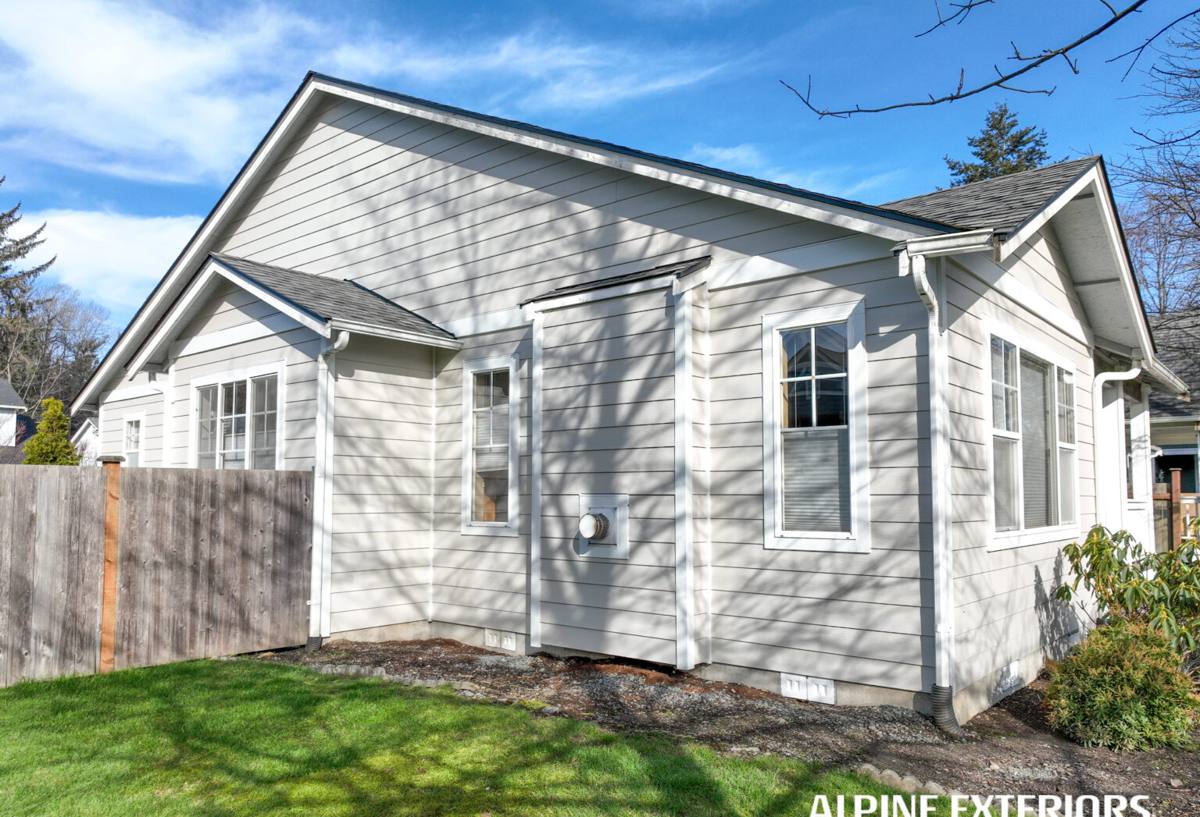
Why March Point Roofs Take a Different Kind of Beating
Three things stack up against a roof out here, and they don't act alone — they compound each other.
Salt Air
Airborne salt from the bay accelerates corrosion on exposed metal — nail heads, flashing, gutter fasteners, vent caps, and any exposed metal roofing components. A fastener that would last decades a few miles inland can start rusting and losing grip years sooner out on the point. Rusted, loosened fasteners are exactly what lets a storm find a way in.
Driving Rain
Open exposure means rain doesn't just fall on a March Point roof — it gets pushed into it, sideways, under whatever gap a storm has opened up. Wind-driven rain finds weaknesses that vertical rain never would: lifted shingle tabs, marginal flashing laps, nail pops. A repair that only addresses the visible damage and ignores how water travels sideways under wind pressure will fail again in the next storm.
A Long Moss Season
Western Washington's wet, mild climate keeps moss growing on north-facing and shaded slopes most of the year. Moss holds moisture against the roofing material long after a storm has passed, and it works its way under shingle edges, lifting them further and giving wind a place to grab. A roof that's already dealing with moss going into a storm is far more likely to show real damage coming out of it.
What Counts as Storm Damage
Not all storm damage is obvious from the ground. Some of it you'll spot right away; some of it only shows up as a stain on a ceiling weeks later. Here's what we look for:
- Shingles that are cracked, torn, creased, or missing outright
- Shingle tabs that have lifted but not torn off — these look fine from the street but no longer seal
- Flashing pulled away from chimneys, skylights, walls, or roof valleys
- Bent, dented, or displaced ridge caps and hip caps
- Debris punctures from branches or wind-blown material
- Granule loss showing up in gutters or at downspouts after the storm
- Gutters pulled loose or downspouts disconnected, which redirects water back toward the fascia and roof edge
- Soft spots or new stains on interior ceilings, especially near exterior walls or chimneys
Wind damage in particular is easy to underestimate. A shingle that lifted and re-laid itself in the same storm can look untouched but has already broken its seal — it'll leak with the next hard rain, not necessarily this one.
What a Correct Storm Damage Repair Actually Involves
A storm repair that only patches what's visible from the ground is a repair that gets called back out in a few months. Doing it right means working outward from the point of entry, not just covering it up.
Full Roof Inspection, Not Just the Damaged Spot
Wind rarely damages just one shingle. We check the whole roof plane the storm hit, plus the surrounding fasteners, flashing, and underlayment near the visible damage, because wind-driven rain travels laterally under roofing material before it ever shows up as a leak inside.
Matching Materials, Not Just Filling the Gap
A repair using mismatched shingles or the wrong flashing profile can look fine and still fail — different products expand, contract, and seal differently. We match existing materials where the roof is still in good shape, and we'll tell you plainly when a repair isn't realistic and a larger section needs to come off instead.
Flashing and Underlayment First
Most repeat leaks after a "repair" come from flashing that was reused instead of replaced, or underlayment that was patched instead of properly lapped. On a March Point roof, where salt-corroded fasteners are already a known risk, we replace compromised flashing and fasteners rather than reseating them.
Sealing Against Wind-Driven Rain Specifically
Because this location gets rain pushed sideways by open-water wind, we pay particular attention to how laps, seals, and starter courses are oriented relative to prevailing storm direction — not just whether they look watertight sitting still.
How Our Process Works
- Assessment. We walk the roof (or use a safe vantage point when conditions don't allow foot traffic) and document the full extent of damage, not just what's visible from the driveway.
- Honest scope. We tell you plainly whether this is a targeted repair, a larger section replacement, or something that should wait until a full roof replacement makes more financial sense.
- Written estimate. You get a clear breakdown of materials and labor before any work starts — no verbal-only quotes.
- Repair. We work from the deck out: underlayment, flashing, then finish materials, matched to what's already on your roof wherever that's the sound choice.
- Water test and walk-through. Before we call it done, we check that the repair holds under simulated wind-driven conditions where practical, and we show you what was done.
Repair or Replace? What Actually Drives That Decision
Not every storm-damaged roof needs full replacement, and not every roof is worth repairing again. Here's what actually factors into that call:
| Factor | Leans Toward Repair | Leans Toward Replacement |
|---|---|---|
| Age of roofing material | Under half its expected lifespan | Nearing or past expected lifespan |
| Extent of damage | Isolated to one section or slope | Spread across multiple slopes |
| Fastener condition | Fasteners still gripping soundly | Widespread rust or fastener pull-through from salt exposure |
| Underlying deck condition | Deck is sound, dry, no rot | Soft spots or rot found once damaged material is removed |
| Moss and organic buildup | Minimal, easily cleared | Heavy, long-term moss with granule loss underneath |
| Insurance scope | Claim covers a defined repair area | Adjuster scope already calls for full replacement |
We'll walk you through where your roof lands on this before recommending either path — the goal is the right call for your roof and your budget, not the biggest job we can sell.
Working With Your Homeowners Insurance
Most storm damage claims start with documenting what the storm actually did, ideally before any cleanup happens. We can provide a written damage assessment you can hand to your insurance adjuster, and we're glad to be on site when the adjuster inspects the roof to point out damage that isn't obvious from ground level, like lifted-but-not-torn shingles or corroded flashing fasteners. We don't handle the claim itself — that's between you and your insurer — but we won't leave you to explain roofing specifics to an adjuster on your own.
After a Storm: What to Check and What to Leave Alone
If you've just been through a windstorm or heavy rain event, here's a practical rundown before you call anyone:
- Check gutters and the ground around your home for shingle granules or shingle pieces — a sign of active roof damage
- Look at ceilings and around chimneys/skylights for new staining, even faint ones
- Note any visible gaps, lifted material, or displaced flashing you can see safely from the ground
- Photograph anything you notice before cleanup, for your own records and any insurance claim
- Don't get on the roof yourself — storm-loosened materials and wet surfaces are a fall hazard, and walking on damaged roofing can make it worse
- Don't tarp or attempt repairs yourself unless there's active interior water intrusion that needs an immediate stopgap
- Call for an inspection sooner rather than later — a small storm repair left alone tends to become a bigger one after the next rain
Why Hiring a Crew That Already Works March Point Matters
A roofer who mostly works inland jobs and treats March Point like any other stop can miss things that are specific to this location — the accelerated fastener corrosion from salt air, the way wind off open water pushes rain sideways under materials, or how much moss buildup is realistic to expect between visits given the local climate. We work storm damage repairs across Skagit County, including this stretch of exposed waterfront, and we scope every repair with that exposure in mind rather than applying a one-size-fits-all fix.
That local knowledge doesn't just show up in better material choices — it shows up in what we flag during the inspection that a less familiar crew might walk past.
Get a Free, No-Pressure Estimate
If a recent storm left your March Point roof with visible damage — or you're just not sure and want a second set of eyes before the next system rolls through — we're happy to take a look. The estimate is free, there's no pressure to book anything on the spot, and you'll get a straight answer about whether you're looking at a repair or something bigger. Use the form below to get started.