 Anacortes Exterior
 Why March Point Windows Take a Different Kind of Beating
March Point sits out on the water side of Anacortes, which means the homes here deal with a combination of weather that inland Skagit County properties simply don't see as often. Salt-laden air off the bay works on metal hardware, fasteners, and unprotected wood trim year-round. Wind-driven rain doesn't just fall straight down here — it gets pushed sideways into window frames, seams, and any gap in flashing that a standard install might get away with elsewhere. And the long gray stretch from fall through spring means moss and algae get a real foothold on north-facing sills, tracks, and exterior trim if nothing is done to slow them down.
None of this means March Point homes need exotic materials or gimmicks. It means the window itself, the flashing behind it, and the sealant around it all have to be chosen and installed with this specific exposure in mind. A window that performs fine in a sheltered Anacortes neighborhood a mile inland can fail early out here if it's installed the same way.
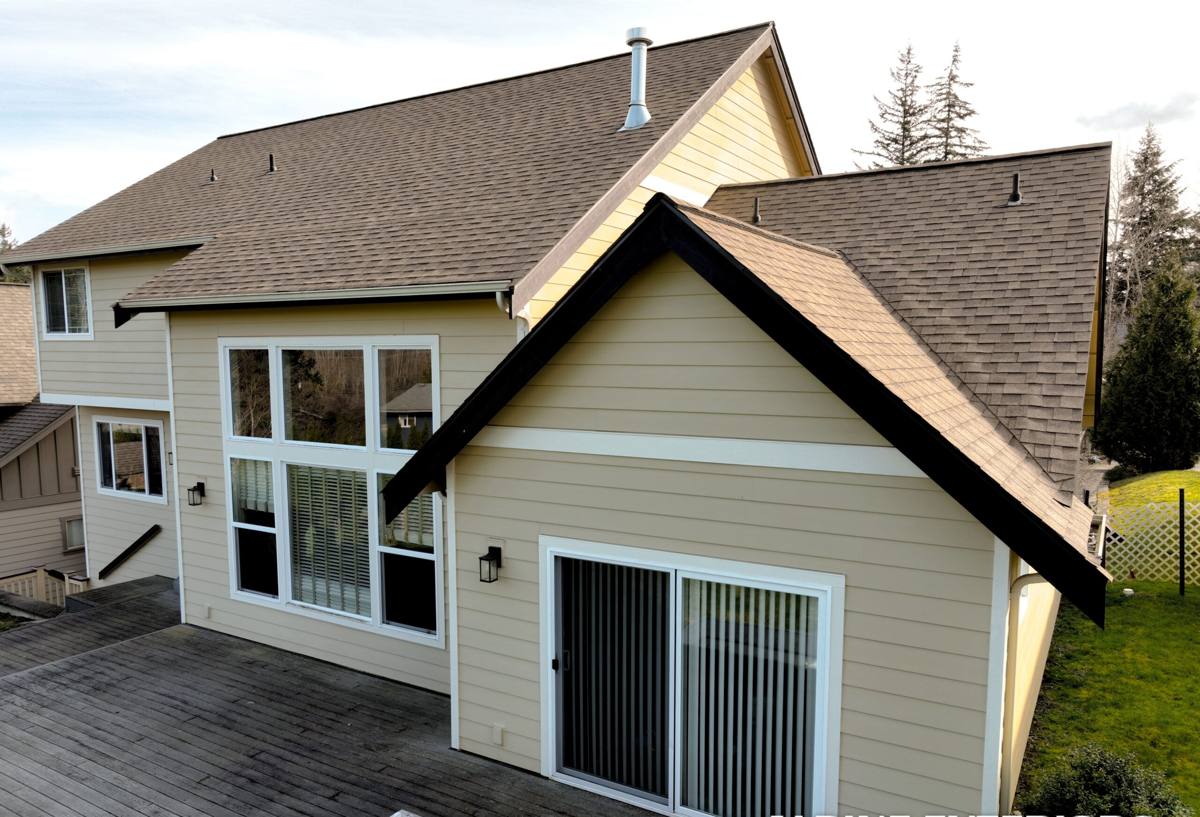
What "Custom" Actually Means for This Job
Custom windows aren't about fancy shapes for their own sake. In practice, it means every opening gets measured and specified on its own — not pulled from a generic size chart — and the frame, glass, and hardware are matched to where that particular window sits on the house.
Sizing and Openings
Older March Point homes, like a lot of older housing stock around Anacortes, often have openings that are slightly out of square or don't match today's standard sizes. Custom sizing means we build (or order) to the actual rough opening instead of forcing a stock size in with extra shims, foam, and hope. That matters more here than in a dry climate — every gap you don't seal correctly is a spot for wind-driven rain to find its way in.
Placement and Orientation
Windows facing the water or the prevailing weather side of the house take the brunt of salt spray and rain. On those elevations we pay closer attention to sill pitch, drainage, and the type of weatherstripping used, since these are the windows most likely to show problems first if anything is done half-heartedly.
Frame Materials: What Holds Up Near Salt Air
Frame material is the biggest long-term decision on a custom window job, and it's worth understanding the real trade-offs rather than picking on brand name alone.
| Frame Material | How It Handles Salt Air & Moisture | Maintenance | Our Take |
|---|---|---|---|
| Vinyl | Resists corrosion well; won't rust or pit | Low — occasional cleaning | Solid, cost-effective choice for most March Point homes |
| Fiberglass | Excellent — very stable in temperature swings and salt exposure | Low | Best long-term performer where budget allows |
| Wood-clad | Good if the cladding and joints are sealed correctly; exposed wood joints are a risk near salt air | Higher — needs regular inspection of seals and finish | We use this selectively and only with careful detailing |
| Aluminum | Prone to corrosion and pitting in coastal salt exposure over time | Moderate to high | We generally steer clients away from bare aluminum for this specific location |
We're not against any manufacturer or product line as a rule — it's about matching the material's known behavior to March Point's actual exposure. A frame that needs frequent resealing or refinishing to stay watertight is a maintenance burden most homeowners don't want to sign up for on a house that already gets hit with wind-driven rain several months a year.
Glass Packages and Performance Options
Double-pane, low-E glass is the baseline we recommend for nearly every custom window in this area — it cuts heat loss during the cold, damp months and reduces condensation on interior glass surfaces, which matters when humidity stays high for long stretches. Beyond that baseline, a few options are worth discussing depending on the specific window:
- Argon or krypton gas fill between panes for added insulation value, especially useful on larger picture windows
- Laminated glass options for added sound dampening if road or water noise is a concern
- Tempered glass where code requires it — near doors, low sills, or bathrooms
- Tinted or coated glass on west- and water-facing elevations to cut glare and heat gain
We'll walk through what actually makes sense for each opening rather than upselling a package that doesn't fit the window's exposure or purpose.
Our Installation Process
The window itself is only part of the job. Installation quality is what determines whether a good window actually performs like one for the next 20-plus years, especially in a spot that gets this much wind-driven rain.
1. On-Site Assessment
We look at each opening individually — framing condition, existing flashing, signs of past water intrusion, and how exposed that particular window is to prevailing wind and rain direction.
2. Removal and Opening Prep
Old windows come out carefully so we can inspect the sheathing and framing underneath. Any rot, soft wood, or compromised flashing gets addressed before a new window goes in — installing a new window over a damaged opening just hides a problem instead of fixing it.
3. Flashing and Weather Barrier
This is the step that matters most for coastal exposure. Proper flashing tape, sill pans, and integration with the house's existing weather-resistive barrier are what actually keep wind-driven rain out — not the caulk bead around the trim.
4. Setting, Shimming, and Sealing
The window is set level and plumb, shimmed correctly so it doesn't bind or sag over time, and sealed with materials rated for the temperature swings and moisture this area sees.
5. Interior and Exterior Finish
Trim and finish work is completed to match the home, and every install is checked for smooth operation and a tight seal before we call it done.
Signs Your Current Windows Are Losing the Battle
A lot of homeowners live with early warning signs for years before addressing them. If you're seeing any of the following on a March Point home, it's worth having the windows looked at:
- Fogging or moisture between panes (a failed seal on double-pane glass)
- Soft or discolored trim and sills, especially on the weather-facing side of the house
- Visible corrosion or pitting on window hardware and frames
- Persistent moss or algae buildup on sills and tracks that keeps returning after cleaning
- Drafts or whistling during windstorms
- Windows that are difficult to open, close, or lock — a sign the frame has shifted
- Rising energy bills without another clear explanation
What Drives the Cost of a Custom Window Job
Every job is different, and we won't quote a number without seeing the actual openings, but the main cost factors on a March Point custom window project are generally the same:
| Factor | Why It Matters |
|---|---|
| Frame material | Vinyl and fiberglass price differently, and fiberglass carries a premium for its added durability |
| Window size and quantity | Larger openings and full-house replacements have different economies than a single window swap |
| Condition of the existing opening | Rot repair or reframing adds labor and material beyond the window itself |
| Glass package | Gas fills, laminated glass, and specialty coatings each add incremental cost |
| Exposure and flashing complexity | Weather-facing elevations often need more careful (and more time-intensive) flashing detail |
| Trim and finish work | Matching existing interior and exterior trim can add scope depending on the home |
We'll give you an honest, itemized estimate so you can see exactly where the money goes rather than a single lump number.
Why It Matters to Hire a Crew That Already Works March Point
General window installation knowledge only goes so far out here. A crew that regularly works this stretch of Skagit County knows which elevations on a March Point home typically take the worst weather, how the local moss and algae growth pattern behaves through the wet season, and what flashing details actually hold up against sustained wind-driven rain rather than just passing a dry-day inspection. That familiarity shows up in fewer callbacks and windows that are still performing well a decade or two later — not in anything flashy, just in the parts of the job nobody sees once the trim is back on.
Living With Windows Long-Term in a Moss-Prone, Salt-Air Environment
Even a well-installed, well-built window benefits from a little seasonal attention in this climate. Rinsing salt residue off exterior glass and frames periodically, keeping weep holes and drainage tracks clear of moss and debris, and checking exterior caulk lines once a year for cracking all go a long way toward protecting the investment. We're happy to walk homeowners through a simple maintenance routine specific to their home's exposure after installation — it's a five-minute conversation that can add years to a window's service life.
If your March Point home has windows showing their age, or you're planning a renovation and want the openings done right the first time, we're happy to take a look and put together a straightforward, no-pressure estimate. Use the form below to get started.