 Anacortes Exterior
 Why Guemes Island Is Hard on Windows
Guemes Island sits out in the marine air off Rosario Strait and Bellingham Bay, and that location shapes everything about how windows perform there. Salt-laden air corrodes exposed metal hardware faster than it does a few miles inland, breaks down cheap weatherstripping and sealants ahead of schedule, and dulls finishes that would otherwise last decades. Add in driving rain that comes sideways during winter storms, and any weak point in a window's seal or flashing gets tested hard, repeatedly, every season.
Then there's the moss. Guemes, like much of Skagit County, holds onto a long damp season where shaded, north-facing walls stay wet for weeks at a stretch. That moisture doesn't just grow moss on roofs — it sits against window sills, trim, and frame joints, and if a window wasn't installed with good drainage and the right materials, that dampness works its way into wood and framing over time. A window that would be perfectly fine on a dry inland lot can start failing early once it's dealing with salt, wind-driven rain, and moss all at once.
None of this means Guemes Island homes need exotic products. It means the details — frame material, flashing, hardware, and installation sequence — matter more here than they do in a milder, drier setting, and skipping them shows up faster.
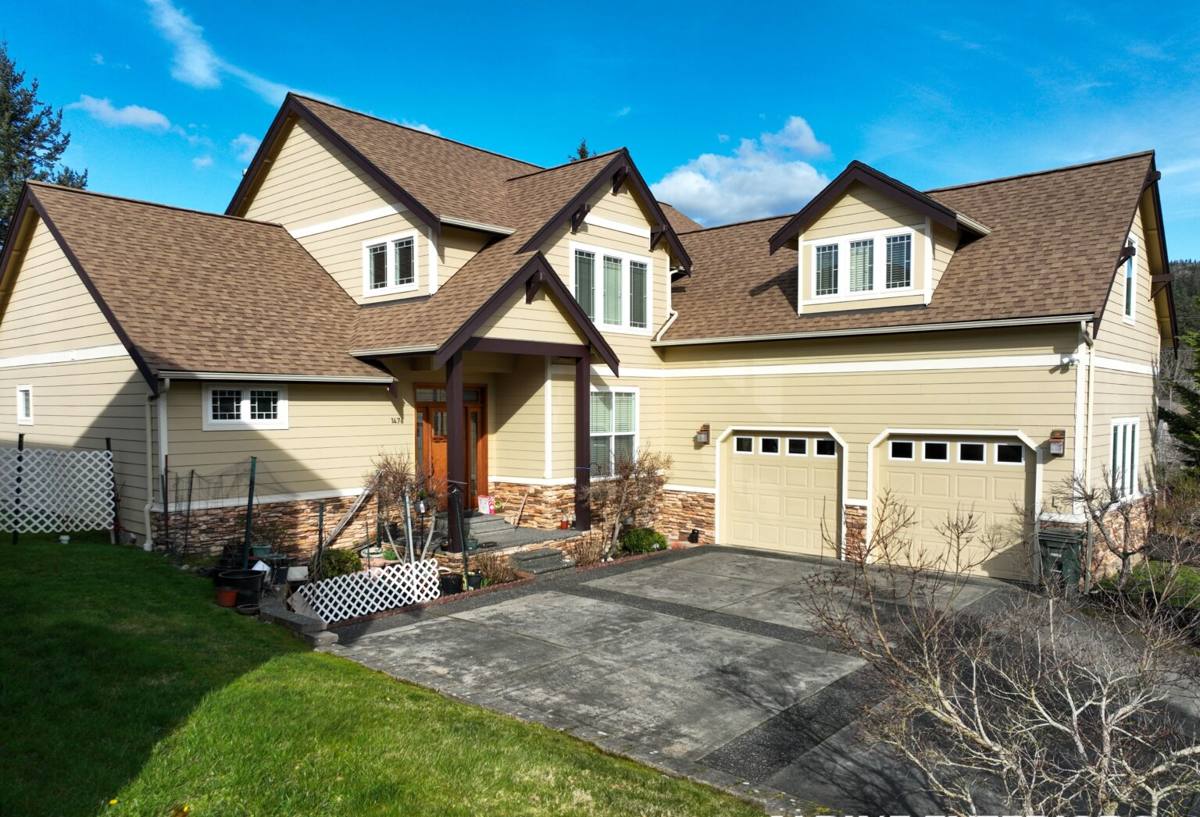
What "Energy-Efficient" Actually Means in This Climate
In a marine climate like Anacortes and the surrounding islands, the biggest energy loss in most homes is heat escaping through poorly performing windows during the long stretch of cool, damp months — not heat gaining in from the sun. That changes which numbers matter most when you're comparing window options.
The ratings worth paying attention to
- U-factor — measures how much heat a window lets escape. Lower is better, and this is the number that matters most for our climate.
- Solar Heat Gain Coefficient (SHGC) — measures how much solar heat passes through. Less critical here than in sunnier regions, but still worth checking on south- and west-facing walls.
- Air leakage rating — measures how much air moves through the window assembly itself, which matters a lot when wind is coming straight off the water.
Low-E coatings, argon gas fills between panes, and warm-edge spacers all work together to reduce heat loss and keep the interior glass surface warmer — which also means less condensation on the inside of the glass during cold, humid stretches. Multi-point locking hardware is worth asking about too, since it compresses the sash evenly against the seal, which matters more when wind-driven rain is pushing against the window from the outside rather than just sitting there.
Reading the signs of a failed seal
If you already have double-pane windows and notice a persistent haze or fog between the panes of glass that won't wipe away, that's the seal between the panes failing, not a cleaning problem. It means the gas fill has likely escaped and the insulating value of that window has dropped, even though the glass still looks intact from a distance.
Frame Material Matters More Here Than Inland
Frame material is one of the biggest factors in how a window holds up in a salt-air environment, and it's worth understanding the honest trade-offs before you decide.
| Material | Salt Air / Corrosion | Moisture & Moss Exposure | Maintenance | Notes for Guemes Island |
|---|---|---|---|---|
| Vinyl | Does not corrode; won't pit or rust | Handles damp conditions well; won't rot | Low — occasional rinse and hardware check | Reliable, budget-friendly baseline for most island homes |
| Fiberglass | Excellent resistance; very stable finish | Handles moisture well, minimal expansion/contraction | Low to moderate | Strong choice for exposed, weather-facing walls |
| Wood | Hardware and finish need extra protection | Vulnerable to rot if finish or flashing fails | High — regular refinishing and inspection | Can work with real maintenance discipline; not our default recommendation for exposed elevations here |
| Aluminum-clad wood | Cladding protects exterior, but hardware can still corrode | Good if flashing is done correctly | Moderate | A middle ground when the look of wood is wanted with less exterior upkeep |
We don't push one material on every job — a shaded, wind-exposed wall on the water side of a Guemes Island home has different demands than a sheltered, south-facing wall on the same house. Part of our job is being honest about which material fits which elevation, rather than selling the same package to everyone.
Installation Details We Won't Skip
A high-quality window installed poorly will underperform a mid-grade window installed correctly — that's true everywhere, but the gap shows up faster on Guemes Island because the weather doesn't give a bad installation any room to hide.
What a correct installation includes
- Sill pan flashing that directs any water that gets past the window out, not into the wall cavity
- Proper integration with the house's existing water-resistive barrier, lapped in the right order so water sheds downward and outward
- Sealants and tapes rated for exterior UV and salt-air exposure, not general-purpose caulk
- Shimming that keeps the frame plumb, level, and square so sashes don't bind or drag as wood and vinyl components expand and contract with moisture and temperature
- Insulation around the frame gap that fills the space without over-compressing it, which can bow the frame and cause air leaks
Every one of these steps is invisible once the trim is back on. That's exactly why they matter — a rushed installation can look identical to a correct one for the first year or two, and then the difference shows up as a soft sill, a drafty corner, or a window that won't latch cleanly.
Working on an Island Shapes How We Run the Job
Guemes Island is only reachable by a short ferry crossing from Anacortes, and that changes how a window project needs to be planned, not just where it happens. We're not learning that on your job — we already work on the island, and we build our schedule and material list around the ferry rather than around convenience.
What that means in practice
- Materials are measured, ordered, and staged before we ever load the ferry, so we're not making a second trip mid-project for something we forgot
- We plan install days around weather windows, since opening up a wall on a driving-rain day isn't good for your home or our work
- Crew and equipment trips are consolidated to keep the project moving efficiently instead of stretching it out over avoidable delays
This kind of planning isn't a selling point so much as a basic requirement for doing the job right out there. A crew that hasn't worked Guemes Island before will learn these lessons on your project. We'd rather you not be the one paying for that learning curve.
Signs Your Current Windows Are Already Costing You Money
Most homeowners don't think about their windows until something is obviously broken, but a window can be quietly losing you money for years before that happens. On Guemes Island specifically, watch for:
- Fogging or haze trapped between the panes of a double-pane window
- A draft you can feel with your hand near the frame edges on a windy day
- Windows that stick, swell, or are hard to latch — often a sign of moisture intrusion into the frame
- Visible moss, mildew, or dark staining building up on sills and lower frame corners
- Glass or frame that feels noticeably cold to the touch even on a mild day
- Condensation pooling on the interior sill on a regular basis, not just after a shower
- A heating bill that's crept up year over year without an obvious explanation
Any one of these on its own might not mean much. Two or three together, especially on the same window, usually means the seal, frame, or installation has started to fail.
Our Process for Guemes Island Window Projects
- Site visit and measurement — we look at each elevation individually, since a wall facing open water needs different consideration than a sheltered one
- Product and material discussion — we walk through frame material trade-offs honestly, based on where each window sits and what it's exposed to
- Ferry-coordinated scheduling — materials staged and ordered ahead of time, install dates set around realistic weather windows
- Removal and installation — old windows removed carefully, flashing and drainage done correctly before the new window ever goes in
- Testing and walkthrough — hardware, locks, and operation checked with you before we consider the job finished
- Cleanup — site left clean, with old materials hauled off the island rather than left for you to deal with
Maintenance After the Install
Energy-efficient windows still need a little upkeep in a salt-air, moss-prone climate — it's minor, but skipping it shortens the life of even a well-installed window.
- Rinse salt residue off frames and hardware a few times a year, especially on water-facing walls
- Keep nearby trees and shrubs trimmed back so window heads and sills get some airflow and sun rather than staying damp and shaded
- Check exterior caulking annually and plan to refresh it every couple of years given the exposure here — sealants break down faster in salt air and UV than the manufacturer's general estimate assumes
- Lubricate locks and hinges periodically so hardware doesn't stiffen up from salt exposure
None of this requires special products or a big time commitment — it's the kind of basic care that keeps a good installation performing the way it's supposed to for its full lifespan.
Let's Take a Look at Your Windows
If you're dealing with drafty, fogged, or hard-to-operate windows on Guemes Island, or you're planning ahead for a remodel, we're happy to come take a look and give you a straightforward, no-pressure estimate. Fill out the form below and we'll get in touch to schedule a visit.