 Anacortes Exterior
 Windows Built for Flounder Bay's Waterfront Exposure
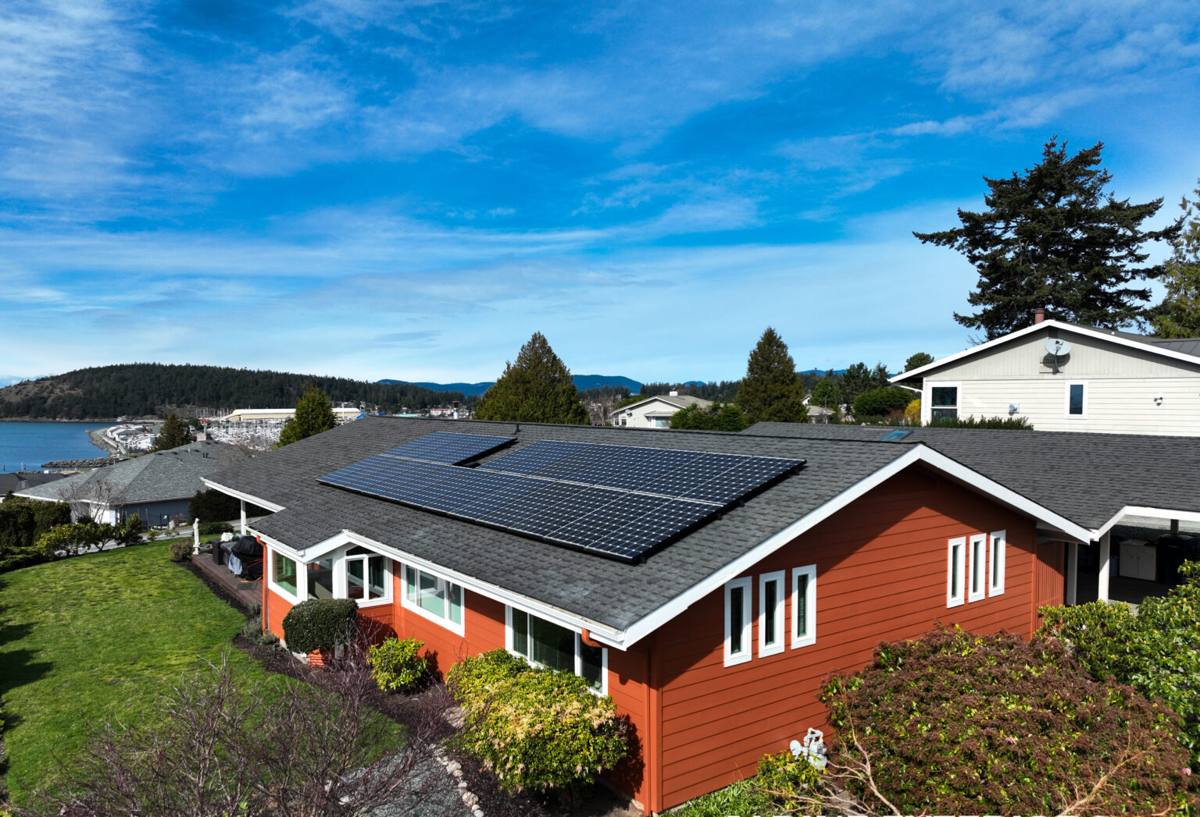
Flounder Bay sits on the water at the north end of Fidalgo Island, and that location shapes everything about how windows perform there. Homes close to the marina and shoreline take a steady dose of salt-laden air, wind-driven rain off the bay, and the kind of persistent damp that Skagit County's marine climate is known for. Windows in this neighborhood work harder than windows a few miles inland, and they show wear differently — corrosion on hardware, failed seals letting moisture into the frame, and finishes that chalk or pit faster than the manufacturer's brochure ever mentions.
We've replaced windows across Anacortes and the surrounding waterfront communities, and Flounder Bay's exposure is a specific case: it's not just rain, it's rain carried sideways on wind coming off open water, combined with salt air that accelerates corrosion on anything less than fully weather-rated hardware. A window replacement here isn't just a cosmetic upgrade — it's an opportunity to correct whatever weak point let moisture or drafts in the first time around.
Signs a Flounder Bay Home Needs New Windows
Not every old window needs to go. But in this neighborhood, certain symptoms show up earlier and more often than in drier, more sheltered parts of Anacortes:
- Fogging or a permanent haze between panes — the seal has failed and the insulating gas or dead air space is compromised
- Soft or discolored wood at the sill or lower corners, often the first place bulk water collects and lingers
- Hardware (locks, hinges, cranks) that's corroded, sticky, or pitted well before the rest of the window looks worn
- Visible daylight or a draft at the frame when wind is coming off the bay
- Paint or finish failure concentrated on the water-facing side of the house, while other elevations still look fine
- Musty smell or visible mold at the interior sill, a sign moisture is getting past the seal and not drying out
That last pattern — problems concentrated on one elevation — is common on waterfront lots. It tells us where the weather load is heaviest, and it changes how we detail that side of the house during replacement, even if the rest of the windows are holding up fine.
Why Salt Air Accelerates the Problem
Salt in the air settles on every exterior surface, including window frames and hardware. On aluminum and lower-grade vinyl components, that salt film holds moisture against the material longer than plain rainwater would, which speeds up corrosion and pitting. It's a slow process — most homeowners don't notice until hardware seizes up or a finish starts failing in patches — but it's consistent and predictable in bay-front locations, which is exactly why the products and hardware we spec for Flounder Bay jobs differ from what we'd use on a sheltered inland lot.
What a Correct Installation Looks Like Here
A window replacement is only as good as the flashing and sealing details underneath it, and that matters more in a wind-driven rain environment than almost anywhere else. The window itself rarely fails first — the water management around it does.
The Details We Don't Skip
- Sill pan flashing under every opening, so any water that does get past the window has a sloped, sealed path back out instead of soaking into the framing
- Proper head flashing integrated with the house wrap or weather-resistive barrier, lapped correctly so water sheds over the top of the window, not behind it
- Continuous sealant beads at the right layers — sealing the interior air barrier and leaving the exterior able to drain, not sealing every seam solid and trapping moisture inside the wall
- Corrosion-resistant fasteners and hardware rated for coastal or high-moisture exposure, not standard-grade hardware that looks fine on day one
- Shimming and squaring so the sash operates smoothly and the seal compresses evenly around the whole frame — an out-of-square install is a slow leak waiting to happen
On a bay-facing wall, we'll often add extra attention to the head flashing and sill pan even beyond what code requires, because that elevation is absorbing more wind-driven water than the rest of the house. This is a judgment call made on site, based on the specific wall and exposure, not a one-size-fits-all spec.
Choosing Frame Materials for This Location
Frame material matters more in Flounder Bay than in a lot of other Anacortes neighborhoods, because salt air and constant damp punish the wrong choice faster.
| Frame Material | How It Handles Salt Air & Moisture | Maintenance Burden |
|---|---|---|
| Vinyl (quality, welded-corner) | Doesn't corrode; UV and salt exposure over many years can affect color and rigidity depending on grade | Low — occasional cleaning, no painting |
| Fiberglass | Very stable dimensionally, resists moisture and salt well, holds paint or factory finish longer | Low to moderate — better long-term finish retention |
| Wood (clad or unclad) | Handsome, but unclad wood is vulnerable to the sill and corner rot patterns common here without diligent upkeep | High — regular inspection and refinishing, especially bay-facing sides |
| Aluminum | Prone to pitting and corrosion in salt air unless it's a marine-grade or well-anodized product | Moderate to high — hardware and finish need monitoring |
We don't push one material on every job. A well-detailed wood window on a sheltered wall can last decades; the same window facing open water with no overhang will age much faster. Part of our estimate conversation is looking at each elevation of your house and matching the frame material to what that specific wall actually faces.
Glass and Weatherstripping Choices That Matter Here
Beyond frame material, a few product-level decisions make a real difference for a bay-front home:
Insulated Glass Units
A quality dual-pane unit with a warm-edge spacer (rather than a basic aluminum spacer) resists seal failure longer under the temperature swings and constant moisture exposure typical here. Argon-filled units add a modest efficiency boost but the spacer and seal quality matter more for longevity in this climate than the fill gas does.
Weatherstripping and Compression Seals
Cheap weatherstripping compresses unevenly and loses its seal within a few years, especially with the wind loading a bay-front house sees regularly. We look for durable, replaceable weatherstripping systems so that even years down the road, a worn seal is a simple part swap rather than a reason to replace the whole window.
Operable Hardware
Locks, cranks, and hinges should be rated for coastal or marine exposure. This is a small line item on a quote but it's often the first thing to fail on a lower-grade window in this neighborhood, well before the glass or frame show any problem.
Our Process for a Flounder Bay Window Replacement
- On-site assessment — we look at every window opening, note which elevations face the water and prevailing wind, and check existing framing and sill condition for hidden water damage
- Honest scoping — we tell you plainly which windows need full replacement, which could be repaired, and which are fine as-is; we don't upsell a full-house job when it isn't warranted
- Product selection — matched to each elevation's actual exposure, not a blanket spec across the whole house
- Removal and inspection — once the old window is out, we check the rough opening and framing for rot or moisture damage before anything new goes in; this is where hidden problems from the original install often surface
- Flashing and installation — sill pan, head flashing, air-seal and water-seal layers done in the right order, hardware set to spec
- Final check — operation, seal, and finish inspected before we consider the job done
What to Expect for Cost
Costs vary by window size, frame material, and how much flashing or framing repair is needed once we open up the wall — an older bay-front home with sill damage will cost more to do right than a straightforward swap in good framing. Rather than quote a number that doesn't reflect your actual house, we walk the property and give you a scoped estimate based on what we find, broken down by window so you can see where the cost comes from and make decisions room by room if that's helpful for your budget.
Factors That Drive the Estimate
| Factor | Why It Matters |
|---|---|
| Frame material chosen | Vinyl, fiberglass, and wood carry different material and labor costs |
| Hidden framing or sill damage | Rot repair adds labor and material beyond a straightforward window swap |
| Elevation and exposure | Bay-facing openings may warrant extra flashing detail or upgraded hardware |
| Window count and size | Larger or custom-sized openings cost more than standard sizes |
| Access | Second-story or hard-to-reach openings can add labor time |
Why a Crew That Already Works This Neighborhood Matters
Flounder Bay isn't a generic subdivision — it's a specific microclimate within Anacortes, and the houses here reflect decades of exposure to salt air, sideways rain, and Skagit County's long, damp moss season that keeps roofs, siding, and trim wet longer than in drier parts of the state. A crew that's worked this exposure before knows to check the water-facing elevation more carefully, knows which hardware grades hold up and which don't, and doesn't have to learn those lessons on your house. That experience shows up less in the sales pitch and more in the details you won't see once the trim is back on — the flashing lap, the sealant layering, the shim placement — which is exactly where a window replacement succeeds or fails over the long run.
If you're weighing whether your Flounder Bay windows need replacing, repair, or just better maintenance, we're happy to take a look and give you a straight answer — including telling you if replacement isn't necessary yet. Reach out for a free, no-pressure estimate using the form below.