 Anacortes Exterior
 Cap Sante Decks Take a Different Kind of Beating
Cap Sante sits close enough to the water that its decks live a harder life than decks ten miles inland. The combination of salt-laden air off Fidalgo Bay, wind-driven rain, and long stretches of shade from mature trees and hillside lots means the wood, fasteners, and finishes on a Cap Sante deck are working overtime year-round. We've repaired enough decks in this part of Anacortes to know the failure patterns are consistent — and predictable, if you know what to look for.
This page is about deck repair specifically for homes in and around Cap Sante. It's not a generic "how to fix a deck" article. It's what we actually see when we pull up decking boards and look underneath in this neighborhood, and how we approach fixing it correctly instead of just patching what shows.
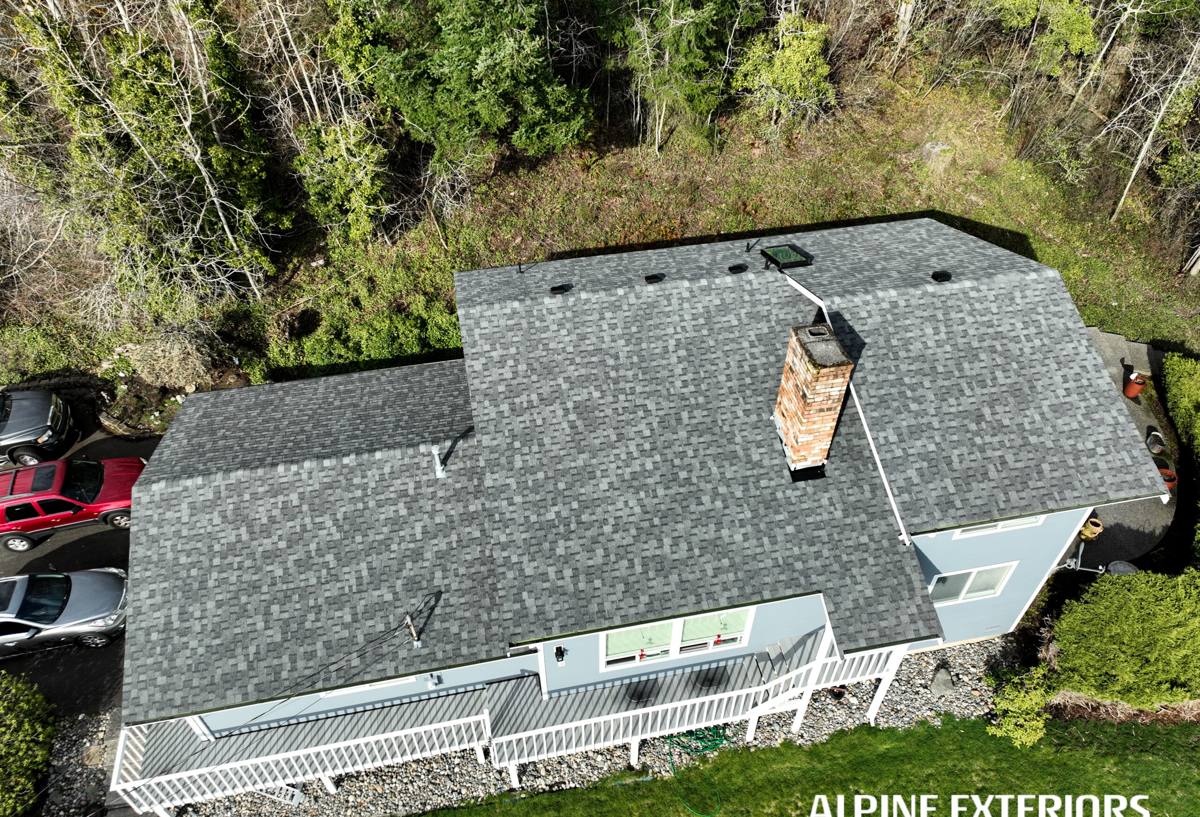
What Salt Air and Marine Exposure Do to a Deck
Fasteners and Hardware Corrode First
Salt air accelerates corrosion on anything metal — nails, screws, joist hangers, post bases, bolts. On a deck that's more than a few blocks from the water, a standard galvanized fastener might last its expected service life. Closer to Cap Sante's shoreline, the same fastener can start showing rust bleed and pitting years earlier. Once a fastener corrodes, it loses holding strength long before it looks obviously "broken," which is why a deck can feel solid underfoot right up until a board or railing gives way.
Finishes Break Down Faster
Salt combined with UV and moisture wears through stains and sealers faster than in a drier, less exposed location. A finish schedule that works fine on a deck in a sheltered inland yard often needs to be tightened up for a Cap Sante deck, or the wood underneath starts graying, checking, and absorbing water years ahead of schedule.
Moss, Shade, and Trapped Moisture
Anacortes gets a long wet season, and Cap Sante's tree cover and hillside lots mean a lot of decks sit in partial shade for much of the year. That combination — moisture plus limited sun and airflow — is exactly what moss and algae need to take hold. Moss season here can run from fall through spring, and a deck that never fully dries out is a deck that's slowly rotting from the surface down, even if it still looks intact.
Where Moss Hides the Real Damage
Moss growth isn't just cosmetic. It holds water against the wood surface, and it tends to build up thickest in the spots that already drain poorly — between deck boards, along the north side of a house, and where a deck meets a wall or post. Those same low-drainage spots are usually where we find the worst hidden rot when we start pulling boards. A homeowner who only power-washes the moss off the top is cleaning the symptom, not the cause.
Common Deck Repair Needs We See in Cap Sante
Every deck is different, but the repair calls we get in this part of Anacortes tend to fall into a short list of recurring problems:
- Rusted or corroded joist hangers and structural screws, especially on decks facing open water or wind
- Soft or spongy decking boards, usually where moss or leaf debris collects and traps water
- Rotted ledger boards where the deck attaches to the house — often the most serious issue, since the ledger carries structural load
- Cracked, leaning, or loose railing posts, sometimes from wood rot at the base and sometimes from fasteners that have lost their grip
- Stair stringers showing rot or checking, particularly on stairs that don't get much sun
- Board cupping or splitting from repeated wet-dry cycles
- Undersized or missing flashing where the ledger meets the house, letting water track behind the siding
What a Correct Repair Actually Involves
A lot of "deck repair" in this climate gets done as surface work — replace the board that looks bad, sister a joist that's sagging, call it done. That approach can leave the actual problem in place. A correct repair starts underneath, not on top.
Our Inspection Comes First
Before we replace anything, we get underneath the deck and check the structural framing: ledger attachment, joist condition, post bases, and any hardware that's carrying load. We're checking for rot, corrosion, and moisture paths — not just what's visible from standing on the deck. This is the step that gets skipped most often, and it's the one that determines whether a repair actually holds.
Patch Repair vs. Proper Repair
| Approach | What It Fixes | What It Misses |
|---|---|---|
| Surface patch (replace visible boards only) | Cosmetic appearance, immediate trip hazard | Hidden rot in joists, ledger, or fasteners underneath |
| Full structural repair | Framing, fasteners, flashing, and surface together | Nothing critical — but takes more time and costs more upfront |
| Full replacement | Everything, fresh start | Only worth it once the structure is too far gone to repair economically |
Most Cap Sante decks we look at fall into the middle category — they don't need full replacement, but they need more than a surface patch to actually be safe and last.
How Our Repair Process Works
- Full inspection of decking, framing, ledger, posts, railings, and stairs — including a check for moisture damage and hardware corrosion that isn't visible from the top
- Honest assessment of what's structural versus cosmetic, explained in plain terms before any work starts
- A written scope covering exactly what will be repaired or replaced, with fastener and hardware grade specified
- Repair work: replacing rotted framing members, upgrading corroded fasteners and hangers, correcting flashing where water is getting behind the ledger, and replacing damaged decking boards
- A final check for drainage and airflow issues that fed the original problem, so the repair doesn't just repeat itself in a few years
Repair vs. Replace: Cost Factors
Cost ranges vary a lot by deck size, framing material, and how much rot has spread, so we don't quote a number until we've actually inspected the deck. What we can tell you is what drives the cost one way or the other:
| Factor | Pushes Toward Repair | Pushes Toward Replace |
|---|---|---|
| Ledger board condition | Solid, only surface weathering | Rotted or pulling away from the house |
| Framing (joists, beams) | Isolated soft spots, mostly sound | Widespread rot or repeated past patch jobs |
| Age of deck | Under 15-20 years, built to a reasonable standard | Older deck with outdated framing or undersized members |
| Fastener/hardware corrosion | Localized, easy to access and swap | Widespread corrosion throughout the structure |
| Decking surface | Boards sound, just weathered or mossy | Cupping, splitting, or soft throughout |
Materials We Use and Why
In a salt-air, high-moisture area like Cap Sante, material choice matters more than it does inland. We favor stainless steel or heavy hot-dip galvanized fasteners over standard coated screws for structural connections, because standard coatings can wear through faster this close to the water. For framing repairs, we match or upgrade the original lumber grade and make sure new wood-to-wood and wood-to-metal contact points get proper flashing or moisture barrier, not just bare contact.
We're honest about trade-offs rather than pushing one product as a cure-all. Composite decking, for example, resists rot and moss staining better than wood but can still fail if the framing underneath isn't sound — it's not a substitute for fixing the structure, and it comes with its own installation tolerances and warranty terms worth understanding before committing to it. Pressure-treated wood framing is durable and cost-effective but still needs the right fasteners and flashing to hold up here. There's no single "best" material — there's the right material for the specific repair and exposure.
A Quick Pre-Repair Checklist
Before calling anyone about deck repair, it's worth doing a quick walk-around yourself:
- Press on decking boards near the house and near any shaded, mossy areas — soft spots mean trouble
- Look at the ledger board where the deck meets the house for gaps, staining, or soft wood
- Check railing posts for movement or wobble at the base
- Look underneath (if accessible) for rust streaks on hardware or visible rot on joists
- Note any spots where moss or standing water collects after rain
Why Hiring a Crew That Already Works Cap Sante Matters
A contractor who mostly works drier, inland jobs may not think twice about fastener grade or flashing detail, because in that climate, standard materials hold up fine. In Cap Sante, that same standard approach shortens the life of a repair. We work decks in this exposure regularly, which means we're not guessing at how salt air, shade, and Anacortes' wet season interact with a given repair — we've already seen how it plays out.
That familiarity also means fewer surprises during the job. We know to expect corrosion at specific connection points before we even open things up, and we plan the repair scope accordingly instead of discovering it mid-project and re-quoting.
Keeping a Repaired Deck Healthy Afterward
A good repair buys you time, but a few habits stretch that further in this climate:
- Keep debris and moss cleared from between boards, especially in shaded sections, so water can actually drain
- Re-check and refresh the finish or sealer more often than a manufacturer's inland-climate schedule suggests
- Walk the deck after major storms and check railings and stair connections for movement
- Keep an eye on the ledger area for staining or gaps, since that's the connection point most exposed to trapped moisture
None of this replaces a proper structural repair when one's needed, but it slows down how fast the next set of problems shows up.
Get a Straight Answer on What Your Deck Needs
If your deck in Cap Sante has soft spots, moss buildup, wobbly railings, or you just haven't had it looked at in a while, we're happy to come take a look and tell you honestly what's cosmetic and what's structural. There's no pressure and no obligation — just a straightforward assessment from a crew that knows what this climate does to a deck. Use the form below to request a free estimate.