 Anacortes Exterior
 Roofing in Bow Has Its Own Set of Problems
Bow sits close enough to the water and open farmland that roofs here take a different kind of beating than roofs twenty miles inland. You get salt-laden air moving off the bay, long stretches of driving rain that comes in sideways more often than straight down, and a moss season that can run from fall through spring in a wet year. None of that is unique to any one street or subdivision in Bow — it's a Skagit County coastal reality, and it shows up in how fast a roof ages, not just whether it leaks.
An asphalt shingle roof that's installed correctly and maintained with this climate in mind will outlast one that was installed the same way you'd install it in a dry inland town. The materials are the same. The details that matter are different. That's the whole point of a page like this one — the right answer for Bow isn't automatically the right answer everywhere else.
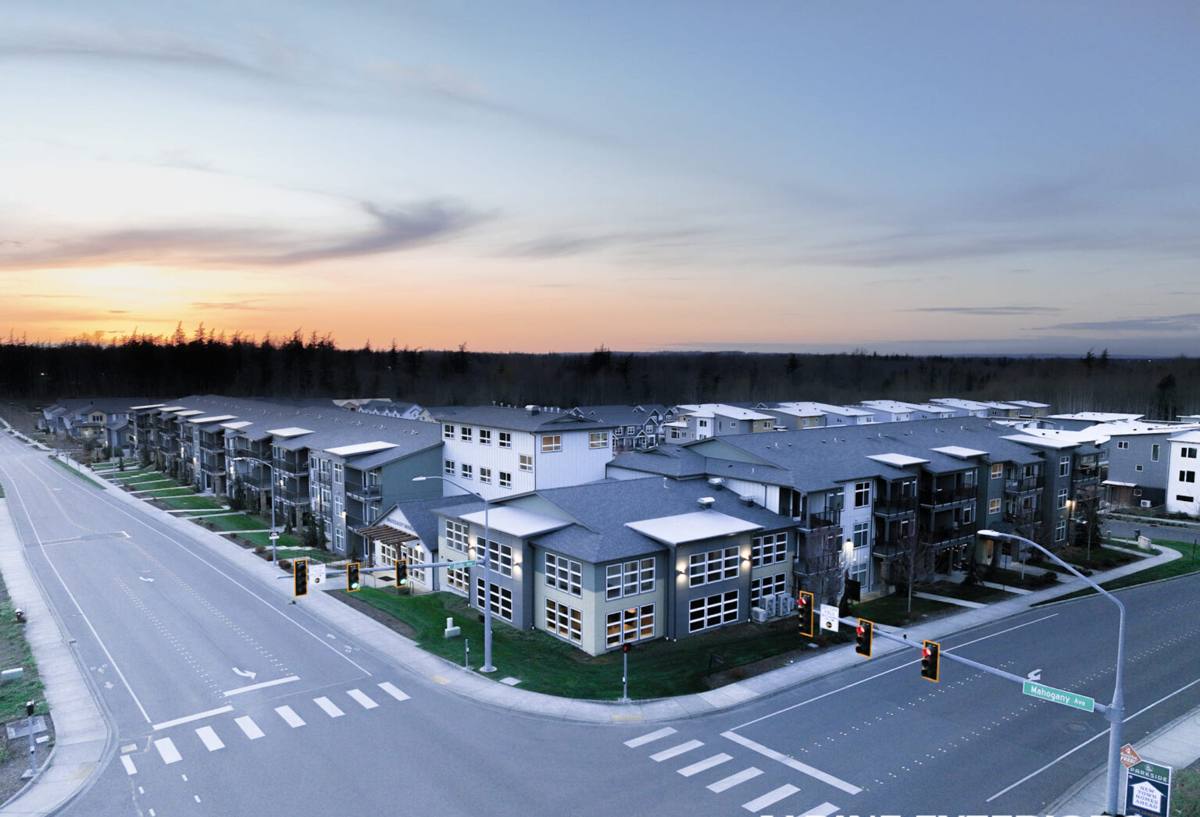
What Salt Air, Rain, and Moss Actually Do to a Shingle Roof
Salt Air
Salt-carrying moisture doesn't just sit on the surface of a shingle — it works into exposed fasteners, flashing seams, and any metal component that isn't rated for a marine-influenced environment. Over years, that accelerates corrosion on nail heads, vent boots, and flashing edges long before the shingles themselves wear out. A roof can look fine from the ground while its metal components are quietly failing underneath.
Driving Rain
Wind-driven rain doesn't behave like a normal downpour. It gets pushed sideways and upward under shingle tabs, around chimney flashing, and into any gap that a calmer climate would never test. This is why underlayment choice and flashing detail work matter more here than the shingle brand printed on the wrapper. A roof can pass a dry-day inspection and still leak the first time a real coastal storm hits it at an angle.
Moss Season
Shaded, north-facing slopes and roofs under tree cover in Bow can stay damp for weeks at a stretch during the wet months. That constant moisture is exactly what moss and algae need to get established. Once moss roots into a shingle's granule layer, it holds water against the surface, lifts tabs, and speeds up granule loss — which is the beginning of the end for asphalt shingles, since granules are what protect the asphalt layer underneath from UV and weather.
What a Correct Installation Actually Involves
"Correct" isn't a marketing word here — it's a specific list of steps that either happened or didn't. When we say a roof was installed correctly for this climate, we mean:
Full Tear-Off and Deck Inspection
Layering new shingles over old ones hides problems instead of fixing them. A full tear-off lets us see the actual roof deck, check for soft spots or water damage from past leaks, and replace any compromised sheathing before it's covered up again.
Ice-and-Water Shield in the Right Places
Self-adhering waterproof membrane belongs at eaves, valleys, and around every roof penetration — chimneys, skylights, vent pipes. In a driving-rain climate, this is the layer that stops wind-forced water before it ever reaches the deck, not a nice-to-have upgrade.
Synthetic Underlayment Across the Field
A quality synthetic underlayment sheds water better and holds up longer under damp conditions than older felt products, which matters when a roof spends a good chunk of the year genuinely wet rather than just rained on occasionally.
Balanced Ventilation
Intake at the eaves and exhaust at the ridge need to work together. Without it, moisture gets trapped in the attic, which shortens the life of the roof deck from underneath and can encourage the same damp conditions that feed moss growth from above.
Metal Flashing and Fasteners Rated for the Environment
We use corrosion-resistant flashing and fasteners rather than the minimum-grade hardware that's fine in a dry climate but wears out early near salt air.
Choosing a Shingle Product for Coastal Skagit County Conditions
Most major shingle manufacturers make products that can hold up in this climate — the differences show up in algae resistance, wind rating, and how forgiving the product is during installation. Here's how the common categories compare for a property like a Bow home:
| Shingle Type | Moss/Algae Resistance | Wind Rating | Typical Lifespan Here |
|---|---|---|---|
| Standard 3-tab | Low unless algae-resistant granules specified | Lower end of the range | 15-20 years, often less under heavy moss pressure |
| Architectural / dimensional | Good, especially with algae-resistant (AR) granules | Mid to high, depending on line | 25-30 years with proper ventilation and upkeep |
| Premium/designer laminate | Best available in asphalt, built-in AR granules standard | High | 30+ years, still requires the same maintenance |
We steer most Bow homeowners toward architectural shingles with algae-resistant granules as the practical baseline — the AR treatment specifically slows the blue-green algae staining that's common on damp coastal roofs, and the thicker profile holds up better to wind-driven rain than a basic 3-tab. Premium lines are worth it if you want maximum lifespan or a specific look, but they don't remove the need for moss upkeep — no asphalt product does.
Our Process, Start to Finish
- On-site inspection: We look at the deck, existing ventilation, flashing condition, and moss/algae pattern before quoting anything.
- Written estimate: A clear scope of work and price — no vague allowances that turn into surprise add-ons mid-project.
- Material selection: We walk you through shingle options based on your roof's exposure, not just the cheapest or most expensive option on the shelf.
- Tear-off and deck repair: Old roofing removed, deck inspected and repaired as needed before anything new goes down.
- Underlayment, flashing, and shingle installation: Done in the sequence and with the materials described above.
- Ventilation check: Intake and exhaust confirmed balanced for the roof's size and attic layout.
- Cleanup and walkthrough: Site cleared of debris and nails, and we walk the finished roof with you before calling the job done.
Signs a Bow Roof Needs Attention Now
- Dark streaking or a greenish-black cast on north-facing slopes — early algae growth
- Visible moss clumps, especially in shaded valleys or under tree cover
- Granules collecting in gutters or at downspout outlets
- Curling, cupping, or lifted shingle tabs, particularly on wind-exposed sides
- Rust staining around vent pipes or chimney flashing
- Daylight visible through the roof deck from inside the attic
- Soft or spongy spots when walking the roof during inspection
- Interior ceiling stains after a heavy wind-driven rain event
Catching any of these early is almost always cheaper than waiting. Moss and trapped moisture in particular do their damage slowly and quietly, which is exactly why they're easy to ignore until a repair becomes a replacement.
What Drives Cost on a Bow Roofing Project
| Factor | Why It Matters |
|---|---|
| Roof size and pitch | More surface area and steeper slopes mean more material and labor time |
| Deck condition | Rot or soft sheathing found during tear-off adds repair cost but prevents a bigger problem later |
| Shingle grade | 3-tab, architectural, and premium laminate lines carry different material costs |
| Number of penetrations | Chimneys, skylights, and multiple vent stacks each need individual flashing work |
| Existing ventilation | Adding or upgrading intake/exhaust vents is sometimes needed and adds to scope |
| Access and site conditions | Tree cover, steep lots, or tight access can affect labor time |
We don't publish blanket prices because two roofs of the same square footage in Bow can cost meaningfully different amounts once deck condition and complexity are factored in. What we do promise is a written estimate that spells out exactly what's included before any work starts.
Why It Matters That We Already Work in Bow
A roofing crew that mainly works dry inland climates tends to default to inland habits — standard underlayment, minimum-code ventilation, hardware that's fine most places but not here. A crew that regularly works Bow and the surrounding Anacortes and Skagit County area already knows which slopes hold moss longest, how aggressively salt air corrodes exposed fasteners on this stretch of coastline, and where wind-driven rain actually finds its way into a roof system. That local pattern recognition shows up in fewer callbacks and roofs that perform the way they're supposed to for their full expected lifespan, not just on a sunny inspection day.
Maintenance That Actually Extends Roof Life Here
Even a correctly installed roof needs upkeep in this climate. A few habits make a real difference:
- Keep overhanging branches trimmed back to reduce shade and debris buildup
- Clear gutters and valleys of leaves and moss debris at least twice a year
- Have moss physically removed rather than just treated when it's already established
- Schedule a roof check after any major windstorm, not just on a fixed annual calendar
- Address small flashing or fastener issues promptly before salt air corrosion spreads
None of this is complicated, but it's easy to let slide, and this particular climate doesn't forgive neglect the way a drier one would.
Get a Straight Answer for Your Roof
If you're not sure whether your Bow home needs a repair, a partial re-roof, or a full replacement, we'll take a look and tell you honestly which one it is. We offer free, no-pressure estimates — use the form below to get one scheduled.