 Anacortes Exterior
 Windows Built for the Cap Sante Waterfront
Cap Sante sits close to the water, and that proximity is exactly why windows here wear out differently than windows ten miles inland. Homes near the marina and the hillside above it take a steady diet of salt-laden air, wind-driven rain off Fidalgo Bay, and the long gray stretch of moss season that Skagit County is known for. None of that is dramatic on any given day, but it adds up year after year, and it shows up first at the windows: swollen sashes, foggy double-pane glass, corroded hardware, and frames that have gone soft at the bottom corners.
We replace windows for homeowners throughout Anacortes, and Cap Sante is one of the areas where getting the details right matters most. A window that would be perfectly fine in a drier climate can fail early here if it's installed without attention to flashing, sealants, and material choice suited to salt exposure. This page walks through what that actually looks like — not sales language, just what a correct job involves and why it's worth doing once, correctly.
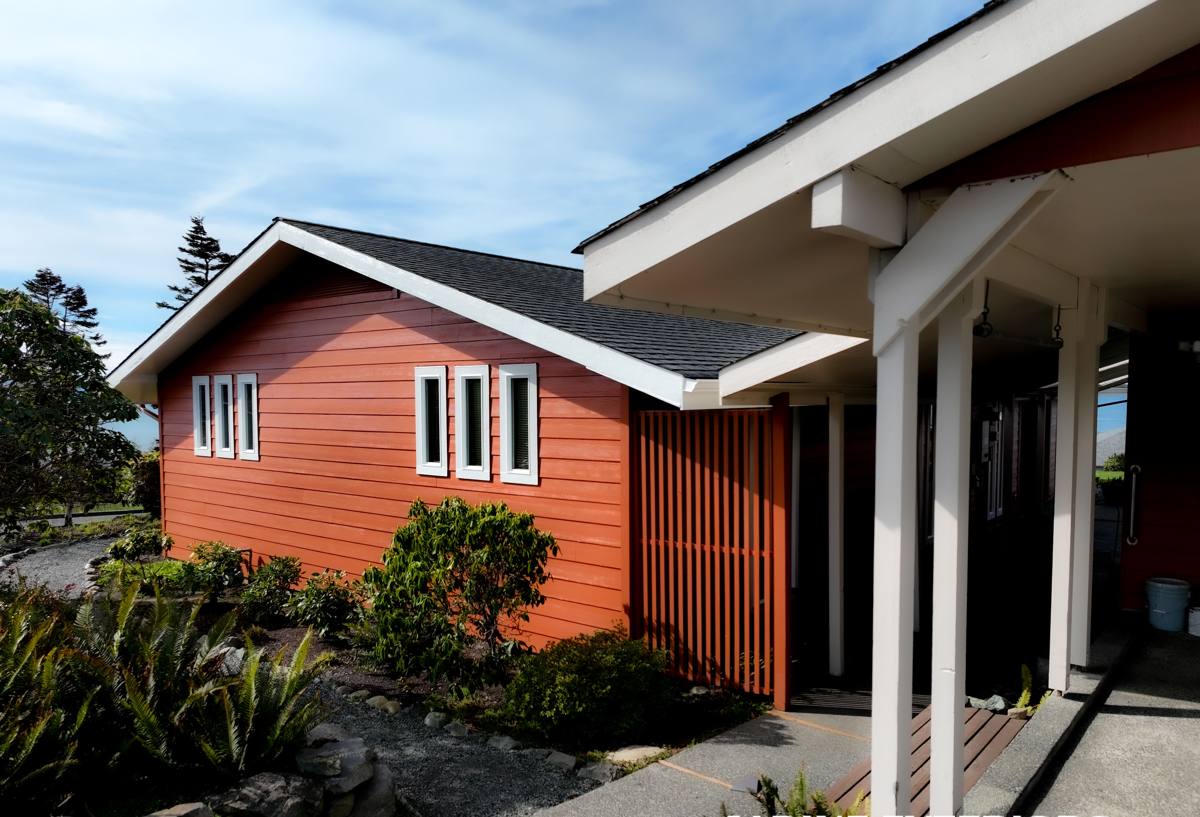
Why Cap Sante's Climate Is Hard on Windows
A few conditions combine here in ways that homeowners moving from other parts of the state don't always expect:
- Salt air corrosion: Airborne salt from the bay accelerates corrosion on aluminum hardware, screws, and lesser-grade fasteners. Over years, this is often what fails before the glass or the frame does.
- Wind-driven rain: Storms coming off the water don't just fall straight down — they push rain sideways into wall assemblies, which stresses any window that wasn't flashed and sealed with that direction of water travel in mind.
- Moss and constant moisture: Anacortes gets an extended damp season. Wood sills and trim that hold moisture instead of shedding it become hosts for moss, algae, and eventually rot, especially on north- and west-facing walls that don't get much sun to dry out.
- Temperature swings between marine layer mornings and clear afternoons: This daily cycling stresses seals on older insulated glass units, which is a common cause of the foggy or "sweating" glass homeowners notice between panes.
None of this means windows can't last decades in Cap Sante. It means the product, the installation method, and the maintenance plan all need to account for the environment rather than ignore it.
Signs a Cap Sante Home Needs Window Replacement
Not every issue means full replacement — some are solved with maintenance or a simple sash repair. But these are the signs that usually point to replacement being the more honest recommendation:
- Fogging or a visible haze between the panes of double-pane glass — the seal has failed and can't be restored.
- Frames that feel soft, spongy, or show dark staining at the bottom corners, especially on wood-framed windows.
- Windows that are difficult to open, close, or lock, particularly if hardware has visibly corroded or pitted.
- Noticeable drafts or cold spots near the window even when it's fully closed and latched.
- Visible daylight or gaps around the frame where it meets the wall.
- Rising heating bills without another clear explanation, especially in homes with original single- or early double-pane windows.
What a Correct Installation Involves
The window unit itself is only part of the job. In a marine-exposed area like Cap Sante, the installation details are what determine whether a window lasts 10 years or 30.
Removing the Old Window the Right Way
We remove the existing window and inspect the rough opening before anything new goes in. This is the point where hidden rot, old or missing flashing, and water damage from years of small leaks get found — problems that are invisible from outside and get sealed over if a crew is only focused on the window itself rather than the wall assembly around it.
Flashing and Water Management
This is the step that matters most in a wind-driven-rain climate. Proper flashing directs water that reaches the window opening back out of the wall rather than letting it collect behind the trim. We use a flashing sequence — sill pan, side flashing, head flashing — layered so each piece sheds water onto the one below it, not the reverse. Skipping or shortcutting this step is the single most common cause of hidden rot behind window trim in older Anacortes homes.
Sealing and Insulating
Gaps between the new window frame and the rough opening get insulated and air-sealed, not just caulked shut on the surface. A bead of caulk on the outside can look finished while leaving an uninsulated, uncontrolled air gap underneath — which shows up later as a draft or a moisture problem.
Exterior Finish Work
Trim, casing, and exterior caulking are finished with attention to how water will move across that wall in a storm, not just how it looks on a dry day. Sealant choice matters here too — a cheap exterior sealant will fail years before a marine-grade one, and pulling trim to redo it later costs more than doing it right the first time.
Choosing the Right Window Materials for a Salt Air Environment
Material choice affects how a window holds up near the water more than most homeowners expect. Here's how the common options compare for a Cap Sante application:
| Material | Salt Air / Moisture Performance | Maintenance | Typical Trade-Offs |
|---|---|---|---|
| Vinyl | Good — won't corrode or rot, handles moisture well | Low — occasional cleaning | Frame color/finish options more limited than wood or fiberglass |
| Fiberglass | Very good — dimensionally stable, resists moisture and salt exposure | Low | Higher upfront cost than vinyl |
| Wood (clad exterior) | Depends entirely on the cladding and how well seals are maintained | Higher — exterior cladding and seals need periodic inspection | Best interior appearance for some homeowners, but more exposure risk if maintenance lapses |
| Bare aluminum | Poor near saltwater — prone to corrosion and pitting over time | Moderate to high | We generally steer Cap Sante homeowners away from bare aluminum frames given the corrosion exposure this close to the bay |
We don't push one material on every home — a wood-clad window can be the right call for a homeowner focused on interior appearance who's committed to upkeep, while vinyl or fiberglass is often the lower-maintenance choice for a home directly exposed to wind off the water. We'll walk through the trade-offs for your specific exposure during the estimate rather than defaulting to whatever's easiest to sell.
Glass and Hardware Considerations
Beyond the frame material, two other choices matter more in Cap Sante than they would inland:
Glass Package
Double-pane insulated glass is the standard baseline. For homes with more direct west or water-facing exposure, a low-E coating helps manage both heat loss in winter and glare/heat gain on the clearer afternoons Anacortes does get. Argon or krypton gas fill between panes improves insulation performance but isn't essential on every window — it's worth discussing where it earns its cost and where it doesn't.
Hardware and Fasteners
Locks, hinges, and cranks that are rated for coastal or corrosion-resistant use will hold up considerably longer than standard-grade hardware. This is a small line-item difference in cost that has an outsized effect on how the window operates five or ten years down the road — sticking locks and seized cranks are almost always a hardware problem, not a frame problem.
Our Process, Start to Finish
- On-site assessment: We look at each window's condition, the wall assembly, sun/wind exposure, and any existing moisture or rot issues before recommending anything.
- Honest recommendation: We tell you which windows genuinely need replacement, which could be repaired, and which are fine as-is. We're not paid more for replacing windows that don't need it.
- Written estimate: Clear pricing by window, material options explained, and a realistic timeline.
- Installation: Old window removal, opening inspection, flashing, insulation, new window install, and exterior finish work as outlined above.
- Walkthrough: We check operation, locks, and seals on every window with you before we consider the job done.
Why a Crew That Already Works Cap Sante Matters
Window replacement done by a crew unfamiliar with marine exposure often looks identical to correct work — until a few winters of wind-driven rain find the shortcuts. A crew that regularly works in Cap Sante and similar Anacortes waterfront areas knows to check for the corrosion patterns specific to salt air, to flash for rain coming sideways rather than just straight down, and to recommend hardware and sealants rated for this kind of exposure rather than whatever's standard elsewhere in Skagit County. That local pattern recognition is the difference between a window that needs attention again in five years and one that doesn't need attention again for decades.
What to Ask Before Hiring Anyone for This Job
Whoever you hire, these are reasonable questions to ask before signing anything:
- Will you inspect the rough opening for hidden rot or water damage before installing the new window?
- What flashing method do you use, and how does it handle wind-driven rain specifically?
- What warranty covers the installation itself, separate from the manufacturer's product warranty?
- Are you licensed and insured to do exterior work in Washington State?
- Can you explain, in plain terms, why you're recommending a specific window material for this house?
If a contractor can't answer the flashing and rough-opening questions clearly, that's worth noticing before work starts, not after.
Get a Free, No-Pressure Estimate
If you're noticing drafts, fogged glass, or sticking windows in your Cap Sante home, it's worth getting a straight assessment before winter storms make small problems worse. Fill out the form below for a free estimate — we'll walk your windows with you, tell you honestly what needs attention now versus what can wait, and give you clear pricing with no pressure to decide on the spot.